
Mold Health Effects in Rockledge: What Homeowners in Brevard County Should Know
In Rockledge and throughout Brevard County, mold isn’t just a property issue — it’s often a health concern. Because mold thrives quietly in humid Florida homes, many homeowners don’t realize there’s a problem until health symptoms start showing up. And by then, mold may have been present for weeks or months.
This guide explains how mold affects health, who is most at risk, what symptoms Rockledge homeowners should watch for, and what actually helps — without fear tactics or exaggeration.
Why Mold Is a Health Concern in Rockledge Homes
Mold spores are naturally present in the air. The issue begins when indoor moisture allows mold to grow and multiply, increasing the number of spores circulating inside your home.
Local Factors That Increase Risk
- High humidity most of the year
- Heavy rain and storm systems
- Older homes with aging plumbing or roofs
- AC systems running almost constantly
- Condensation on vents and ductwork
Mold doesn’t need flooding to cause problems. Slow leaks, trapped humidity, or AC condensation are often enough to create unhealthy indoor conditions.
How Mold Exposure Affects the Human Body
Mold affects people primarily through inhalation of airborne spores and fragments. In some cases, skin contact can also cause irritation.
Common Health Effects Reported Indoors
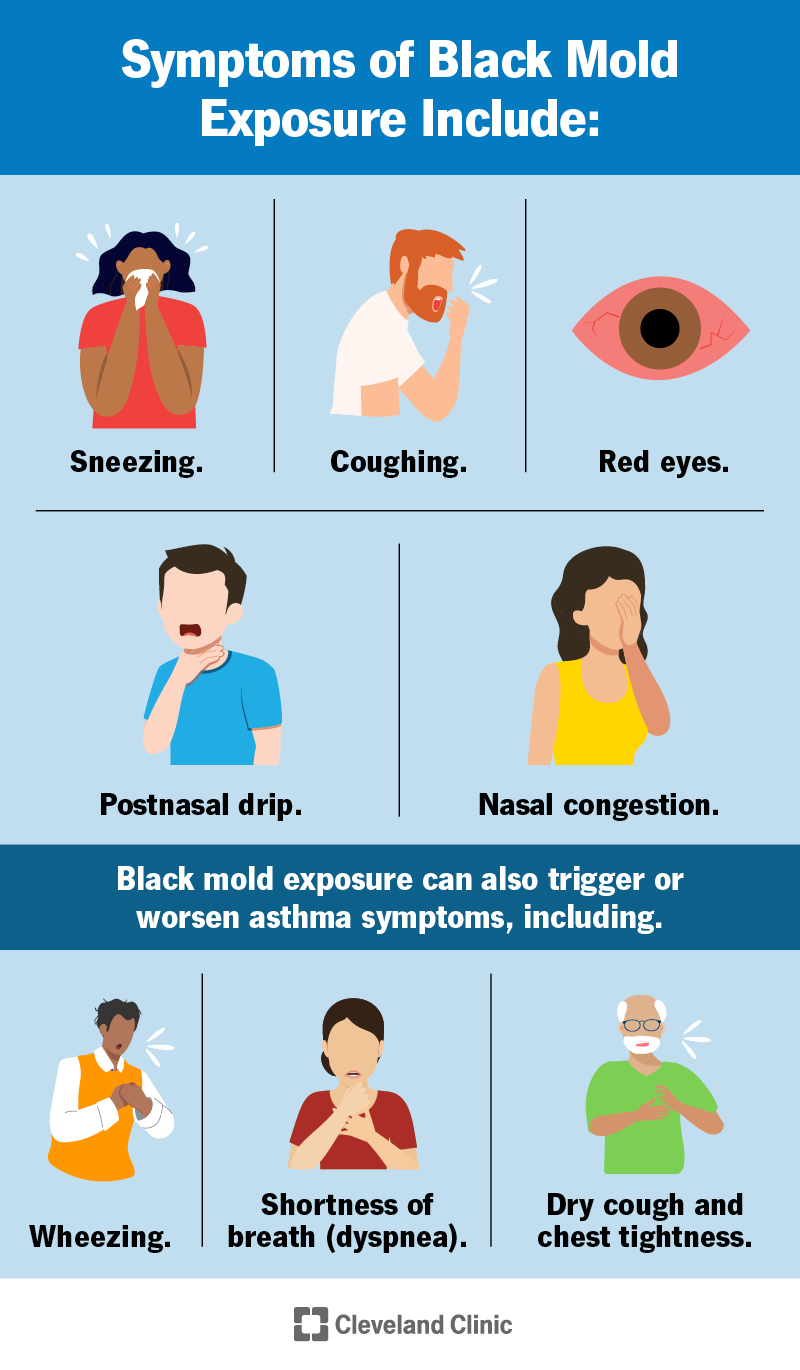
Rockledge homeowners frequently report symptoms such as:
- Sneezing or nasal congestion
- Coughing or throat irritation
- Watery, itchy, or red eyes
- Headaches or sinus pressure
- Skin irritation or rashes
- Fatigue or brain fog
A key pattern: symptoms worsen at home and improve when away.
Mold and Respiratory Health
Asthma & Mold
Mold spores are a known trigger for asthma symptoms. Exposure can:
- Increase wheezing and shortness of breath
- Trigger asthma attacks
- Make asthma harder to control indoors
Children with asthma are especially sensitive to indoor mold growth.
Allergies & Chronic Sinus Issues
Mold exposure can cause or worsen:
- Chronic sinus infections
- Persistent post-nasal drip
- Ongoing allergy symptoms that don’t respond to medication
Even people without known allergies can develop sensitivities after prolonged exposure.
Who Is Most at Risk in Rockledge Homes?
While mold can affect anyone, certain groups are more vulnerable:
- Infants and young children
- Older adults
- People with asthma, COPD, or allergies
- Individuals with weakened immune systems
For these groups, even moderate mold exposure can lead to noticeable health problems.
“Toxic Mold” and Health: Separating Fact From Fear
You may hear alarming stories online about “toxic mold.” Here’s what matters:
- Some molds can produce mycotoxins, but not all mold does
- Mold color does not determine health risk
- Severe illness from household mold is rare in healthy individuals
That said, any ongoing indoor mold growth is unhealthy and should be addressed — especially when symptoms are present.
The real risk comes from:
- Long-term exposure
- Hidden mold growth
- Poor ventilation
- Unresolved moisture issues
Signs Mold May Be Affecting Your Health
Health symptoms alone don’t confirm mold — but patterns do.
Red Flags Rockledge Homeowners Should Watch For
- Symptoms worsen indoors and ease when leaving
- Multiple household members affected
- Musty odors in living spaces
- Mold returning after cleaning
- Recent water damage or leaks
When these signs align, a mold inspection is a smart next step.
Mold Inspection and Testing: Do They Help With Health Concerns?
Mold Inspection
- Identifies visible and hidden mold
- Locates moisture sources
- Uses moisture meters and thermal imaging
- Determines extent of contamination
Mold Testing
- Measures airborne spore levels
- Identifies mold types
- Helpful when symptoms are unexplained
👉 Inspection finds the cause. Testing provides supporting data.
Neither resolves mold — remediation does.
What to Do If Mold Is Affecting Your Health
1️⃣ Address Moisture Immediately
Mold cannot grow without moisture. Fix leaks, condensation, or drainage issues first.
2️⃣ Avoid Disturbing Mold
Scrubbing or spraying mold can release spores and worsen exposure.
3️⃣ Get a Professional Inspection
Especially important if symptoms persist or mold is hidden.
4️⃣ Proper Mold Remediation
Professional remediation may include:
- Containment to prevent spore spread
- HEPA air filtration
- Removal of contaminated materials
- Cleaning and treatment of affected areas
- Moisture correction to prevent recurrence
Why DIY Mold Cleanup Often Makes Health Issues Worse
DIY methods frequently:
- Miss hidden mold
- Spread spores into the air
- Fail to fix moisture problems
- Allow mold to return
Bleach does not penetrate porous materials like drywall or insulation and can add moisture.
Preventing Mold-Related Health Problems in Rockledge Homes
🌬 Control Indoor Humidity
- Keep indoor humidity between 30–50%
- Use dehumidifiers when needed
- Don’t turn AC off completely
💧 Fix Water Issues Quickly
- Repair roof and plumbing leaks immediately
- Clear AC drain lines
- Watch for condensation around vents
🛠 Maintain HVAC Systems
- Replace filters regularly
- Schedule routine maintenance
- Inspect air handlers for moisture
🕵️ Monitor After Storms
Mold often appears weeks after storms or water damage if moisture wasn’t fully resolved.
Why Early Action Matters
Ignoring mold-related health symptoms can lead to:
- Chronic respiratory irritation
- Ongoing sinus and allergy issues
- Larger remediation projects
- Reduced indoor air quality
Early inspection and remediation protect both health and home value.
Final Takeaways for Rockledge Homeowners
- Mold can cause real, ongoing health symptoms
- Respiratory and allergy issues are the most common effects
- Children, seniors, and sensitive individuals face higher risk
- Moisture control is the foundation of prevention
- Professional inspection and remediation provide long-term relief