

Mold Health Effects in Rockledge: What Homeowners in Brevard County Should Know
Concerns about mold and health often start quietly in homes around Rockledge. A musty odor that won’t fade. Rooms that feel heavier or more humid than the rest of the house. A sense that indoor air just isn’t as comfortable as it used to be. In Brevard County’s warm, humid climate, these concerns are common and understandable.
It’s important to approach the topic calmly and realistically. Mold is first and foremost a moisture and building condition issue. When moisture lingers, mold can grow, and when mold is present indoors, it can affect comfort and indoor air quality. Understanding how mold exposure is commonly experienced in homes, why Rockledge properties are especially vulnerable, and what steps actually make a difference helps homeowners respond thoughtfully instead of reacting out of fear.
Why Mold Health Concerns Come Up So Often in Rockledge
Rockledge homes are exposed to high humidity most of the year. Even when it hasn’t rained, moisture in the air slows drying and allows damp conditions to persist inside walls, ceilings, and HVAC systems.
Seasonal storms and heavy rain add to the problem. Wind-driven rain can enter through roofs, windows, and exterior openings without causing immediate, obvious damage. Moisture can become trapped inside building materials long before stains or visible mold appear.
Air conditioning systems, while essential, also contribute. AC units remove humidity, but clogged drain lines, overflowing pans, or duct condensation can introduce moisture into walls and ceilings. Slab foundations, common in Rockledge, can allow moisture to migrate upward after prolonged rainfall. All of these factors make moisture management a constant challenge.
How Mold Exposure Is Commonly Experienced in Homes
Mold affects people differently, and experiences vary from household to household. Many homeowners don’t notice anything at first. Others begin to feel that something about the indoor environment has changed.
Common experiences include persistent musty odors, air that feels stale or damp, and discomfort that seems more noticeable indoors than outdoors. Some people report that they feel better after spending time away from home, which often raises questions about indoor conditions.
These experiences are usually linked to moisture, ventilation, and overall air quality rather than a single visible mold patch. Mold often exists alongside elevated humidity and poor airflow, which together affect how a home feels.
Why Mold Can Influence Indoor Comfort
Mold grows in damp environments. When conditions are damp enough for mold to develop, they often affect comfort as well.
High humidity can make air feel heavy and prevent surfaces from drying properly. Mold growth can contribute to lingering odors that don’t go away with routine cleaning. In Rockledge homes, this is common in bathrooms, attics, HVAC systems, closets, and behind walls.
When air circulates through these areas, odors and moisture can spread throughout the home, making the entire house feel less comfortable even if mold isn’t visible.
Areas of the Home Most Often Linked to Concerns
Bathrooms are one of the most frequent problem areas. Steam from showers combined with weak or rarely used exhaust fans allows moisture to linger on ceilings and inside wall cavities.
HVAC systems are another major contributor. Mold can develop near air handlers, drain pans, coils, or inside ductwork where condensation is present. When the system runs, air passes through these areas and distributes moisture and odors.
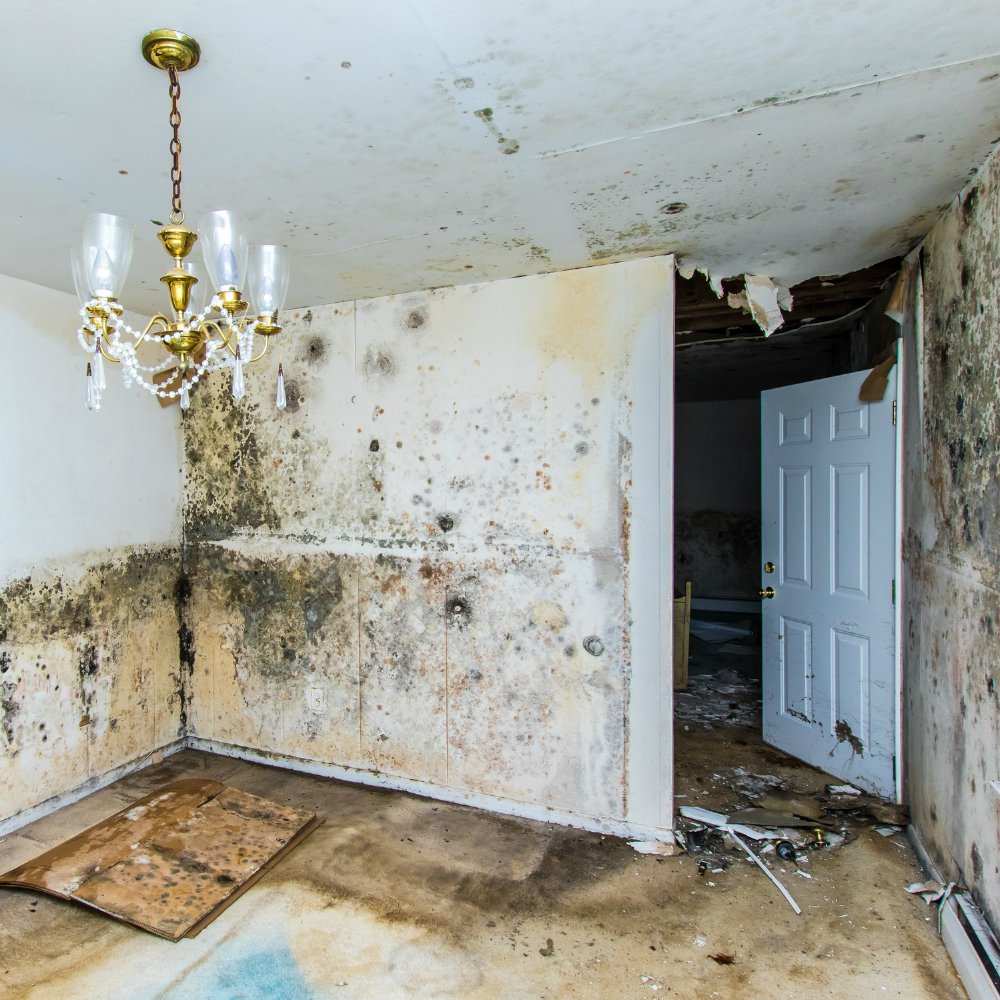
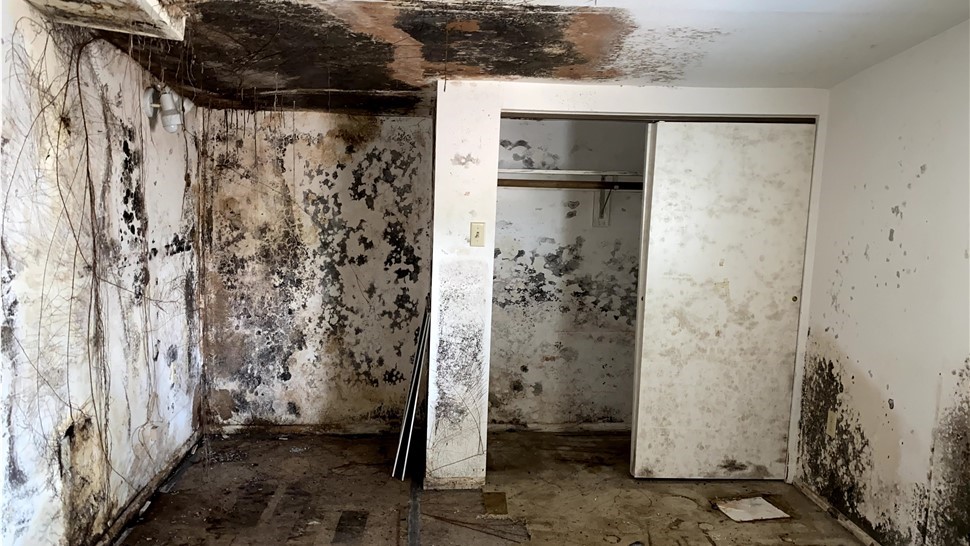
Hidden mold behind drywall or under flooring is also common after leaks or storms. Attics are frequently involved as well, especially when roof leaks go unnoticed or bathroom fans vent into attic spaces.
Why Health Questions Often Come Before Visible Mold
In many Rockledge homes, questions about mold arise before anything can be seen. That’s because mold often grows out of sight.
Odors, humidity changes, and general discomfort are usually the first signs that moisture is present. Visible mold often appears later, after conditions have existed long enough for growth to spread to surfaces homeowners can see.
This is why inspections often reveal more extensive issues than expected when homeowners finally look deeper.
The Role of Moisture in Mold-Related Concerns
Moisture is the root of all mold problems. Without moisture, mold cannot grow or persist.
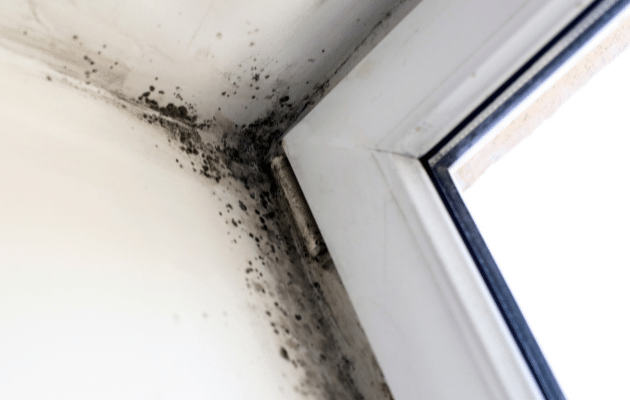
Common moisture sources in Rockledge homes include roof leaks, plumbing leaks, AC condensation, window intrusion, poor ventilation, and elevated indoor humidity. Even without an active leak, long-term humidity alone can be enough to support mold growth.
Addressing moisture is the most effective way to improve indoor conditions and reduce mold-related concerns.
Why DIY Cleaning Rarely Improves Indoor Conditions
Many homeowners try to clean visible mold with bleach or household cleaners. While this may improve appearance, it often does little to improve how the home feels.
Bleach does not penetrate porous materials like drywall or wood, so mold can remain active beneath the surface. Scrubbing without containment can also release spores into the air and spread them through HVAC systems.
If moisture conditions remain unchanged, mold and related odors usually return. Cleaning alone is not a solution.
Professional Mold Inspection for Health-Related Concerns
A professional mold inspection focuses on understanding moisture conditions and identifying where mold may be growing, especially in hidden areas.
Inspections typically include bathrooms, HVAC systems, attics, wall cavities, and areas with past water damage. Moisture meters and thermal imaging tools help locate damp materials that don’t look wet.
When appropriate, air or surface sampling may be used to better understand indoor conditions or provide documentation. Testing supports decisions but does not replace identifying moisture sources.
A proper inspection helps replace uncertainty with clear information.
How Mold Remediation Can Improve Indoor Conditions
Mold remediation addresses both mold growth and the moisture that allowed it to develop. Containment is used to prevent spores from spreading during removal.
Mold-affected materials may be cleaned or removed depending on severity. Just as important, moisture sources are corrected to stabilize the environment.
After proper remediation, homeowners often notice reduced odors, improved comfort, and more consistent indoor humidity. The home simply feels better to live in.
Preventing Mold-Related Issues Going Forward
Prevention starts with moisture management. Bathroom and kitchen exhaust fans should be used consistently and vented outdoors.
HVAC systems should be maintained to ensure proper drainage and airflow. Drain lines and pans should be kept clear, and ductwork properly insulated.
Sealing windows, doors, and exterior penetrations helps limit humid air intrusion. After storms, attics and ceilings should be checked even if no damage is immediately visible.
Monitoring indoor humidity provides early warning before problems develop.
Why Local Experience in Brevard County Matters
Mold concerns in Brevard County are shaped by coastal humidity, storms, slab foundations, and local building practices. Advice that works in dry climates often doesn’t apply here.
Local experience means understanding how Rockledge homes behave in this environment and where moisture and mold are most likely to develop. It also means knowing which solutions actually work long-term in Florida conditions.
A Calm, Practical Takeaway
Mold health concerns are common in Rockledge, and asking questions is reasonable. The key is focusing on moisture and building conditions rather than jumping to conclusions.
If your home smells musty, feels damp, or has a history of water issues, understanding what’s happening behind the walls is the most productive step. A professional inspection can provide clarity and direction without pressure.
Homeowners across Brevard County benefit from early assessment and moisture control. Brevard Mold Inspections & Removal helps homeowners identify mold conditions, understand underlying moisture issues, and take practical steps to restore comfort and stability to their homes.