
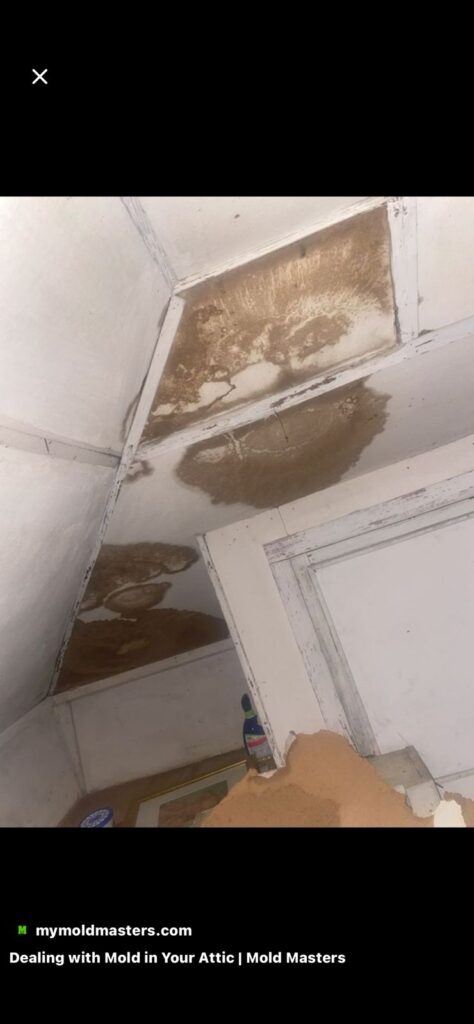
Mold in Attics in Cocoa Beach: What Homeowners in Brevard County Should KnowMold in Attics in Cocoa Beach: What Homeowners in Brevard County Should KnowAttics are one of the most common places for mold to grow in homes across Cocoa Beach and Brevard County. Because they’re rarely visited, attic mold often spreads quietly for months—or even years—before homeowners realize there’s a problem. By the time ceiling stains or musty odors appear inside the living space, the mold issue is usually well established.In a coastal area like Cocoa Beach, attic mold is especially common due to humidity, salt air, storms, and ventilation challenges. Understanding how attic mold forms, where it hides, and how to prevent it can protect your home’s structure and indoor air quality.⸻Why Attic Mold Is So Common in Cocoa Beach HomesCocoa Beach homes face unique conditions that make attics a prime mold environment: • High coastal humidity year-round • Salt air that holds moisture • Frequent rain and tropical storms • Hot attic temperatures • Warm, moist air rising from living spaces • Improper attic ventilationWhen moisture enters the attic and can’t escape, condensation forms on cooler surfaces like roof decking and framing—creating ideal conditions for mold growth.⸻How Moisture Gets Into AtticsMany homeowners assume attic mold means a roof leak. While leaks are a factor, most attic mold starts from inside the home.Common Moisture Sources • Bathroom exhaust fans venting into the attic • Disconnected or crushed fan ducts • Moist air leaking through attic access openings • Gaps around ceiling fixtures and recessed lighting • Poorly sealed HVAC ductwork • AC condensation issues • Roof leaks around vents, flashing, or skylightsEven everyday activities like showering and cooking can send moisture upward into the attic.⸻Where Mold Typically Grows in AtticsAttic mold usually appears in predictable locations.High-Risk Attic Areas • Roof decking and sheathing • Wooden trusses and rafters • Around attic vents • Near bathroom exhaust fan ducts • Around roof penetrations • On insulation near air leaksMold often looks like dark staining, spotting, or fuzzy growth on wood surfaces.⸻Early Warning Signs Homeowners Often MissBecause attics are out of sight, mold problems usually show up elsewhere first.Inside-the-Home Clues • Ceiling stains or discoloration • Peeling paint near ceiling corners • Dark lines where walls meet ceilings • Warped drywall or nail popsOdor & Air Clues • Musty smells, especially upstairs • Odors that worsen during humid weather • Stale or heavy indoor airHealth Clues • Increased allergies indoors • Sinus congestion or coughing • Headaches or throat irritationIf symptoms improve when you leave the house, attic mold could be contributing.⸻Bathroom Fans: A Major Cause of Attic MoldOne of the leading causes of attic mold in Cocoa Beach homes is improperly vented bathroom exhaust fans.Common problems include: • Fans venting directly into the attic • Ducts that don’t reach exterior vents • Loose or disconnected fan hoses • Fans too weak for the bathroom sizeEach shower releases warm, humid air. When that air enters the attic instead of venting outside, moisture settles on wood surfaces and fuels mold growth.⸻Attic Ventilation and Mold GrowthProper ventilation allows heat and moisture to escape the attic.When ventilation is inadequate: • Humid air becomes trapped • Condensation forms on roof decking • Mold growth accelerates • Roof lifespan may be reducedBlocked soffit vents, insufficient ridge vents, and poor airflow balance all increase mold risk.⸻Mold on Attic InsulationInsulation can hide serious mold problems.Warning signs include: • Damp or compressed insulation • Darkened or discolored patches • Musty smells when insulation is disturbedOnce insulation is mold-contaminated, replacement is often necessary. Cleaning insulation rarely solves the problem and can spread spores.⸻Why DIY Attic Mold Cleanup Is RiskyAttic mold cleanup is not a simple DIY task.Common mistakes include: • Scrubbing mold without containment • Using bleach on porous wood • Disturbing mold and spreading spores • Ignoring moisture sources • Entering attics without proper protective gearSpores released during DIY attempts can travel through air leaks and HVAC systems into living spaces.⸻What a Professional Attic Mold Inspection Looks ForA proper inspection focuses on cause, extent, and prevention.Professionals typically assess: • Mold patterns on wood and insulation • Moisture levels in attic materials • Bathroom fan venting paths • Attic ventilation performance • Air leaks from living spaces • Roof penetrations and flashingThe goal is to stop mold at its source—not just remove what’s visible.⸻Attic Mold Remediation: What It InvolvesEffective attic mold remediation addresses both mold and moisture.Typical steps include: 1. Containment to prevent spore spread 2. HEPA air filtration 3. Removal or treatment of mold-affected materials 4. Cleaning and antimicrobial application 5. Correcting ventilation or moisture issues 6. Replacing damaged insulation if neededSkipping moisture control almost guarantees mold will return.⸻Preventing Attic Mold in Cocoa Beach HomesPrevention is far less expensive than remediation.Key Prevention Steps • Ensure bathroom fans vent outdoors • Seal attic access openings and ceiling gaps • Maintain proper attic ventilation • Repair roof leaks immediately • Keep indoor humidity below 50% • Schedule periodic attic inspectionsHomes with good airflow and sealed air barriers are far less likely to develop attic mold.⸻When to Call a ProfessionalProfessional help is recommended if: • Mold is visible on attic wood or insulation • Musty odors persist indoors • Your home has had roof leaks or storm damage • Bathroom fans vent into the attic • Mold returns after cleaning • Health symptoms worsen indoorsEarly action prevents widespread damage and costly repairs.⸻Why Attic Mold Should Never Be IgnoredIgnoring attic mold can lead to: • Structural wood damage • Reduced energy efficiency • Poor indoor air quality • Health concerns • Lower home valueAttic mold doesn’t stay isolated—it eventually affects the rest of the home.⸻Final Thoughts for Cocoa Beach HomeownersIn Cocoa Beach, attic mold is common—but it’s also preventable. Most attic mold problems come down to moisture control, ventilation, and sealing air leaks from the living space below.If your attic hasn’t been inspected in years, or your home has experienced leaks, storms, or humidity issues, taking a closer look can save significant time and expense later. Early detection protects your home, your health, and your investment.