Mold in Attics in Cocoa Beach: What Homeowners in Brevard County Should Know
In Cocoa Beach, attic mold is far more common than many homeowners realize. Because attics aren’t living spaces, problems there often go unnoticed until staining appears on ceilings, musty odors drift through the home, or an inspection reveals widespread growth. Along the coast, humidity, salt air, storms, and attic heat combine to create ideal mold conditions—even in homes that feel dry and well maintained.
Attic mold in Brevard County is rarely about cleanliness. It’s almost always about how moisture moves, where warm air escapes, and how ventilation performs in a hot, humid coastal environment. Understanding why attic mold develops in Cocoa Beach homes helps homeowners address the root causes and avoid repeat problems.
Why Attic Mold Is So Common in Cocoa Beach
Cocoa Beach sits directly on the Atlantic, which means moisture is a constant presence. Attics experience extreme temperature swings, limited airflow, and frequent exposure to storm-related moisture.
Local conditions that increase attic mold risk include:
- High coastal humidity year-round
- Salt air degrading roof materials and seals
- Wind-driven rain during storms
- Long cooling seasons with heavy AC use
- Hot attic temperatures that trap moisture
- Homes kept sealed and air-conditioned most of the year
When warm, moist air enters the attic and can’t escape efficiently, mold has the opportunity it needs to grow.
How Attic Mold Develops
Attic mold doesn’t usually start with a dramatic roof failure. In many Cocoa Beach homes, it develops slowly from everyday conditions.
A typical pattern looks like this:
- Warm, humid air rises from the living space
- Moist air escapes into the attic through small gaps
- Attic ventilation struggles to remove moisture
- Surfaces dry unevenly while humidity remains high
- Mold begins growing on wood, insulation, or roof decking
Because attics are rarely inspected, mold can spread extensively before it’s discovered.
Common Sources of Moisture in Attics
Several moisture sources contribute to attic mold in Cocoa Beach homes.
Frequent contributors include:
- Bathroom exhaust fans venting into the attic
- Kitchen or laundry ventilation issues
- Air leaks around attic hatches and recessed lights
- Minor roof leaks after storms
- High outdoor humidity entering through vents
- Wet insulation from past moisture events
Often, multiple small moisture sources combine to create a larger problem.
Bathroom Fans and Attic Mold
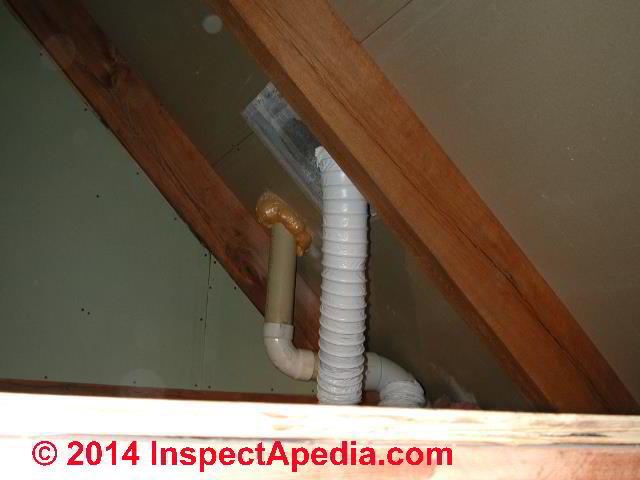
Improperly vented bathroom fans are one of the most common causes of attic mold.
Problems occur when:
- Fans vent directly into the attic
- Ducting is disconnected or crushed
- Moist air leaks around fan housings
- Fans aren’t used long enough
Each shower sends warm, moisture-laden air upward—right where mold thrives if it isn’t expelled outdoors.
Roof Leaks and Storm Exposure
Cocoa Beach homes face frequent storms, and even minor roof issues can allow moisture into the attic.
Attic mold can develop after:
- Wind-driven rain entering small roof gaps
- Damaged flashing around vents or chimneys
- Aging roof materials affected by salt air
Because leaks may dry quickly on the surface, moisture inside attic materials can go unnoticed.
Attic Heat and Humidity Traps
Attics in Cocoa Beach can reach extreme temperatures. Heat alone doesn’t cause mold, but it makes moisture problems worse.
Heat contributes to:
- Increased condensation when temperatures shift
- Slower drying of wet materials
- Higher humidity retention
When attic ventilation isn’t sufficient, heat and moisture remain trapped together.
Where Mold Is Commonly Found in Attics
Attic mold rarely appears in just one spot.
Common locations include:
- Roof decking
- Rafters and trusses
- Insulation surfaces
- Around roof penetrations
- Near bathroom fan outlets
- On sheathing near vents
Mold often appears as dark staining or fuzzy growth on wood surfaces.
Why Attic Mold Often Goes Unnoticed
Attic mold can exist for months—or even years—without obvious signs.
Reasons include:
- Attics aren’t regularly accessed
- Mold growth may be above insulation
- Odors may be subtle at first
- Growth doesn’t always drip or stain ceilings
By the time homeowners notice symptoms, mold may already be widespread.
Signs Attic Mold May Be Affecting the Home
Some clues suggest attic mold may be influencing indoor conditions.
Watch for:
- Musty odors in upper rooms
- Odors stronger when AC runs
- Ceiling discoloration or staining
- Mold appearing near ceiling vents
- Increased humidity indoors
These signs often point upward—to attic conditions.
Why DIY Attic Mold Cleanup Is Risky
Attic mold cleanup is especially risky without proper knowledge and containment.
DIY risks include:
- Disturbing mold and releasing spores into living spaces
- Falling through ceilings or damaging insulation
- Incomplete removal of contaminated materials
- Failing to correct moisture sources
In humid coastal environments, partial cleanup often leads to mold returning.
The Role of a Professional Attic Mold Inspection
A professional inspection focuses on why moisture is present in the attic, not just visible mold.
An attic inspection may include:
- Evaluating ventilation performance
- Identifying air leaks from living spaces
- Checking fan venting and ducting
- Inspecting roof decking for moisture intrusion
- Measuring humidity and moisture levels
This helps determine whether mold remediation is needed and how to prevent recurrence.
Brevard Mold Inspections & Removal works with Cocoa Beach homeowners to assess attic mold conditions carefully, identify moisture pathways, and recommend practical solutions based on local coastal conditions.
Mold Testing and Attic Mold
Mold testing isn’t always necessary for attic mold, but it can help when:
- Mold is suspected but not visible from below
- Odors persist without a clear source
- Confirmation is needed after remediation
- HVAC or air movement concerns exist
Testing is most effective when guided by inspection findings.
Proper Mold Remediation for Attics
Effective attic mold remediation focuses on removal and moisture control.
A proper approach may include:
- Containment to prevent spore spread
- Removal or treatment of contaminated materials
- Correcting ventilation and air leakage issues
- Addressing roof or fan-related moisture sources
- Thorough drying and humidity management
Skipping ventilation or air-sealing corrections often leads to mold returning.
Preventing Attic Mold in Cocoa Beach Homes
Prevention depends on consistent moisture and airflow management.
Helpful prevention steps include:
- Ensuring bathroom fans vent outdoors
- Sealing air leaks at attic penetrations
- Maintaining proper attic ventilation
- Inspecting roofs after storms
- Monitoring attic conditions periodically
Small adjustments can prevent long-term problems.
Newer Homes and Attic Mold
Even newer Cocoa Beach homes can experience attic mold.
Reasons include:
- Tighter construction trapping moisture
- Reduced natural airflow
- Heavy reliance on mechanical ventilation
Newer homes may hide attic moisture longer before signs appear.
Why Local Cocoa Beach Experience Matters
Attic mold behaves differently in coastal Florida than in dry climates. Cocoa Beach homes face challenges tied to salt air, storms, humidity, and long cooling seasons.
Local professionals understand:
- How coastal moisture enters attics
- How ventilation performs in beachside homes
- How quickly attic materials dry—or don’t
Local knowledge leads to more accurate assessments and lasting solutions.
A Calm, Practical Takeaway for Homeowners
Mold in attics in Cocoa Beach is common—but it’s manageable when addressed correctly. Most attic mold problems develop slowly from moisture and airflow issues, not from neglect or extreme events.
If your home has musty odors, ceiling discoloration, or hasn’t had its attic inspected in years, a professional evaluation can provide clarity. Understanding how moisture behaves in your attic is the most effective way to protect your home and maintain comfort in Brevard County’s coastal environment.