
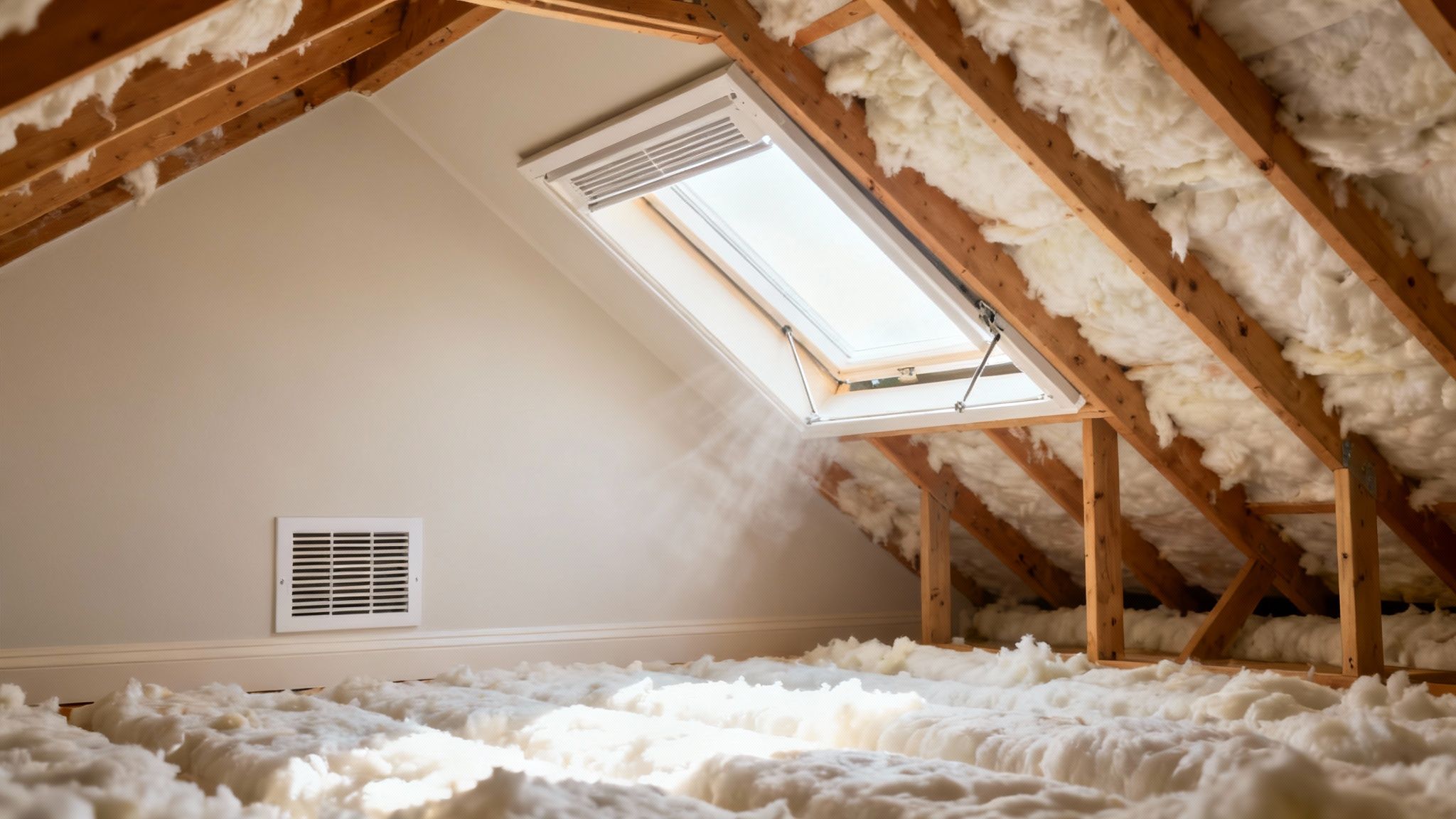
Mold in Attics in Cocoa Beach: What Homeowners in Brevard County Should Know
Living in Cocoa Beach offers ocean breezes, beautiful coastal scenery, and easy access to everything Brevard County has to offer. But coastal living also brings constant humidity, storms, and moisture challenges — and one of the most overlooked places mold develops is the attic.
Many homeowners rarely enter their attic, so mold problems can grow quietly for months or even years before anyone notices. Often the first signs appear elsewhere in the home, such as musty smells or ceiling stains, long before mold is discovered overhead.
Across Cocoa Beach, Merritt Island, Rockledge, Melbourne, Palm Bay, Titusville, Viera, Satellite Beach, and Cape Canaveral, attic mold is one of the most common issues uncovered during home inspections. Understanding why mold grows in attics and how to prevent it helps homeowners avoid costly damage and indoor air concerns.
Why Attics Are Vulnerable to Mold Growth
Attics experience extreme conditions in Florida homes. During summer, attic temperatures can climb well above outdoor temperatures, and moisture can easily become trapped if ventilation is poor.
Mold needs only a few elements to grow:
• Moisture
• Warm temperatures
• Organic materials like wood or dust
Attics provide all three when moisture enters or humidity remains trapped.
In Cocoa Beach homes, attic mold commonly develops due to:
• Roof leaks after storms
• Wind-driven rain entering through vents
• Poor attic ventilation
• AC duct condensation
• Bathroom or kitchen fans venting into attics
• High humidity buildup
Once moisture remains long enough, mold begins growing on roof decking, trusses, and insulation surfaces.
Why Attic Mold Is Common in Brevard County
Brevard County’s climate creates perfect conditions for attic moisture problems.
Coastal Humidity
Ocean air keeps humidity levels elevated year-round, making it harder for attic spaces to dry naturally.
Hurricanes and Storms
Storm systems frequently impact Cocoa Beach and nearby communities. Even small roof damage can allow moisture into attic spaces.
Attic Heat
Florida attics become extremely hot, creating condensation when cooler air meets humid air, especially around ductwork.
Heavy Rainfall
Frequent rain events increase moisture exposure and make roof leaks more likely.
Air Conditioning Dependence
Ductwork running through hot attics often sweats if insulation is insufficient, creating moisture buildup.
Even newer homes in Viera or Palm Bay can develop attic mold if ventilation or insulation issues exist.
Signs Mold May Be Growing in Your Attic
Because homeowners rarely enter attics, signs often appear elsewhere first.
Common warning signs include:
• Musty smells inside the home
• Ceiling stains or discoloration
• Peeling paint near ceiling areas
• Increased indoor humidity
• AC ducts sweating or dripping
• Mold discovered during home inspections
Sometimes homeowners discover attic mold during roofing repairs or insulation upgrades.
By the time mold becomes visible inside the home, attic contamination may already be widespread.
Common Hidden Causes of Attic Mold
Attic mold often results from moisture sources homeowners don’t realize are connected to the attic.
Roof Leaks
Small leaks after storms allow water to drip onto insulation and wood surfaces, creating mold conditions.
Poor Ventilation
Attics need balanced airflow to remove heat and moisture. Blocked or insufficient vents trap humid air.
Exhaust Fans Venting Into Attics
Bathroom or kitchen fans sometimes discharge moist air directly into attics instead of outdoors.
Duct Condensation
Cold AC ducts in hot attics produce condensation when insulation is inadequate.
Improper Insulation Installation
Blocked vents or compressed insulation reduce airflow and increase moisture retention.
Professional inspections frequently reveal multiple moisture sources contributing to mold growth.
Why Ignoring Attic Mold Can Cause Bigger Problems
Because mold grows out of sight, homeowners sometimes delay action. However, attic mold can spread and cause additional damage over time.
Ignoring attic mold can lead to:
• Structural wood damage
• Insulation contamination
• Increased indoor humidity
• Musty odors entering living spaces
• Reduced indoor comfort
Mold spores can also circulate through HVAC systems, affecting air quality throughout the home.
Addressing problems early helps avoid larger repair costs.
Why DIY Cleanup Often Doesn’t Solve Attic Mold
Some homeowners attempt to clean attic mold themselves, but attic remediation requires careful handling.
Common DIY mistakes include:
• Spraying bleach or chemicals on mold
• Cleaning visible mold without fixing moisture sources
• Entering contaminated attics without protection
• Failing to correct ventilation problems
• Spreading spores during cleaning
Bleach does not fully eliminate mold in porous wood materials, and mold will return if moisture remains.
Proper remediation requires addressing both contamination and moisture causes.
How Professional Mold Inspection Helps
Professional inspections determine how far mold has spread and identify moisture sources causing growth.
Inspections typically include:
Visual Examination
Inspectors evaluate roof decking, trusses, insulation, and ventilation systems.
Moisture Detection
Tools help identify hidden moisture within attic materials.
Ventilation Assessment
Professionals evaluate airflow and vent balance.
Air or Surface Sampling (If Needed)
Testing helps determine whether mold levels are elevated inside the home.
Companies like Brevard Mold Inspections & Removal frequently inspect Cocoa Beach homes after storms to detect attic moisture problems early.
How Mold Remediation Works in Attics
When mold contamination is widespread, remediation may be necessary.
Professional attic remediation usually includes:
Containment Setup
Work areas are sealed to prevent spores from spreading into living spaces.
Air Filtration
HEPA filtration systems capture airborne spores during cleanup.
Removal of Contaminated Materials
Heavily affected insulation or materials may be removed.
Cleaning Structural Wood
Remaining wood surfaces are cleaned and treated safely.
Moisture Correction
Roof or ventilation problems are corrected.
Final Cleaning
Remaining spores and debris are removed.
Proper remediation ensures mold does not quickly return.
How Homeowners Can Prevent Attic Mold
Preventing attic mold mainly involves moisture control and ventilation improvements.
Helpful prevention steps include:
• Inspect roofs after storms
• Ensure attic vents remain clear
• Maintain proper attic insulation
• Vent bathroom and kitchen fans outdoors
• Inspect ducts for condensation
• Repair leaks immediately
• Schedule periodic attic inspections
• Monitor indoor humidity levels
Homeowners across Cocoa Beach and Satellite Beach often inspect attics annually due to coastal exposure.
Why Local Experience Matters
Mold problems in Brevard County homes are shaped by Florida’s coastal climate and building styles.
Homes in Cocoa Beach, Merritt Island, Melbourne, Palm Bay, and nearby communities commonly experience:
• Coastal humidity exposure
• Hurricane-related roof intrusion
• Attic heat and condensation issues
• Slab foundation moisture retention
• Heavy AC usage
Local professionals understand how moisture behaves in area homes and where attic mold problems tend to develop.
Brevard Mold Inspections & Removal helps homeowners throughout Brevard County identify attic mold issues and correct moisture sources before major repairs become necessary.
A Calm Next Step for Cocoa Beach Homeowners
If your home has experienced roof leaks, storms, or persistent humidity issues — or if you’ve noticed musty smells or ceiling stains — a professional attic inspection can help determine whether mold is present.
Most attic mold problems remain manageable when discovered early. Proper moisture control and remediation restore attic conditions and help prevent future growth.
If concerns arise, professional guidance helps homeowners understand what’s happening overhead and what steps may be needed next.
Addressing moisture early helps protect both your home and long-term comfort.