Mold in Attics in Cocoa Beach: What Homeowners in Brevard County Should Know
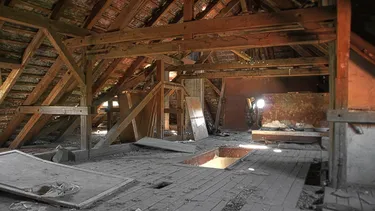
Attic mold is a common but often overlooked issue in Cocoa Beach homes. Because attics aren’t part of daily living space, moisture problems can develop quietly for months before anyone notices. In Brevard County’s coastal climate—where humidity, salt air, and storms are part of everyday life—attics are especially vulnerable to mold growth.
Understanding why attic mold happens, how to spot early warning signs, and what actually prevents it can help Cocoa Beach homeowners protect their homes and avoid ongoing problems.
Why Attics Are Prone to Mold in Coastal Florida
Attics sit where heat and humidity collide. In Florida, attic temperatures soar while humid air enters through vents, roof gaps, or poorly sealed ductwork. When warm, moist air meets cooler surfaces like roof sheathing, condensation forms.
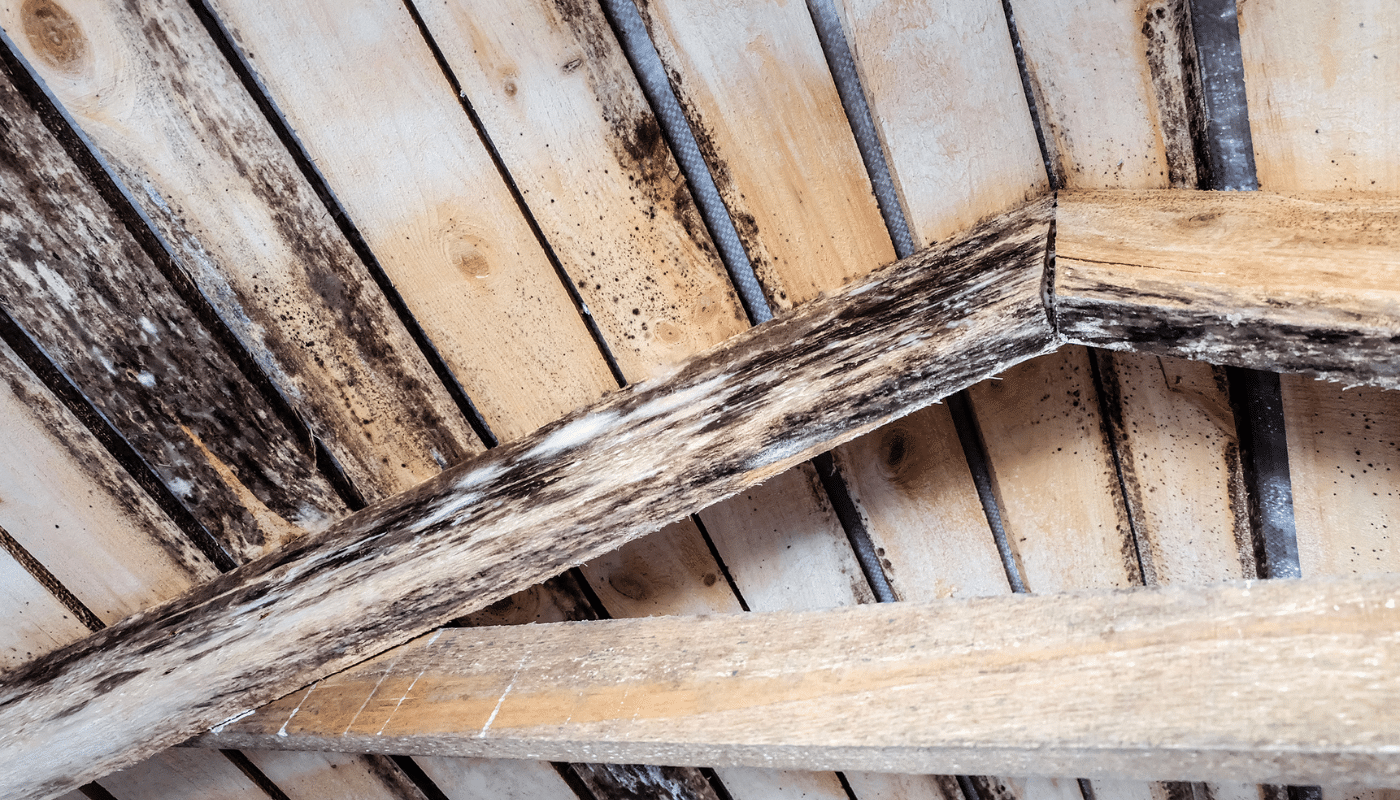
Wood framing, roof decking, and insulation absorb moisture easily. If that moisture doesn’t dry out quickly—and it often doesn’t in Cocoa Beach—mold can begin growing even without obvious leaks or flooding.
Attic mold is usually a ventilation and moisture issue, not a housekeeping problem.
Why Mold in Attics Is Common in Cocoa Beach
Cocoa Beach homes face unique coastal challenges that increase attic mold risk:
- Constant high humidity from ocean air
- Wind-driven rain entering roof assemblies
- Salt air accelerating wear on roofing materials and seals
- Year-round AC use affecting airflow and pressure
- Bathroom fans venting into attics instead of outside
- Duct leaks releasing cool air into hot attic spaces
Even newer homes can develop attic mold if ventilation and airflow aren’t balanced properly.
Early Signs of Attic Mold Homeowners May Miss
Because attic mold is out of sight, homeowners often notice indirect clues first.
Common warning signs include:
- Musty odors inside the home
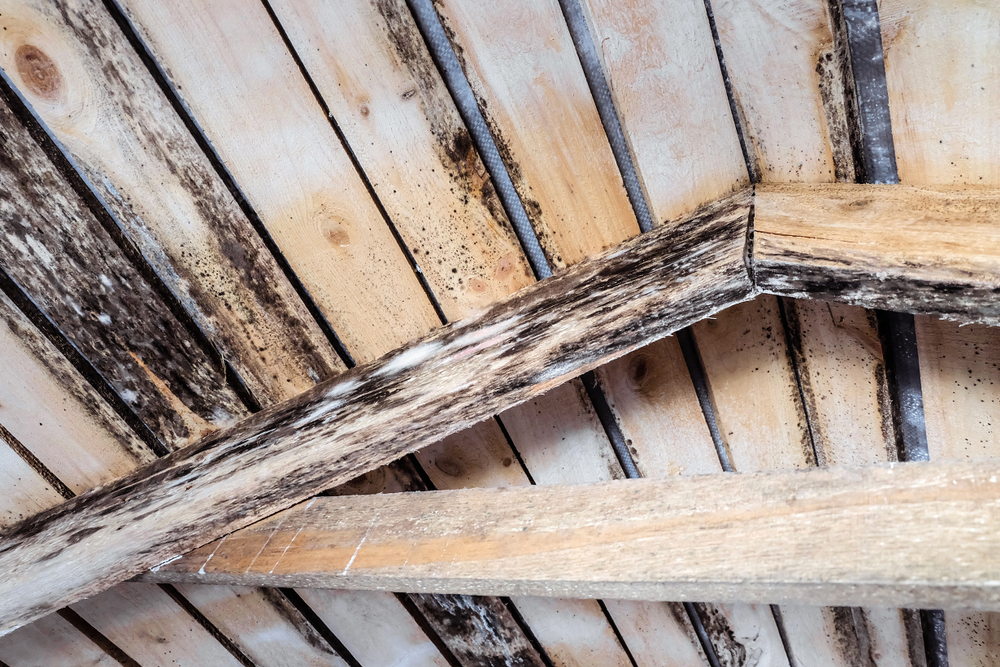
- Dark staining on attic wood or insulation
- Rust on nails, fasteners, or HVAC components
- Increased indoor humidity
- Uneven cooling or AC struggling to keep up
Many homeowners only discover attic mold during roof repairs, HVAC servicing, or a professional inspection.
Hidden Causes of Attic Moisture
Not all attic mold comes from roof leaks. In fact, many Cocoa Beach cases are caused by everyday airflow and ventilation problems.
Common hidden causes include:
- Bathroom or kitchen exhaust fans venting into the attic
- Poorly sealed attic access hatches
- Leaky AC ducts sweating in humid conditions
- Insufficient or blocked attic ventilation
- Warm indoor air rising into the attic due to insulation gaps
Over time, repeated moisture exposure creates the perfect environment for mold.
How Attic Mold Affects the Rest of the Home
Attic mold doesn’t always stay contained. Air movement between the attic and living space can carry mold spores and damp air into the home through ceiling penetrations, ductwork, or recessed lighting.
Homeowners may notice persistent odors, reduced indoor comfort, or humidity problems even when the AC is running. Over time, moisture can also weaken roof decking and framing materials.
Left unaddressed, attic mold can affect both comfort and structural components.
Common Myths About Attic Mold
There are several misconceptions about attic mold that often delay proper action.
One myth is that attic mold only affects older homes. In reality, newer homes in Cocoa Beach can be just as vulnerable due to tight construction and ventilation imbalances.
Another myth is that spraying mold with bleach solves the problem. Surface treatments don’t address moisture sources or mold embedded in porous materials like wood or insulation.
Attic mold problems are always moisture problems first.
Why DIY Attic Mold Cleanup Is Risky
Attempting to clean attic mold without proper assessment can make things worse. Disturbing mold growth can release spores into the air and spread contamination into living spaces.
DIY efforts often miss hidden moisture sources, allowing mold to return. Walking on attic insulation can compress it, reducing effectiveness and worsening moisture issues.
Without proper containment and moisture correction, attic mold usually comes back.
Professional Mold Inspection for Attic Issues
A professional mold inspection evaluates attic ventilation, moisture levels, insulation condition, and airflow patterns. Inspectors look for staining, condensation points, duct leaks, and exhaust fan issues.
Moisture detection tools help identify damp areas that aren’t visible. When appropriate, limited sampling may help clarify indoor conditions, but the main focus is identifying why moisture is present.
Local experts like Brevard Mold Inspections & Removal understand Cocoa Beach roofing styles, coastal exposure, and common attic moisture issues throughout Brevard County homes.
Proper Mold Removal and Remediation in Attics
Effective attic remediation starts by correcting the moisture source. This may include redirecting exhaust fans outdoors, sealing duct leaks, improving ventilation, or repairing roof issues.
Containment is used during removal to prevent spores from spreading. Affected materials may be cleaned or replaced depending on severity. Insulation may need evaluation if it has absorbed moisture.
Once moisture is controlled, the attic environment becomes far more stable and resistant to future mold growth.
Preventing Attic Mold in Cocoa Beach Homes
Homeowners can reduce attic mold risk by staying proactive:
- Ensure bathroom and kitchen fans vent outside
- Seal attic access doors and ceiling penetrations
- Schedule regular HVAC inspections
- Check attic insulation and ventilation balance
- Inspect attics after heavy rain or storms
- Address roof and flashing issues promptly
Routine attic checks—especially during humid seasons—help catch problems early.
Why Local Brevard County Experience Matters
Attic mold behaves differently in coastal Florida than in cooler or drier regions. High humidity, salt air, and constant AC use create unique challenges.
Homes in Cocoa Beach face different conditions than inland areas like Viera or Palm Bay. Local experience ensures inspections and solutions are based on real Brevard County conditions, not generic assumptions.
A Calm, Informed Path Forward
Attic mold can feel overwhelming, especially when it’s discovered unexpectedly. The good news is that most attic mold issues in Cocoa Beach can be resolved with proper moisture control and targeted remediation.
Understanding why mold forms, recognizing early signs, and working with experienced local professionals helps homeowners protect their property and maintain comfortable indoor conditions—without fear or unnecessary disruption.
Images for This Article