Mold in Attics in Cocoa Beach: What Homeowners in Brevard County Should Know
Attic mold is a common but often overlooked problem in Cocoa Beach and throughout Brevard County. Because attics aren’t living spaces, mold growth can go unnoticed for months or even years. By the time homeowners discover it, the issue is often tied to long-term moisture problems rather than a single event.
In coastal areas like Cocoa Beach, attic mold is especially common due to humidity, salt air, storm exposure, and ventilation challenges. Understanding why mold develops in attics, how it spreads, and what to do about it can help protect your home and avoid costly surprises.
What Attic Mold Is and Why It Matters
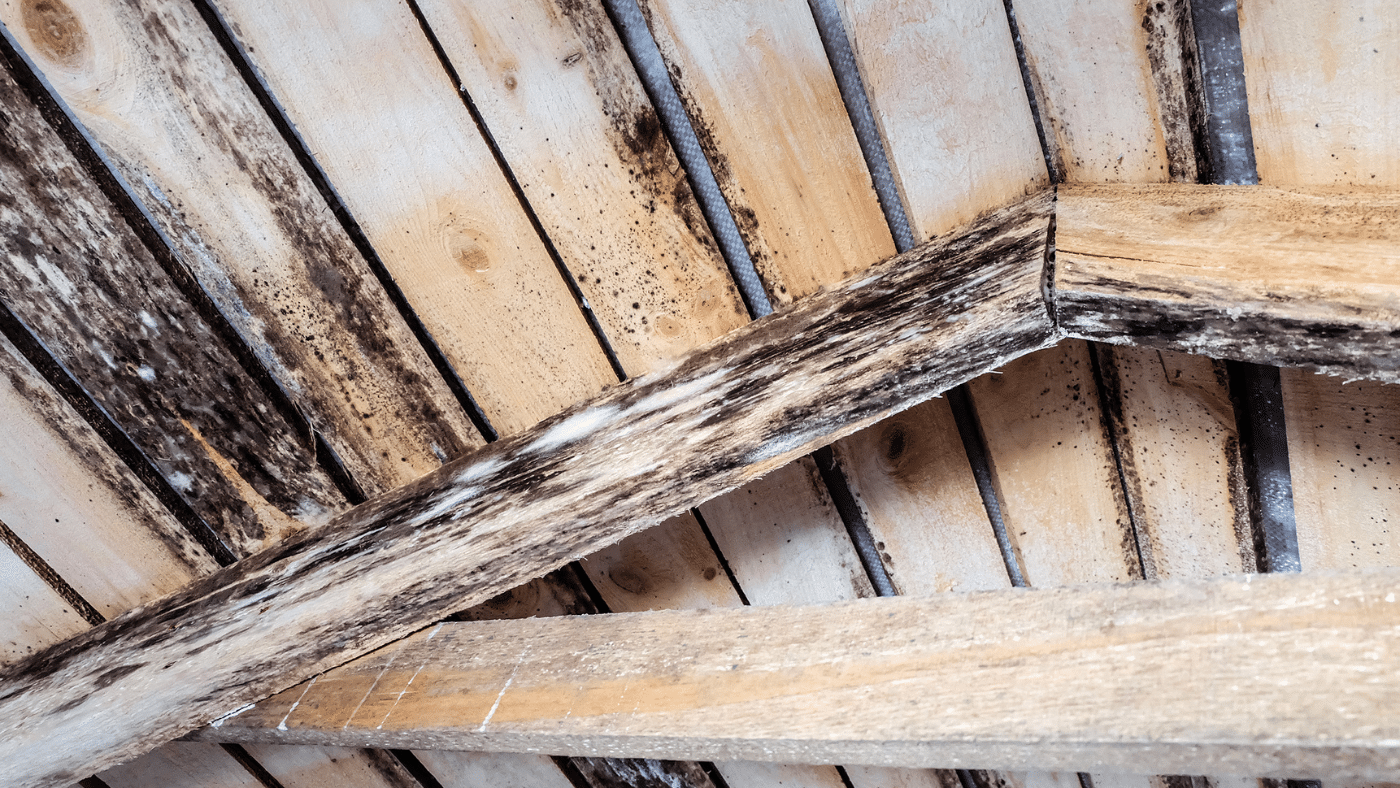
Mold in attics usually grows on wood framing, roof decking, insulation, or stored materials. Unlike bathroom or kitchen mold, attic mold is rarely caused by direct water use. Instead, it’s typically the result of moisture buildup, poor ventilation, or past roof issues.
Attics are sensitive spaces. When mold grows there, it can affect indoor air quality, damage structural components, and signal underlying moisture problems that may also impact other parts of the home.
In Cocoa Beach homes, attic mold is often discovered during roof repairs, home inspections, or after storm-related damage.
Why Attic Mold Is Common in Cocoa Beach
Cocoa Beach’s coastal environment creates ideal conditions for attic mold growth. High humidity, warm temperatures, and frequent storms all contribute to moisture accumulation in attic spaces.
Salt air from the Atlantic increases moisture levels, even inland from the shoreline. During much of the year, warm, humid outdoor air meets cooler surfaces inside the attic, leading to condensation on wood and roof decking.
Storms and hurricanes can introduce wind-driven rain through roof vents, soffits, or minor roof damage. Even small leaks that don’t reach living spaces can create enough moisture in the attic to support mold growth.
Homes throughout Cape Canaveral, Satellite Beach, and Merritt Island face similar risks, especially when attic ventilation is inadequate or insulation is improperly installed.
Common Signs of Mold in Attics
Because attics aren’t visited often, mold growth may not be obvious right away. Homeowners often notice indirect signs before seeing mold directly.
Common signs include:
- Musty odors coming from ceiling areas or closets
- Dark staining or discoloration on attic wood
- Increased indoor humidity
- Rust on attic nails or fasteners
- Insulation that appears damp or compressed
Sometimes attic mold is only discovered during a home sale inspection or roofing project, catching homeowners off guard.
Hidden Causes of Attic Mold
Attic mold rarely has a single cause. In Cocoa Beach homes, multiple factors often combine to create the problem.
Poor attic ventilation is one of the most common contributors. When warm, moist air can’t escape, humidity builds up inside the attic. Bathroom or kitchen exhaust fans that vent into the attic instead of outdoors add even more moisture.
Air leaks from the living space below can also play a role. Warm, humid indoor air can rise into the attic through gaps around light fixtures, attic hatches, or ductwork. Over time, this moisture condenses on cooler attic surfaces.
Past roof leaks — even ones that were repaired — may have left residual moisture in attic materials. Homes in Rockledge, Melbourne, and inland Brevard County often show similar patterns.
Why DIY Cleanup or Ignoring Attic Mold Is Risky
Some homeowners attempt to clean attic mold themselves using sprays or surface treatments. While this may improve appearance temporarily, it often fails to address the underlying moisture problem.
Scrubbing or spraying without containment can spread mold spores throughout the attic and into the home. Surface treatments don’t correct ventilation issues, air leaks, or insulation problems that allow mold to return.
Ignoring attic mold entirely allows it to continue affecting wood structures and insulation. Over time, this can lead to more extensive remediation needs and higher repair costs.
How Professional Attic Mold Inspection Works
A professional attic mold inspection focuses on identifying both mold growth and the conditions that allowed it to develop.
A proper inspection may include:
- Visual examination of attic framing and roof decking
- Moisture readings in wood and insulation
- Evaluation of attic ventilation systems
- Inspection of exhaust fan routing
- Thermal imaging to detect temperature and moisture patterns
Air or surface sampling may be used when appropriate to better understand the situation. Lab analysis supports informed decisions rather than creating alarm.
Homeowners across Brevard County often work with Brevard Mold Inspections & Removal for calm, detailed attic assessments grounded in local experience.
Proper Mold Removal and Remediation in Attics
Effective attic mold remediation starts by correcting moisture and airflow issues. Without addressing these root causes, mold is likely to return.
A proper remediation approach typically includes:
- Containing affected attic areas
- Safely removing or treating mold-affected materials
- Cleaning exposed wood surfaces when appropriate
- Improving ventilation and sealing air leaks
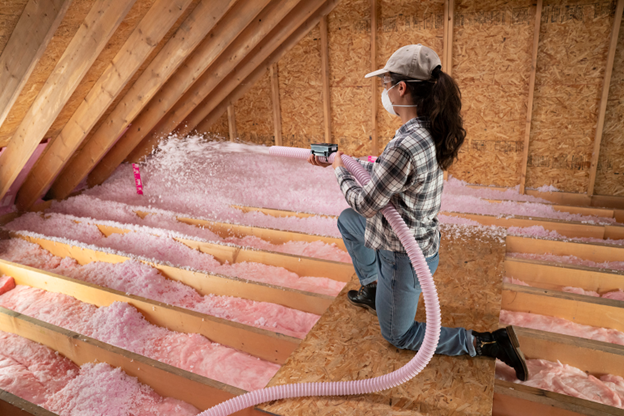
- Ensuring insulation is properly installed and dry
In Florida homes, remediation plans must account for constant humidity, storm exposure, and local construction practices.
Preventing Attic Mold in Cocoa Beach Homes
Prevention focuses on controlling moisture and maintaining proper airflow in the attic.
Helpful prevention steps include:
- Ensuring attic ventilation meets current standards
- Venting bathroom and kitchen fans outdoors
- Sealing air leaks between living spaces and attic
- Inspecting roofs and flashing after storms
- Monitoring attic conditions periodically
After hurricanes or severe storms, attic inspections can help catch moisture issues early.
Why Local Brevard County Experience Matters
Attic mold in coastal Florida behaves differently than in other regions. Cocoa Beach homes face constant humidity, salt air exposure, and storm-driven moisture that require local knowledge to manage effectively.
Older beachside homes differ from newer construction in Palm Bay or Viera. Roofing materials, ventilation designs, and insulation methods vary widely across Brevard County. Local experience helps ensure inspections and remediation strategies are practical and effective.
A Calm, Practical Next Step
If you suspect mold in your attic or have experienced roof leaks or storm damage, a professional inspection can provide clarity without pressure. Understanding the cause is the key to long-term solutions.
Brevard Mold Inspections & Removal works with homeowners in Cocoa Beach and across Brevard County to provide inspections, testing, and guidance focused on protecting homes and preventing future mold issues.
Images: Mold in Attics (Florida Homes)