
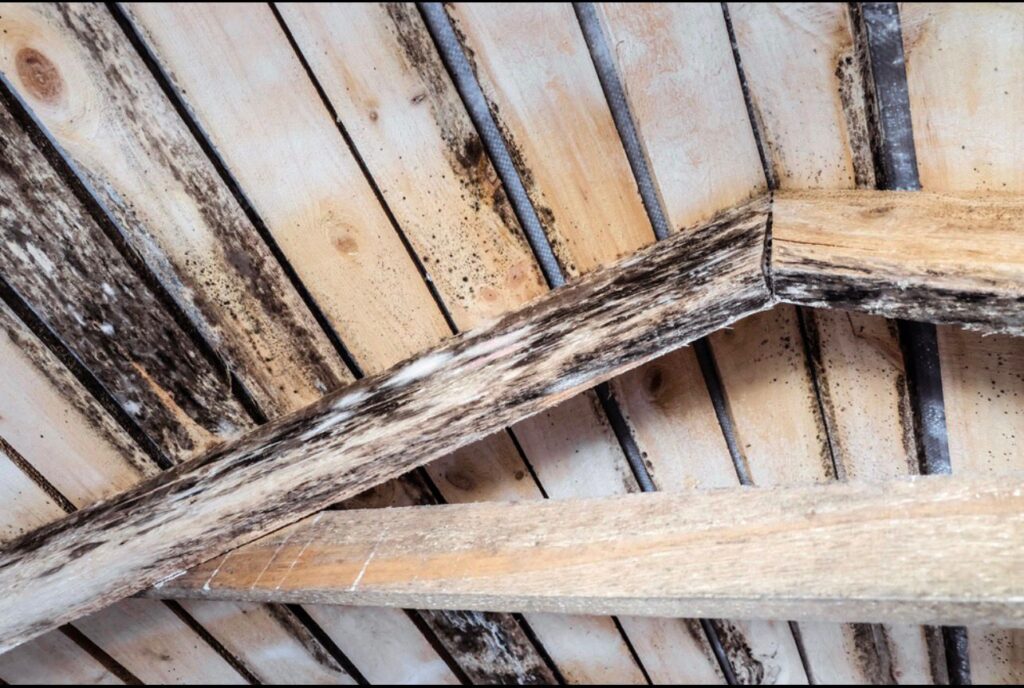
Mold in Attics in Viera: What Homeowners in Brevard County Should Know
If you live in Viera, your attic probably isn’t a space you visit often. It’s hot, dusty, and usually out of sight. But in Brevard County, attics are one of the most common places for mold to develop — and many homeowners don’t realize there’s an issue until it’s well established.
Between Florida’s year-round humidity, heavy summer rain, hurricane season, and constant air conditioning use, attic environments in Viera, Melbourne, and Rockledge can become moisture traps. And once moisture lingers, mold can follow.
Understanding how attic mold forms, what signs to look for, and how it’s properly handled can help protect both your home’s structure and long-term value.
Why Attics in Brevard County Are So Vulnerable
Attics in Florida face unique conditions that homeowners in drier climates don’t experience.
In Viera and throughout Brevard County, several factors contribute:
High outdoor humidity
Even when it’s sunny, Florida air carries significant moisture. That humid air enters attics through vents.
Extreme attic heat
Attics in Palm Bay and Titusville can exceed 120°F during summer. When temperatures drop at night, condensation can form on roof sheathing.
Storm exposure
Wind-driven rain during hurricane season can push moisture into roof decking and ventilation openings.
Improper ventilation
Blocked soffit vents or inadequate ridge vents prevent moisture from escaping.
AC system interactions
Ductwork running through attics can sweat if insulation is compromised.
When warm, moist air meets cooler surfaces inside the attic, condensation forms. That thin layer of moisture on wood sheathing or rafters creates ideal mold conditions.
How Mold Develops in Attics
Mold doesn’t need standing water. It needs:
- Moisture
- Organic material (like wood)
- Time
Attics provide all three.
In Viera homes, mold often forms on:
- Roof sheathing
- Rafters
- Trusses
- Around roof penetrations
- Near bathroom exhaust vents
- Around recessed lighting openings
One common issue in Brevard County homes is bathroom exhaust fans venting improperly into the attic rather than outside. That warm, humid air accumulates quickly and leads to localized mold growth.
Even newer homes in Viera can experience attic mold if ventilation isn’t balanced correctly.
Signs You May Have Attic Mold
Because attics are rarely inspected, signs usually show up elsewhere first.
Homeowners in Melbourne and Satellite Beach may notice:
- A musty odor in upper floors
- Dark staining on ceiling drywall
- Increased indoor humidity
- Warped ceiling paint
- Visible dark spots on roof decking during inspection
Sometimes attic mold is discovered during a real estate transaction or roofing replacement.
If your home has experienced a recent roof leak or storm damage, an attic check is especially important.
Why Viera Homes Face Specific Risks
Viera’s mix of newer construction and established neighborhoods creates unique moisture patterns.
Newer, energy-efficient homes
These homes are tightly sealed, which is good for energy savings but can trap humidity if ventilation systems aren’t properly balanced.
Slab foundation homes
Common throughout Brevard County, these homes rely heavily on attic ventilation for overall moisture regulation.
Hurricane season exposure
Even minor roof shingle damage during storms can allow moisture into roof decking.
Heavy AC usage
Ductwork in attics can sweat when insulation is thin or damaged.
Even small ventilation imbalances can create long-term moisture issues.
Why Ignoring Attic Mold Is Risky
Attic mold doesn’t typically cause immediate structural failure, but over time it can:
- Weaken roof sheathing
- Affect insulation performance
- Increase indoor humidity
- Contribute to persistent odors
- Complicate home sales
The longer moisture remains uncontrolled, the more widespread the growth can become.
Addressing attic mold early keeps repairs focused and manageable.
Why DIY Cleaning Isn’t Enough
It’s common for homeowners to attempt surface cleaning after spotting attic mold.
However, this approach often fails because:
- The underlying moisture source remains
- Ventilation issues aren’t corrected
- Condensation patterns continue
- Insulation problems are ignored
Spraying bleach or surface treatments without addressing airflow or moisture imbalance usually leads to recurrence.
The key isn’t just cleaning — it’s correcting the attic environment.
What a Professional Attic Mold Inspection Includes
When homeowners in Viera suspect attic mold, a structured inspection provides clarity.
At Brevard Mold Inspections & Removal, attic inspections typically include:
Visual Assessment
Examining roof decking, rafters, trusses, insulation, and ventilation pathways.
Moisture Meter Testing
Measuring moisture levels in wood framing.
Ventilation Evaluation
Assessing soffit vents, ridge vents, and airflow balance.
Thermal Imaging
Identifying areas where condensation patterns may be occurring.
Mold Testing (When Needed)
Air or surface samples may be collected for laboratory analysis in real estate or complex cases.
Testing isn’t always necessary, but documentation can be helpful in certain situations.
The purpose is to determine both the presence of mold and the reason it developed.
Proper Mold Remediation in Attics
If mold is confirmed, remediation focuses on moisture correction first.
The process may include:
- Repairing roof leaks
- Correcting ventilation imbalances
- Redirecting bathroom exhaust vents outdoors
- Cleaning affected wood framing
- Removing compromised insulation
- Improving airflow
- Confirming moisture levels return to normal
Containment may be used to prevent spore movement into living areas during cleanup.
Effective remediation creates a stable, dry attic environment.
Preventing Attic Mold in Brevard County
Prevention in Florida requires routine maintenance.
Homeowners in Viera can:
- Inspect roofs annually
- Check attic ventilation pathways
- Ensure bathroom fans vent outside
- Maintain proper insulation levels
- Service AC systems regularly
- Inspect attic after major storms
- Monitor indoor humidity (ideal range 45–55%)
In coastal communities like Cocoa Beach and Cape Canaveral, salt exposure can shorten roofing material lifespan, making regular inspections even more important.
Moisture management should be ongoing.
Older vs. Newer Homes and Attic Mold
Older homes in Titusville or Cocoa may lack proper ventilation systems.
Newer homes in Viera or Palm Bay may be tightly sealed but under-ventilated.
Both scenarios can create condensation patterns that support mold growth.
Understanding how your home was built helps determine the right prevention strategy.
Why Local Expertise Matters
Attic mold in Brevard County behaves differently than in cooler climates.
Viera homes face:
- Year-round humidity
- High attic heat
- Hurricane exposure
- Coastal moisture influence
- Constant AC usage
A local inspection company understands how these environmental factors interact with Florida construction styles.
Brevard Mold Inspections & Removal evaluates attic mold with Brevard County’s specific climate conditions in mind, helping homeowners make informed, calm decisions.
A Practical Next Step
If you suspect attic mold — or haven’t inspected your attic in several years — a professional evaluation can provide clarity.
An inspection can:
- Confirm whether mold is present
- Identify moisture sources
- Evaluate ventilation
- Provide clear next steps
Often, attic mold issues are manageable when caught early. Addressing ventilation or minor roof concerns can prevent larger repairs down the road.
In Brevard County’s humid climate, attic spaces deserve attention.
With proper inspection, moisture control, and local expertise, mold in Viera attics can be addressed effectively — protecting both your home’s structure and long-term value.