
Mold in Attics in Viera: What Homeowners in Brevard County Should Know
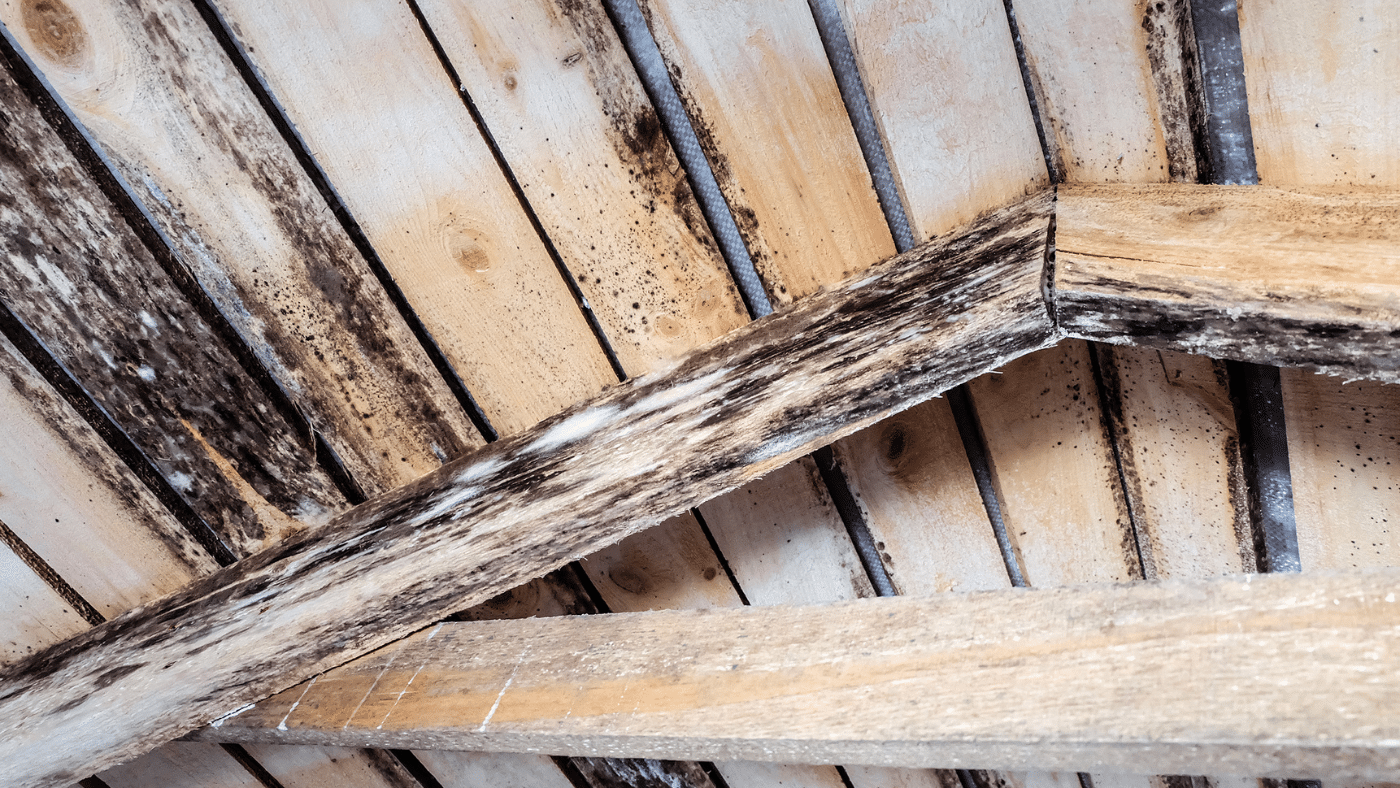
Attics are easy to forget about. Most homeowners in Viera rarely go up there unless something goes wrong, and that’s exactly why attic mold becomes a problem. Heat, humidity, and poor airflow can create ideal conditions for mold growth long before anyone notices.
I’ve inspected attics that looked normal from the access hatch but revealed widespread mold across roof decking once we got inside. Ever notice how some homes develop a faint musty smell upstairs before anywhere else? Attic moisture often explains that.
Let’s look at why mold develops in attics and what homeowners in Brevard County should know.
Why Attics Are Prone to Mold
Attics experience extreme temperature swings and often hold humid air. Warm air rises naturally, carrying moisture from kitchens, bathrooms, and living areas into the attic space.
Common causes of attic mold include:
- High humidity
- Poor ventilation
- Roof leaks
- Exhaust fans venting into attics
Rhetorical question time: if humid air rises every day, where does it go when ventilation is poor? It stays trapped in the attic.
Trapped moisture creates the perfect environment for mold.
How Condensation Leads to Mold
Condensation forms when warm, humid air meets cooler roof surfaces. Over time, even small amounts of condensation can keep wood and insulation damp.
This can lead to:
- Mold on roof decking
- Damp insulation
- Odors entering living spaces
IMO, condensation causes more attic mold than roof leaks in many Florida homes.
Condensation often goes unnoticed until mold appears.
Early Signs of Attic Mold
Homeowners rarely see attic mold directly, so warning signs often appear elsewhere first.
Watch for:
- Musty odors, especially upstairs
- Stains near ceiling corners
- Warm, humid air in upper rooms
These signs often indicate moisture conditions that allow mold to grow.
FYI, odors often appear long before visible mold becomes obvious.
How Ventilation Prevents Mold
Proper attic ventilation helps remove humid air and regulate temperature. Without airflow, moisture accumulates and drying slows.
Ventilation problems often include:
- Blocked soffit vents
- Insufficient ridge or roof vents
- Insulation covering airflow paths
Ever notice how some attics feel extremely hot and damp at the same time? That’s a ventilation issue.
Airflow makes a bigger difference than most homeowners expect.
Roof Leaks and Minor Water Intrusion
Roof leaks also contribute to attic mold, even when leaks are small enough not to stain ceilings immediately.
Signs of roof-related moisture include:
- Dark spots on roof decking
- Damp insulation
- Rusted nail heads
Small leaks often continue unnoticed for long periods, allowing mold to develop slowly.
Moisture that lingers becomes mold sooner or later.
How Attic Mold Affects Indoor Air Quality
Air moves between attics and living spaces through small openings and ductwork. Mold spores can enter indoor air, especially when HVAC ducts run through attics.
Possible effects include:
- Musty odors indoors
- Air feeling stale or heavy
- Mold appearing in upper rooms
Ever wonder why some homes smell musty upstairs first? Attic conditions often explain that pattern.
Air moves more than people realize.
The Importance of Mold Inspection
Mold inspection helps identify:
- Moisture sources
- Ventilation problems
- Hidden mold growth
Moisture meters and thermal imaging tools can detect damp materials that aren’t visible.
Mold testing may also help determine airborne mold levels when indoor air quality concerns arise.
Inspection identifies the cause. Testing measures the air.
Together, they provide clarity.
Mold Removal and Remediation in Attics
If mold is confirmed, remediation may include:
- Removing contaminated materials
- Cleaning structural surfaces
- Improving ventilation
- Correcting moisture sources
In some cases, insulation replacement may be necessary if contamination is extensive.
Correcting moisture always remains the most important step.
Without that, mold often returns.
Preventing Attic Mold in Viera Homes
Homeowners can reduce attic mold risk by:
- Ensuring attic ventilation works properly
- Repairing roof leaks promptly
- Using bathroom and kitchen exhaust fans correctly
- Monitoring indoor humidity
Exhaust fans should always vent outdoors, not into the attic.
Ever notice how steam from a shower rises quickly? That moisture needs a way out of the house.
Why Acting Early Saves Time and Money
One consistent lesson from inspections is that early action prevents larger problems.
When attic moisture problems are addressed early:
- Mold remains limited
- Repairs stay smaller
- Structural materials remain intact
Waiting allows mold to spread across larger areas of framing and insulation, increasing remediation costs.
Maintenance almost always costs less than restoration.
Final Thoughts
Mold in attics in Viera homes usually develops because of humidity, condensation, and ventilation problems rather than major leaks. Because attics remain out of sight, mold can grow unnoticed until odors or air quality issues appear indoors.
Understanding warning signs, maintaining ventilation, and inspecting attics periodically helps homeowners prevent small moisture problems from becoming major repair