
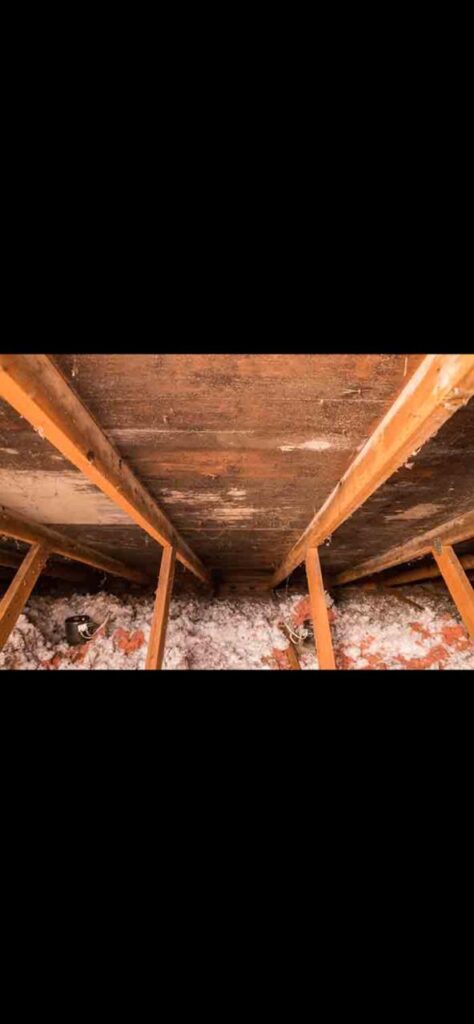
Mold in Attics in Viera: What Homeowners in Brevard County Should KnowAttic mold is a common and often hidden problem in homes across Viera and Brevard County. Because attics are out of sight, mold growth can go unnoticed for long periods, allowing moisture and damage to spread before homeowners realize there’s an issue. In Florida’s warm, humid climate, attic conditions can support mold growth year-round when ventilation or moisture control is inadequate.This guide explains why attic mold develops, where it usually forms, how it affects homes and indoor air quality, and what Viera homeowners should know to prevent long-term damage.⸻Why Attic Mold Is Common in Viera HomesAttics in Brevard County experience extreme temperature and moisture swings.Key contributing factors include: • High outdoor humidity • Warm air rising from living spaces • Poor attic ventilation • Roof leaks after storms • AC duct condensation • Bathroom and kitchen exhaust fans venting into attics • Improper insulation or air sealingWhen warm, moist air enters a cooler attic space, condensation can form on wood surfaces, creating ideal conditions for mold growth.⸻How Mold Develops in AtticsMold begins growing when moisture remains on attic materials long enough for spores to settle and multiply.Common moisture sources include: • Roof leaks from missing or damaged shingles • Wind-driven rain entering through roof penetrations • Condensation on roof decking • Poor airflow that traps warm, humid air • Bathroom exhaust fans venting into the attic instead of outdoors • Leaking or uninsulated HVAC ductwork • Gaps around attic access points allowing humid indoor air to escape upwardEven without visible water damage, repeated condensation events can support mold growth over time.⸻Where Attic Mold Typically GrowsAttic mold rarely spreads evenly. It usually appears in specific areas where moisture collects.Common locations include: • Roof sheathing and decking • Rafters and trusses • Around roof vents and penetrations • Near bathroom or kitchen exhaust ducts • On insulation surfaces • Around attic access openings • Near HVAC ducts and air handlers located in the atticMold on roof decking is one of the most frequent findings during attic inspections in Viera homes.⸻Signs of Mold in the AtticVisual Indicators • Dark staining on wood framing • Black, green, or gray patches on roof sheathing • Frost-like residue or spotting on wood • Damp or compressed insulation • Rusted nails or metal componentsOdors • Musty smells entering living spaces • Odors strongest on warm or humid days • Smells noticeable near ceiling vents or attic access pointsIndoor Clues • Increased allergy or respiratory symptoms • Discomfort when AC runs • Persistent humidity indoors despite coolingAttic mold can affect indoor air quality even when growth remains confined above ceilings.⸻Why Attic Mold Often Goes UndetectedHomeowners rarely enter their attics unless there is a known problem.Attic mold is often missed because: • Growth occurs above insulation • Mold spreads slowly and quietly • Staining may resemble dirt or aging wood • Odors are subtle at first • No visible water damage appears indoorsBy the time mold is discovered, moisture issues may have existed for years.⸻Health and Air Quality ConcernsAttic mold can impact indoor air quality when spores migrate into living spaces.Possible effects include: • Sneezing and nasal congestion • Coughing or wheezing • Sinus irritation • Headaches • Worsening asthma or allergies • Eye or throat irritationAir leakage between the attic and living space allows mold spores to circulate through the home.⸻Mold vs. Condensation in AtticsNot all attic moisture issues are the same.Condensation problems often: • Appear during temperature changes • Leave water droplets or damp wood • Occur near ventilation pointsMold problems: • Leave discoloration or fuzzy growth • Spread across wood surfaces • Persist even during dry weather • Return after cleaning if moisture remainsCondensation that is not corrected often leads to mold growth over time.⸻Can Attic Mold Be Removed DIY?Attic mold removal is rarely a good DIY project.DIY attempts are risky because: • Disturbing mold releases spores • Attics have limited ventilation • Mold often covers large surface areas • Moisture sources may be hidden • Improper cleaning does not prevent regrowth • Personal protective equipment is often inadequateScraping or spraying attic mold without addressing ventilation and moisture usually leads to recurrence.⸻What Professional Attic Mold Remediation InvolvesProper remediation focuses on both removal and prevention.A professional approach typically includes: • Full attic inspection • Identifying moisture and ventilation issues • Containment to prevent spore spread • HEPA air filtration • Cleaning or treating affected wood • Removing contaminated insulation if needed • Drying the attic environment • Improving ventilation or air sealing • Correcting exhaust fan and duct issuesAddressing airflow and moisture is essential to long-term success.⸻Is Mold Testing Necessary for Attic Mold?Testing is not always required.Testing may be useful when: • Mold is suspected but not visible • Odors persist without clear source • Documentation is needed for insurance or real estate • Health symptoms are unexplainedVisible attic mold generally justifies remediation without testing.⸻Insurance and Attic MoldCoverage depends on the cause.✔ Often covered if mold results from a sudden, accidental roof leak❌ Often denied if caused by long-term condensation or ventilation issuesDocumentation and timely repairs improve claim outcomes.⸻Preventing Mold in AtticsPrevention focuses on moisture control and airflow.Effective strategies include: • Ensuring bathroom and kitchen fans vent outdoors • Improving attic ventilation • Sealing attic access points • Repairing roof leaks promptly • Insulating HVAC ducts properly • Maintaining consistent indoor humidity • Keeping indoor humidity between 30–50% • Scheduling periodic attic inspectionsSmall airflow improvements can significantly reduce attic mold risk.⸻After Storms and Heavy RainStorms increase attic mold risk.After major weather events: • Inspect for roof leaks • Check attic insulation for dampness • Monitor odors indoors • Address ventilation problems immediatelyDelays allow moisture to remain trapped in attic spaces.⸻Why Early Action MattersUnchecked attic mold can lead to: • Structural wood damage • Insulation deterioration • Increased energy costs • Widespread indoor air quality issues • More extensive remediation • Higher repair expensesEarly intervention limits damage and reduces costs.⸻Final ThoughtsMold in attics is a common issue for homeowners in Viera and across Brevard County. Warm temperatures, high humidity, and ventilation problems make attics especially vulnerable to hidden mold growth.Routine inspections, proper ventilation, moisture control, and quick response to roof or airflow issues help prevent attic mold from becoming a serious problem. Addressing attic conditions protects both the structure of the home and the quality of the air inside it.