
Mold in Attics in Viera: What Homeowners in Brevard County Should Know
Attic mold is a common and often overlooked problem in Viera homes. Because attics are rarely visited, mold can grow undetected for long periods, quietly affecting insulation, roof decking, and indoor air quality. By the time homeowners notice a problem, mold may already be widespread.
In Brevard County communities like Viera, Rockledge, Melbourne, Cocoa, and Merritt Island, attic mold is strongly tied to Florida’s climate. High humidity, intense heat, heavy rain, and frequent air conditioning use create conditions where moisture easily becomes trapped in attic spaces. Understanding how attic mold forms, where it hides, and why it’s so common locally can help homeowners take action before damage escalates.
What Attic Mold Really Is
Attic mold develops when moisture accumulates in attic spaces and does not dry properly. Mold spores are always present in the air, but they only grow when moisture, organic material, and time come together.
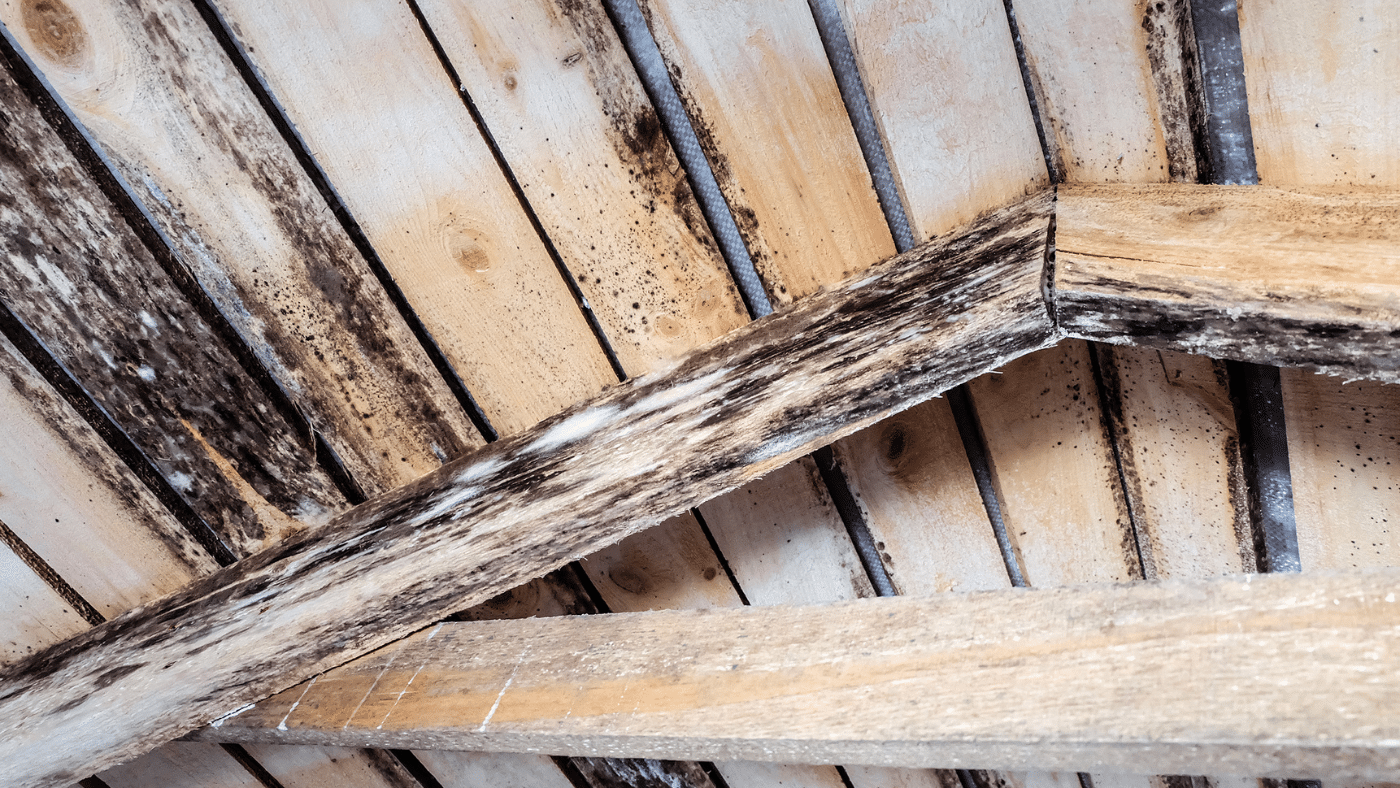
In attics, mold commonly grows on roof decking, trusses, insulation, and the tops of ceiling drywall. It often appears as dark staining or patchy growth on wood surfaces, though not all mold is immediately visible.
Many Viera homeowners are surprised to learn that attic mold can develop even when there is no obvious roof leak. Moisture problems alone are often enough to trigger growth.
Why Attic Mold Is So Common in Viera and Brevard County
Brevard County’s environment creates ideal conditions for attic mold. High humidity persists most of the year, and attic temperatures regularly soar. This combination causes warm, moist air to rise into attic spaces where it can condense on cooler surfaces.
In Viera, many homes rely heavily on air conditioning. Cool indoor air meeting hot attic air can create condensation around attic access points, ductwork, and insulation. Over time, this repeated moisture exposure leads to mold growth.
Storms and heavy rainfall also contribute. Wind-driven rain can enter through roof penetrations, vents, or flashing, even without obvious roof damage. After hurricanes or severe storms, attic moisture levels often remain elevated long after the weather clears.
Homes with inadequate attic ventilation are especially vulnerable. Without proper airflow, moisture becomes trapped, allowing mold to thrive.
Common Signs Homeowners Notice
Attic mold often goes unnoticed until secondary signs appear. One of the most common clues is a musty odor inside the home, particularly in upper-level rooms or near ceiling vents.
Some homeowners notice discoloration or staining on ceilings, peeling paint, or cracks forming near ceiling seams. In severe cases, insulation may appear compressed or damp when inspected.
Higher indoor humidity, especially on upper floors, can also point to attic moisture problems. These signs often indicate that the attic environment is affecting the rest of the home.
Where Mold Commonly Grows in Attics
Roof decking is one of the most common locations for attic mold. Condensation often forms on the underside of the roof sheathing, especially during cooler nights or after rain.
Insulation is another frequent problem area. When insulation becomes damp, it holds moisture against surrounding materials, creating ideal conditions for mold growth.
Ductwork running through the attic can also contribute. Poorly insulated ducts may sweat, dripping moisture onto insulation or drywall below. Around attic access panels, recessed lights, and bathroom vent terminations are also common trouble spots.
In Viera homes, these areas are often affected simultaneously, allowing mold to spread gradually throughout the attic.
Hidden Causes Homeowners Often Miss
Many attic mold issues are caused by factors that are easy to overlook. Bathroom exhaust fans venting into the attic instead of outdoors are a major contributor. Each shower sends warm, moist air directly into the attic, dramatically increasing humidity.
Improperly sealed attic access doors allow conditioned indoor air to escape into the attic, where it condenses. Blocked or insufficient soffit and ridge vents prevent proper airflow, trapping moisture inside.
Roof leaks, even small ones, can go unnoticed for long periods. In Florida’s climate, repeated moisture exposure from minor leaks is often enough to sustain mold growth without obvious water stains.
Why Ignoring Attic Mold Makes the Problem Worse
Because attic mold is out of sight, homeowners often delay addressing it. Unfortunately, attic mold rarely stays confined to one area.
Over time, mold can spread across roof decking, damage insulation, and affect structural wood components. Moisture and mold in the attic can also impact indoor air quality as air circulates through the home.
Ignoring attic mold can lead to higher energy bills, reduced insulation effectiveness, and more extensive remediation later. Early action typically results in simpler, more manageable solutions.
Professional Attic Mold Inspection Explained
A professional attic mold inspection focuses on identifying moisture sources and mold conditions throughout the attic. This includes visual inspection of roof decking, trusses, insulation, ductwork, and ventilation components.
Moisture detection tools help identify damp materials that may not appear wet to the eye. Inspectors also evaluate ventilation design, airflow patterns, and potential sources of moisture intrusion.
When appropriate, air or surface sampling may be used to better understand the extent of mold growth. Laboratory analysis provides objective information to guide remediation decisions.
A thorough inspection helps homeowners understand both the cause and scope of the problem.
Proper Mold Remediation for Attics
Effective attic mold remediation addresses both mold removal and moisture control. Containment may be used to prevent spores from spreading during cleaning or material removal.
Mold-affected materials are cleaned or removed based on severity. In some cases, damaged insulation must be replaced to restore proper performance.
Correcting moisture sources is critical. This may involve improving ventilation, sealing attic access points, repairing exhaust fan venting, or addressing roof issues.
In Florida homes, remediation must always account for ongoing humidity. Without proper moisture management, attic mold is likely to return. Brevard Mold Inspections & Removal approaches attic mold issues with a prevention-focused mindset, not just surface treatment.
Preventing Attic Mold Going Forward
Preventing attic mold in Viera starts with moisture control and ventilation. Attics should be properly ventilated to allow hot, moist air to escape.
Bathroom and kitchen exhaust fans must vent outdoors, not into the attic. Attic access doors should be sealed and insulated to prevent condensation.
Regular roof inspections help catch small leaks early. After major storms, attics should be checked for signs of moisture, even if no interior damage is visible.
Consistent maintenance helps keep attic conditions stable year-round.
Why Local Experience in Brevard County Matters
Attic mold in Brevard County is shaped by local climate, construction styles, and weather patterns. Homes in Viera face different challenges than homes in drier regions.
Local experience means understanding how Florida humidity, heat, storms, and building practices affect attic spaces. It also means knowing where attic mold commonly develops in local homes.
Professionals familiar with Brevard County conditions can identify issues that are easy to miss and recommend solutions that make sense for this climate.
A Calm, Practical Next Step
If you suspect attic mold or notice signs of moisture in your home, a professional inspection can provide clarity without pressure. Early identification helps prevent larger issues and protects your home’s structure.
Homeowners in Viera and throughout Brevard County benefit from working with experienced local professionals. Brevard Mold Inspections & Removal helps homeowners identify attic mold issues and take practical, responsible steps toward long-term solutions.
Addressing attic mold early helps protect your home, improve comfort, and avoid costly repairs down the road.