
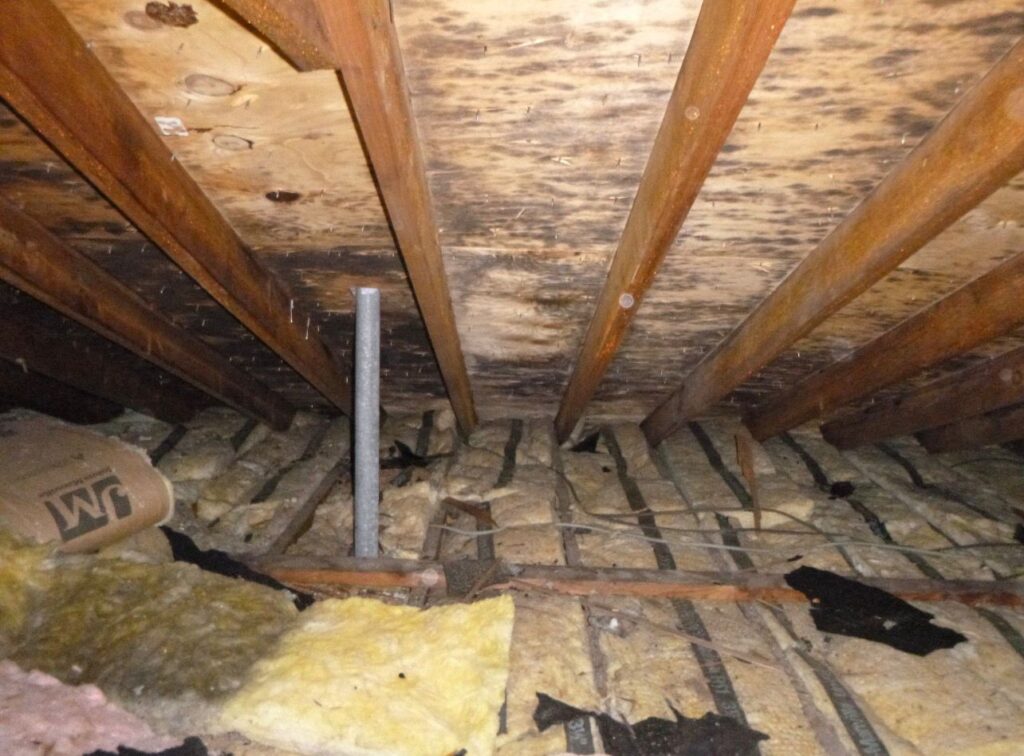
Mold in Attics in West Melbourne: What Homeowners in Brevard County Should Know
Mold in Attics in West Melbourne: What Homeowners in Brevard County Should KnowAttics are one of the most overlooked areas of the home when it comes to mold—especially in West Melbourne. High humidity, intense heat, and poor airflow can turn attics into prime breeding grounds for mold, even when the living areas below appear perfectly dry.Because attics are rarely visited, mold problems can grow unnoticed for months or even years, causing structural damage and affecting indoor air quality.⸻Why Attic Mold Is Common in West Melbourne HomesWest Melbourne’s climate creates tough conditions for attic spaces.Common contributors include: • Florida’s year-round humidity • Heat buildup in attic spaces • Poor or blocked attic ventilation • Roof leaks or flashing failures • Bathroom or kitchen vents exhausting into the attic • AC duct leaks or condensationAny source of moisture combined with trapped heat can quickly lead to mold growth.⸻Where Mold Grows in AtticsAttic mold often forms in areas that are out of sight.Common attic mold locations include: • Roof decking and rafters • Insulation surfaces • Around roof penetrations • Near HVAC ductwork • Around exhaust vent terminationsBecause mold blends in with wood and insulation, it’s easy to miss without proper inspection.⸻Signs of Mold in Your AtticHomeowners often notice indirect signs first.Warning signs include: • Musty odors coming from ceilings or vents • Discoloration on attic wood or insulation • Rusted nails or fasteners in the attic • Increased allergy symptoms indoors • Past roof leaks or water intrusionIf these signs are present, attic mold may already be established.⸻Health and Structural ConcernsAttic mold doesn’t stay confined to the attic.Potential issues include: • Mold spores entering living spaces through airflow • Reduced indoor air quality • Damage to roof decking and framing • Decreased energy efficiency • Costly repairs if left untreatedBecause warm air rises, attic mold spores can be pulled into the home through ceiling leaks and duct systems.⸻Why Attic Mold Is Often MisdiagnosedAttic mold is frequently mistaken for dirt, soot, or normal staining.Common mistakes include: • Assuming discoloration is just dust • Treating visible mold without addressing ventilation • Ignoring moisture sources • Skipping professional inspectionMisdiagnosis allows mold to continue spreading.⸻How Professionals Address Attic MoldProfessional remediation focuses on both removal and prevention.Inspection & Moisture AssessmentRoof leaks, ventilation issues, and condensation sources are identified.ContainmentAffected attic areas are isolated when needed.Mold Removal & TreatmentMold is removed from wood and insulation using specialized methods.Ventilation & Moisture CorrectionAirflow, exhaust routing, and humidity issues are corrected.⸻Preventing Mold in West Melbourne AtticsPrevention starts with moisture and airflow control.Key prevention steps: • Ensure proper attic ventilation • Route bathroom and kitchen exhaust fans outside • Repair roof leaks immediately • Seal air leaks between living space and attic • Keep indoor humidity below 55%These measures reduce condensation and moisture buildup.⸻Final ThoughtsMold in attics in West Melbourne is a common but often hidden problem. Because attics sit between your roof and living space, mold growth there can affect both structural integrity and indoor air quality.Early detection, proper ventilation, and professional remediation are essential to keeping your home safe and healthy. If you’d like, I can continue with more West Melbourne or Brevard County mold-related topics using this same structure and image style.