
Mold in Attics in West Melbourne: What Homeowners in Brevard County Should Know
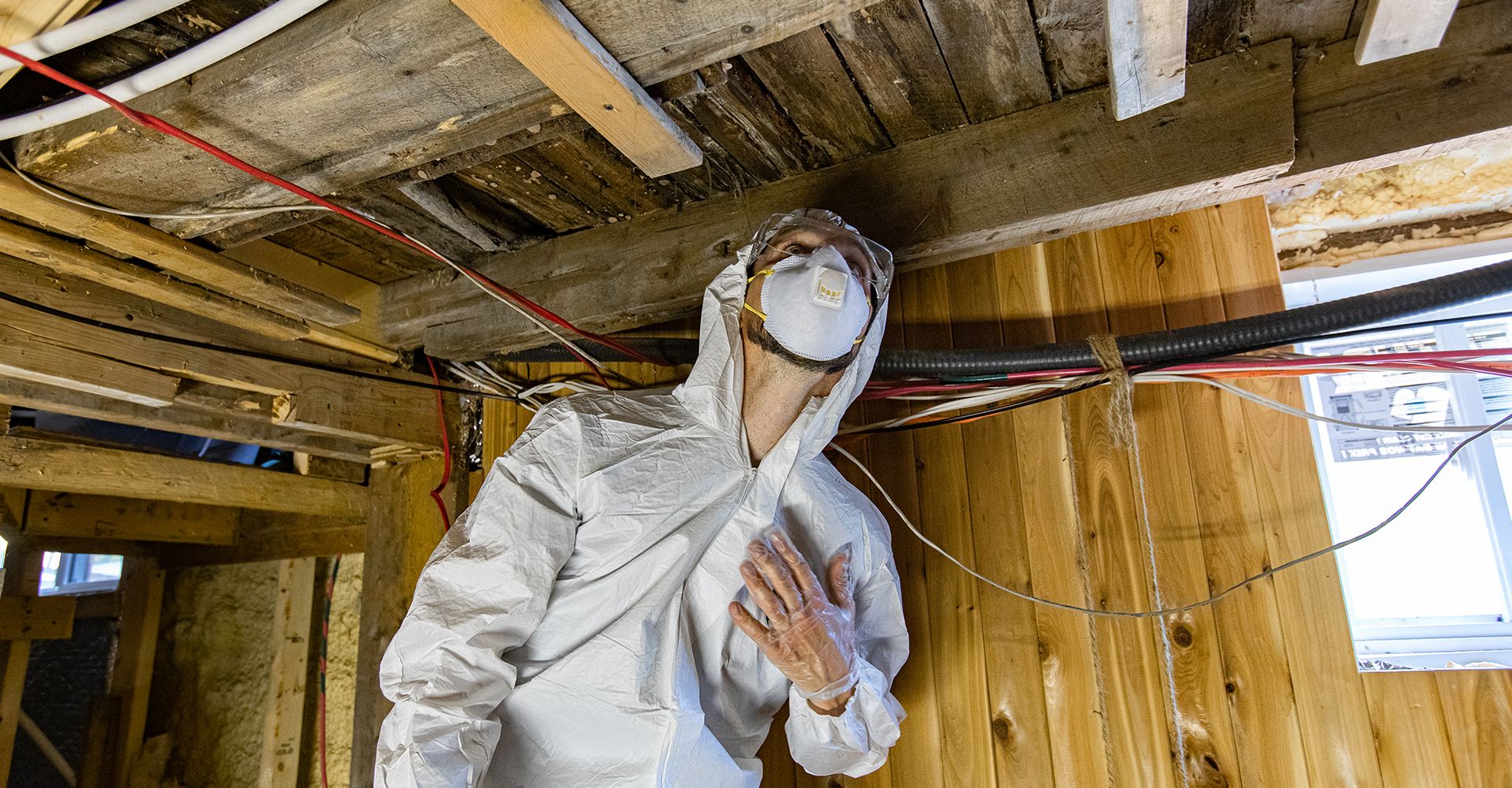
Attics rarely get attention from homeowners, yet in West Melbourne homes, they are one of the most common places mold begins to develop. Because attics sit above the living space and stay out of sight, moisture problems often go unnoticed until mold growth becomes significant.
I’ve inspected attics that looked dry from below but had mold spreading across roof decking and framing. Ever wonder how mold grows in a space that doesn’t get used every day? The answer usually comes down to humidity, poor ventilation, and trapped moisture.
Let’s walk through how attic mold develops, what warning signs to watch for, and what homeowners in Brevard County should know.
Why Attics Are Prone to Mold
Attics experience large temperature changes. During the day, attic temperatures rise significantly, and at night, cooling surfaces can cause condensation to form.
In West Melbourne homes, mold in attics often develops because of:
- High humidity levels
- Poor ventilation
- Roof leaks
- Warm air rising from living spaces
Warm, humid air naturally rises through ceilings and enters attic spaces. If ventilation is limited, moisture remains trapped, creating conditions where mold can grow.
Rhetorical question time: if warm air carries moisture upward every day, where does that moisture go? In many homes, it ends up in the attic.
How Condensation Leads to Mold
Condensation is one of the most common causes of attic mold. When warm, humid air meets cooler roof surfaces, water droplets can form on wood and insulation.
Over time, this moisture:
- Keeps materials damp
- Allows mold spores to grow
- Weakens building materials
Condensation often develops slowly, which is why homeowners rarely notice it right away.
IMO, condensation causes more attic mold in Florida homes than major roof leaks.
The Role of Ventilation in Attic Health
Proper ventilation allows humid air to escape and helps keep attic temperatures stable. Without ventilation, moisture accumulates and mold risk increases.
Common ventilation problems include:
- Blocked soffit vents
- Insufficient roof or ridge vents
- Insulation covering airflow paths
These issues prevent air circulation and allow humidity to build.
Ever notice how some attics feel extremely hot and damp at the same time? That’s usually a ventilation problem.
Roof Leaks and Minor Water Intrusion
While condensation is common, roof leaks also contribute to attic mold. Even small leaks can keep wood damp long enough for mold to grow.
Signs of roof-related moisture include:
- Dark staining on roof decking
- Damp insulation
- Water marks near nails or flashing
These leaks don’t always cause ceiling stains inside the home, so they often go unnoticed.
FYI, mold can develop from leaks so small they never reach the ceiling below.
Early Signs of Attic Mold
Because attics remain out of sight, early warning signs often appear inside the home first.
Homeowners may notice:
- Musty odors
- Allergy-like symptoms indoors
- Slight discoloration near ceiling edges
These clues often indicate moisture conditions that may exist in the attic.
Ever wonder why upper rooms sometimes smell musty before other areas? Attic conditions often explain that pattern.
How Attic Mold Affects Indoor Air Quality
Air moves between attics and living spaces through small openings, ductwork, and ventilation pathways. When mold grows in an attic, spores can enter indoor air.
This can lead to:
- Odors in upper rooms
- Air feeling stale or heavy
- Dust or irritation indoors
In homes where HVAC ducts run through attics, airflow can spread spores throughout the house.
Air circulation doesn’t just move cool air—it moves everything in the air.
Why Attic Mold Often Goes Undetected
Attics don’t get inspected frequently, and mold grows gradually in these environments. Surfaces may appear dry while internal materials remain damp.
During inspections, we often find:
- Mold on roof sheathing
- Damp insulation
- Elevated humidity levels
These conditions may exist for months without visible signs inside the home.
That’s why periodic attic inspections help catch problems early.
The Importance of Mold Inspection and Testing
When attic mold is suspected, inspection helps identify:
- Moisture sources
- Ventilation problems
- Visible and hidden mold growth
Mold testing may also help determine whether airborne mold levels are elevated indoors.
Inspection identifies the cause. Testing measures exposure.
Together, they provide a complete picture of the situation.
Mold Removal and Remediation in Attics
If mold is confirmed, remediation typically includes:
- Removing contaminated materials
- Cleaning structural surfaces
- Improving ventilation
- Correcting moisture sources
In some cases, insulation replacement may be necessary if it has been heavily affected.
The most important step is always stopping moisture from returning.
Without that, mold often reappears.
Preventing Attic Mold in West Melbourne Homes
Homeowners can reduce attic mold risk by:
- Ensuring attic ventilation works properly
- Repairing roof leaks promptly
- Maintaining bathroom and kitchen exhaust systems
- Monitoring indoor humidity levels
Exhaust fans should always vent outdoors, not into the attic. Venting into the attic is one of the most common causes of mold.
Ever notice how steam from showers rises quickly? That moisture needs a way out of the house.
Why Acting Early Saves Time and Money
One consistent lesson from inspections is that early detection prevents larger problems.
When attic moisture problems are addressed early:
- Mold remains limited
- Repairs stay smaller
- Structural materials remain intact
Waiting allows mold to spread across larger areas of framing and insulation, increasing remediation costs.
Maintenance almost always costs less than restoration.
Final Thoughts
Mold in attics in West Melbourne homes usually develops because of humidity, condensation, and ventilation problems rather than major leaks. Because attics stay out of sight, mold can grow unnoticed until odors or air quality issues appear inside the home.
Understanding warning signs, maintaining ventilation, and inspecting attics periodically helps homeowners prevent small moisture problems from becoming major repairs.