
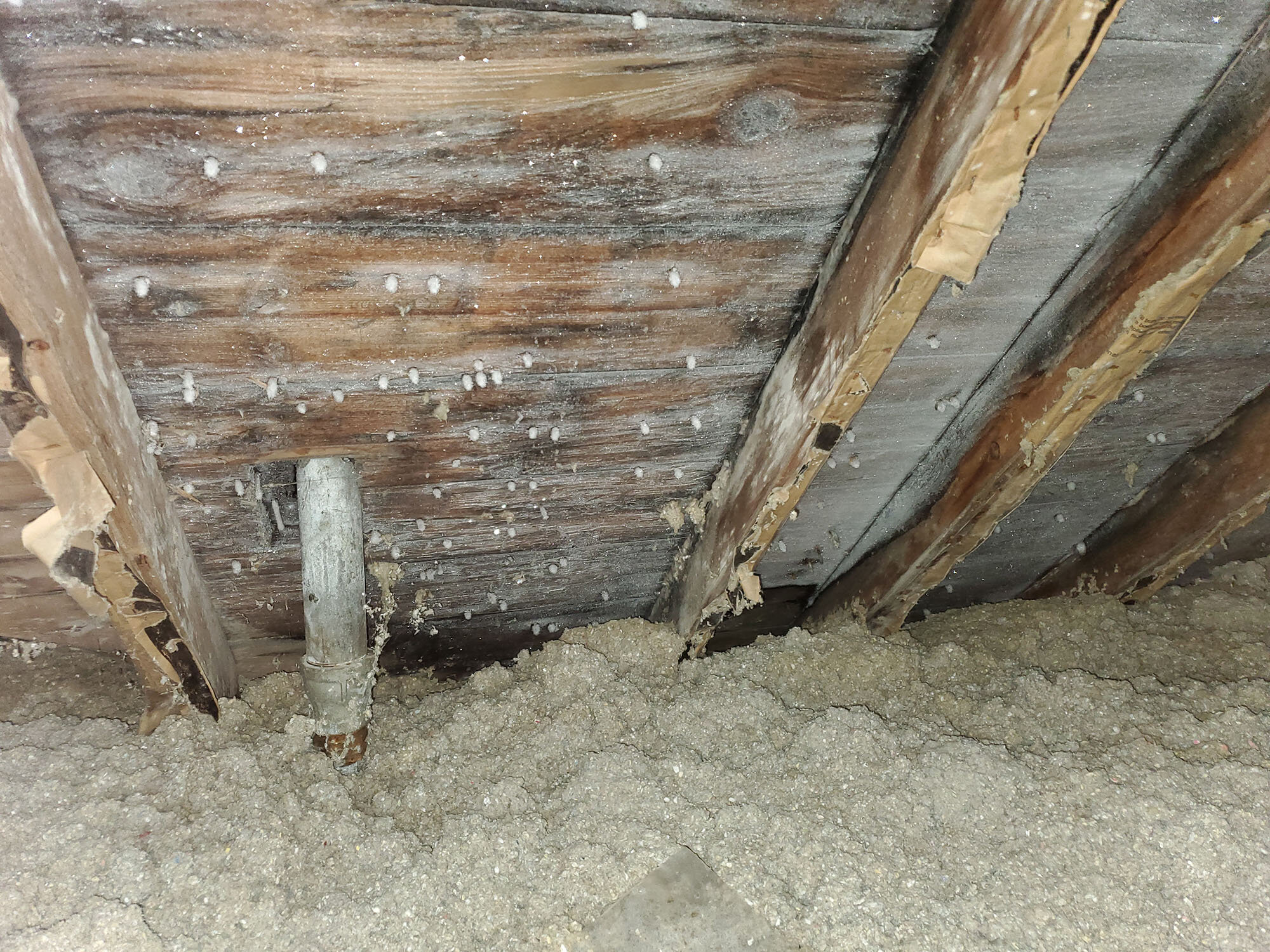
Mold in Attics in West Melbourne: What Homeowners in Brevard County Should Know
When homeowners in West Melbourne think about mold, they usually check bathrooms, kitchens, or around windows.
The attic is often forgotten.
But in Brevard County, attic mold is one of the most common issues we see — especially after long humid summers, heavy rain cycles, or hurricane season.
Because attics are rarely visited, mold can grow for months before anyone realizes it’s there.
If you own a home in West Melbourne, Palm Bay, Rockledge, or anywhere along the Space Coast, understanding how attic mold develops is key to protecting your roof structure and indoor air quality.
Why Attics in West Melbourne Are Prone to Mold
Florida’s climate creates a unique environment inside attic spaces.
Attics in Brevard County experience:
- Extreme heat buildup
- High outdoor humidity
- Heavy rain exposure
- Hurricane-force wind-driven moisture
- Constant air conditioning use below
When humid air becomes trapped inside an attic without proper ventilation, condensation forms on cooler surfaces like roof decking and rafters.
That condensation feeds mold growth.
Even newer homes in West Melbourne subdivisions can develop attic mold if airflow or insulation isn’t balanced correctly.
How Moisture Gets Into the Attic
Attic mold is almost always a moisture issue.
Here are the most common causes in West Melbourne homes.
Roof Leaks
After strong storms affecting Melbourne, Satellite Beach, or Cocoa, small roof vulnerabilities may allow water to enter without creating visible ceiling stains.
Water can travel along rafters before soaking insulation.
Poor Ventilation
Blocked soffit vents, insufficient ridge vents, or improperly installed ventilation systems trap humid air inside the attic.
Without airflow, moisture lingers.
Bathroom Exhaust Fans Venting Into the Attic
In some homes, exhaust fans are improperly routed into the attic instead of outside.
That warm, humid air accumulates quickly.
AC Duct Condensation
Ductwork running through attics can sweat when temperature differences occur. If insulation is damaged, condensation drips onto surrounding materials.
Hurricane-Driven Rain
Wind pressure during storms in Rockledge and West Melbourne can push rain through ridge vents or small roof gaps.
Moisture doesn’t need to be dramatic to cause mold.
Signs You May Have Attic Mold
Because attics are out of sight, interior symptoms often appear first.
Homeowners sometimes notice:
- Musty odors indoors
- Increased allergy-like symptoms
- Ceiling stains after storms
- Elevated indoor humidity
- Visible dark staining on attic plywood
In West Melbourne homes with garage-based air handlers, attic humidity issues may also affect adjacent areas.
Sometimes the only way to know for sure is to inspect the attic directly.
Why Attic Mold Is Often Missed
Attics can look dry from below.
A ceiling may appear intact while insulation above it is damp.
In Palm Bay and Merritt Island homes, we’ve seen situations where attic mold spread across roof decking with no interior drywall damage at all.
Because attic conditions fluctuate daily — hot afternoons, humid evenings — moisture can form and evaporate repeatedly, feeding mold growth quietly over time.
Without routine inspection, it’s easy to miss.
The Ventilation Balance Problem
Many homeowners assume more ventilation is always better.
In humid climates like Brevard County, ventilation must be balanced correctly.
Too little airflow traps humidity.
Too much intake without proper exhaust can also allow humid air to circulate without drying.
Proper attic systems rely on:
- Balanced soffit and ridge vent design
- Adequate insulation
- Properly sealed air leaks from the home below
If warm, moist air from the house rises into the attic through gaps, it can condense on roof decking.
Air sealing matters just as much as ventilation.
What a Professional Attic Mold Inspection Includes
When inspecting attic mold in West Melbourne, a structured evaluation is essential.
A thorough inspection typically involves:
Visual Assessment
Examining:
- Roof decking
- Rafters
- Insulation
- Vent openings
- Ductwork
Patterns of staining can reveal whether moisture is from condensation or direct intrusion.
Moisture Measurement
Moisture meters detect whether wood framing retains excess moisture.
Ventilation Evaluation
Inspectors assess whether airflow is balanced and unobstructed.
Roof Penetration Check
Flashing and vent pipe penetrations are reviewed for signs of leakage.
Brevard Mold Inspections & Removal conducts attic inspections with a focus on identifying the moisture source first.
The goal is preventing recurrence.
Proper Attic Mold Remediation
If mold is present, remediation focuses on both cleaning and correction.
Typical steps include:
- Repairing roof leaks
- Correcting ventilation issues
- Sealing air gaps between living space and attic
- Cleaning affected roof decking
- Removing heavily contaminated insulation if necessary
- Drying the attic thoroughly
In Brevard County’s climate, drying is critical before insulation replacement or repairs.
Without moisture stabilization, mold can return quickly.
Preventing Attic Mold in West Melbourne
Prevention is manageable with routine attention.
Homeowners can:
- Inspect the attic annually
- Check after major storms
- Ensure soffit vents are not blocked
- Replace damaged duct insulation
- Seal attic access panels tightly
- Maintain roof integrity
- Service HVAC systems regularly
After hurricane season affecting Cocoa Beach or Satellite Beach, inspecting attic spaces within a few days is wise — even inland in West Melbourne.
Storm-related moisture often goes unnoticed at first.
Why Local Experience in Brevard County Matters
Attic mold in Florida behaves differently than in cooler climates.
West Melbourne homes face:
- Prolonged summer humidity
- Hurricane-driven rain intrusion
- Year-round AC usage
- High attic heat levels
- Rapid mold growth timelines
An inspector familiar with Brevard County understands these conditions and how they affect roof structures.
Brevard Mold Inspections & Removal works throughout West Melbourne, Palm Bay, Rockledge, Merritt Island, Titusville, and surrounding communities. Local experience improves accuracy and ensures solutions fit Florida’s climate realities.
A Practical, Informed Approach
Attic mold may sound alarming, but most cases in Brevard County are manageable when caught early.
The key is identifying moisture patterns before structural damage spreads.
If you notice musty odors, unexplained humidity, or ceiling staining in your West Melbourne home, an attic inspection can provide clarity.
In Florida’s climate, the space above your ceiling deserves just as much attention as the rooms below it.
Staying proactive keeps your home stable and protected year-round.