
Mold in Bathrooms in Cape Canaveral: What Homeowners in Brevard County Should Know
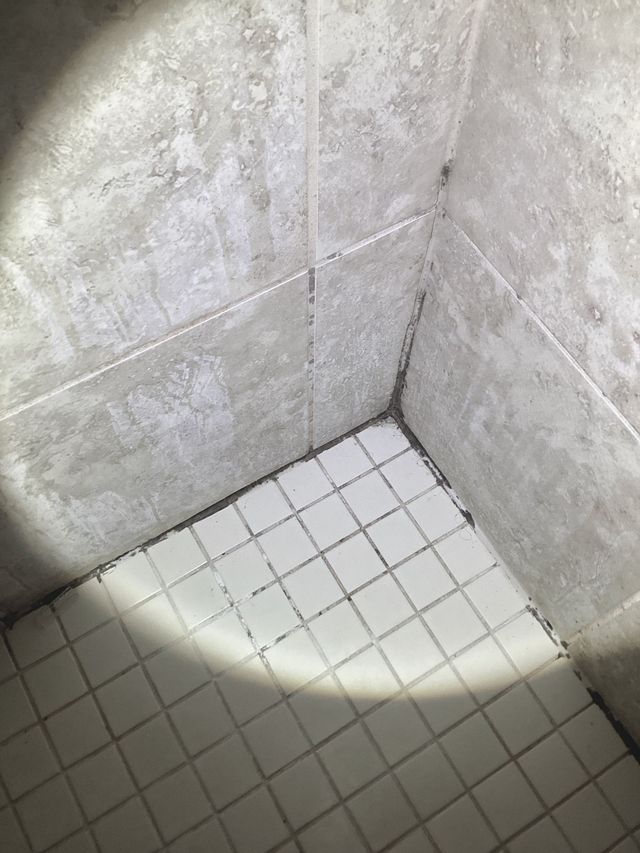
Bathrooms are one of the most common places for mold growth in homes across Cape Canaveral and throughout Brevard County. Between daily showers, steam, splashing water, and Florida’s coastal humidity, bathrooms create the perfect environment for mold to grow quickly—often faster than homeowners expect.
What may start as a little discoloration on grout or caulk can signal a bigger moisture problem hiding behind walls or under flooring. Understanding why bathroom mold forms, where it hides, and how to prevent it helps protect both your home and your health.
Why Bathroom Mold Is So Common in Cape Canaveral
Cape Canaveral’s coastal conditions make bathrooms especially vulnerable to mold:
- High year-round humidity
- Frequent hot showers creating steam
- Salt air adding moisture to indoor spaces
- Inadequate or unused exhaust fans
- Small bathrooms with limited airflow
- Plumbing lines inside walls
In this climate, mold can begin growing within 24–48 hours when moisture lingers.
Common Places Mold Grows in Bathrooms
Bathroom mold isn’t always obvious at first. In Cape Canaveral homes, it commonly appears in:
- Shower grout and tile lines
- Caulking around tubs and sinks
- Ceilings above showers
- Under sinks and inside vanities
- Behind toilets
- Around exhaust fan covers
- Along baseboards
Visible mold often means additional moisture is present behind surfaces.
Hidden Bathroom Mold Is a Bigger Problem Than It Looks
Bathrooms frequently hide mold in areas homeowners can’t see, such as:
- Inside walls behind showers and tubs
- Beneath flooring near tubs or toilets
- Inside cabinets exposed to slow plumbing leaks
- Above ceilings where steam accumulates
Because bathrooms are small, moisture builds quickly and can spread into nearby rooms.
Health Effects of Bathroom Mold
Bathroom mold can affect indoor air quality and health, especially with repeated exposure.
Common symptoms include:
- Sneezing or coughing
- Nasal congestion
- Eye or throat irritation
- Headaches
- Skin irritation
- Worsened asthma or allergies
Children, seniors, and individuals with respiratory conditions are often more sensitive.
Why Bleach and DIY Cleaning Often Fail
Many homeowners rely on bleach or store-bought cleaners. While these may remove surface stains, they rarely fix the real problem.
DIY cleanup issues include:
- Mold roots remaining in porous materials
- Moisture sources going uncorrected
- Spores spreading during scrubbing
- Mold returning quickly in humid conditions
In coastal Brevard County, bathroom mold almost always comes back if ventilation and humidity aren’t improved.
Plumbing Leaks Make Bathroom Mold Worse
Even small plumbing issues can fuel serious mold growth.
Common sources include:
- Loose sink connections
- Slow toilet leaks
- Shower pan or grout failures
- Aging pipes inside walls
Long-term leaks often cause mold to grow behind walls, where it can spread unnoticed.
Does Homeowners Insurance Cover Bathroom Mold?
Insurance coverage depends on what caused the mold.
Mold may be covered if it resulted from a sudden, accidental event such as:
- A burst pipe
- Sudden plumbing failure
Mold is usually not covered if caused by:
- Long-term leaks
- High humidity
- Poor ventilation
- Deferred maintenance
Prompt documentation and professional evaluation are important if insurance may be involved.
Preventing Mold in Bathrooms
Bathroom mold prevention in Cape Canaveral focuses on moisture control and airflow.
Effective steps include:
- Running exhaust fans during and at least 20 minutes after showers
- Leaving bathroom doors open to improve airflow
- Drying wet surfaces after use
- Repairing leaks immediately
- Resealing grout and caulk as needed
- Keeping indoor humidity below 55%
- Using dehumidifiers when necessary
Ventilation is one of the most important—and most overlooked—tools.
When Bathroom Mold Requires Professional Help
Professional help is recommended if:
- Mold keeps returning after cleaning
- Mold covers a large area
- You smell mold but can’t see it
- Mold followed plumbing leaks
- Health symptoms worsen indoors
- Mold appears on ceilings or walls
These signs often indicate hidden mold or ongoing moisture problems.
Long-Term Risks of Ignoring Bathroom Mold
Ignoring bathroom mold can lead to:
- Hidden structural damage
- Mold spreading into walls and floors
- Persistent musty odors
- Declining indoor air quality
- Higher remediation costs later
Bathrooms may be small spaces, but mold problems can spread far beyond them.
Conclusion
Mold in bathrooms is a common issue for homeowners in Cape Canaveral and Brevard County, but it shouldn’t be ignored. What starts as surface mold on grout or caulk often points to deeper moisture and ventilation problems.
By improving airflow, controlling humidity, fixing leaks promptly, and acting early when mold appears, homeowners can prevent small bathroom mold issues from becoming major problems. In Florida’s coastal climate, consistent moisture control is the key to keeping bathrooms mold-free.