
Mold in Bathrooms in Cape Canaveral: What Homeowners in Brevard County Should Know
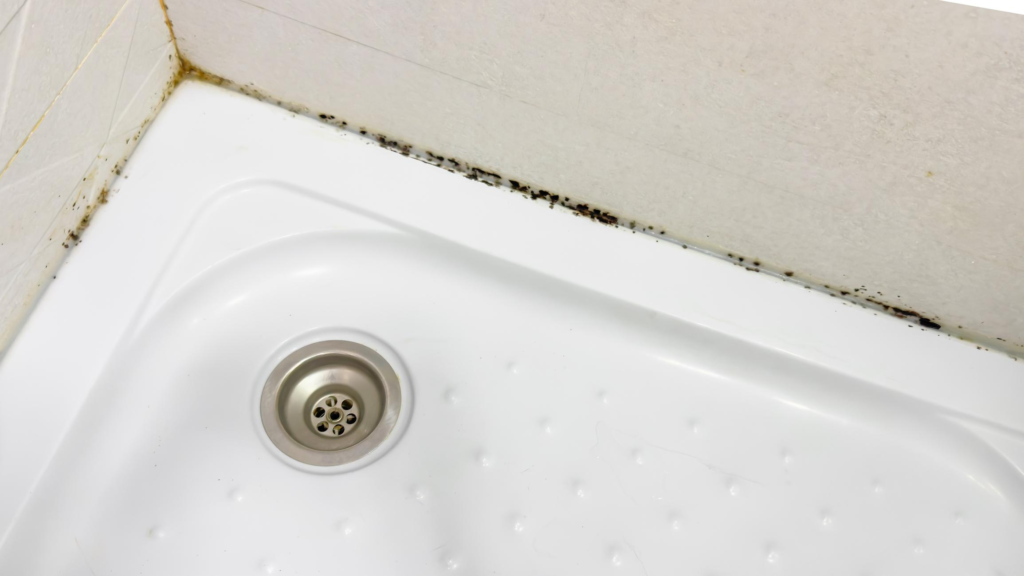
If you live in Cape Canaveral, you already know moisture is part of daily life. The air feels heavy in the summer. Afternoon rainstorms roll in quickly. And inside your home, hot showers meet cool air conditioning almost every day.
That combination makes bathrooms one of the most common places for mold growth in Brevard County homes.
From oceanfront condos in Cape Canaveral to single-family homes in Cocoa Beach, Merritt Island, Melbourne, and Satellite Beach, bathroom mold is something we regularly inspect and address. It’s not unusual — but it does need to be handled correctly.
Let’s walk through why mold forms in bathrooms here, what signs to look for, and how homeowners can manage it the right way.
What Bathroom Mold Really Is
Bathroom mold typically develops on:
- Ceiling drywall
- Grout lines
- Caulking around tubs and showers
- Behind vanities
- Around exhaust fans
- Inside wall cavities
- Beneath flooring near toilets or tubs
It thrives where warm moisture lingers.
Every shower releases steam. Every bath adds humidity. When that moisture doesn’t ventilate properly, it settles onto cooler surfaces. In Florida’s climate, that dampness doesn’t evaporate quickly.
In Cape Canaveral homes, especially those near the coast, ambient humidity is already high before you even turn on the shower.
Why This Happens in Cape Canaveral and Brevard County
Several local factors make bathroom mold more likely here than in drier states.
High Coastal Humidity
Cape Canaveral sits directly along the Atlantic. Ocean air carries moisture year-round. Even when it’s not raining, humidity levels stay elevated.
When humid air enters your bathroom and meets cooler AC air, condensation forms on ceilings, walls, mirrors, and exhaust fan housings.
Frequent Rain and Storms
Summer storms and hurricane season in Brevard County push water against exterior walls and rooflines. Small amounts of moisture can enter attic spaces or wall cavities connected to bathrooms.
That hidden moisture feeds mold growth behind finished surfaces.
Constant AC Use
Homes in Melbourne, Rockledge, and Cape Canaveral rely heavily on air conditioning. When hot shower steam meets cooled interior air, condensation forms quickly.
If the bathroom isn’t properly ventilated, moisture accumulates in corners and ceiling areas.
Attic Heat and Moisture
Many bathroom exhaust fans vent into attics rather than directly outdoors. In Florida’s extreme attic heat, moisture can condense on roof decking and insulation above the bathroom ceiling.
That’s how mold begins in ceilings without obvious leaks.
Common Signs Homeowners Notice
Bathroom mold often starts small.
Homeowners across Palm Bay, Merritt Island, and Cocoa Beach usually report:
- Black or dark spots on ceilings
- Discoloration in grout lines
- Peeling paint above showers
- Musty odors that linger
- Caulking that looks stained
- Recurring mold in the same corner
Sometimes the surface looks clean, but the smell remains. That’s a clue moisture may be present behind drywall or inside the exhaust fan cavity.
In coastal areas like Cape Canaveral, salt air can also break down finishes faster, allowing moisture to penetrate more easily.
Hidden or Overlooked Causes
Not all bathroom mold comes from visible steam.
In Brevard County homes, we often find hidden contributors.
Slow Plumbing Leaks
Small drips behind shower walls or beneath sinks can dampen insulation without immediate visible staining.
Over time, mold develops inside the wall cavity.
Toilet Seal Failures
Wax ring failures under toilets can allow small amounts of water to seep into flooring.
Homeowners may notice slight flooring discoloration before realizing moisture is trapped underneath.
Exhaust Fan Problems
If a fan isn’t functioning properly — or if it vents into the attic — humidity stays trapped.
In homes across Viera and Titusville, we frequently see bathroom fans that were installed but never ducted outdoors.
Past Roof Leaks
Even if a roof was repaired after a storm in Satellite Beach or Cocoa, attic insulation may have remained damp near bathroom ceilings.
That moisture eventually affects drywall below.
Why DIY Cleaning Often Falls Short
Bathroom mold seems simple to clean. Spray it. Wipe it. Repaint.
But that approach only works when the problem is purely surface-level.
Bleach may lighten stains, but it does not correct:
- Poor ventilation
- Hidden plumbing leaks
- Attic moisture
- Condensation buildup
Painting over mold without addressing moisture traps the problem inside the wall.
In Florida’s humid climate, it returns quickly.
And scrubbing aggressively can release spores into the air if growth is more than superficial.
Moisture control always comes first.
Professional Mold Inspection & Testing Explained
When evaluating bathroom mold in Cape Canaveral homes, the inspection focuses on identifying moisture sources — not just visible staining.
At Brevard Mold Inspections & Removal, a typical evaluation includes:
Visual Assessment
Examining ceilings, corners, exhaust fans, baseboards, and adjacent rooms.
Moisture Detection
Using moisture meters to check drywall, subfloors, and surrounding walls for elevated moisture levels.
Thermal imaging can help identify cooler areas where condensation may be forming.
Attic Review
If the bathroom sits below attic space, insulation and roof decking are checked for condensation or past water intrusion.
Air or Surface Sampling (When Needed)
In cases where odors persist but visible mold is limited, sampling can provide clarity.
Lab results help determine if elevated mold levels are present indoors.
Not every case requires testing, but it can help when the situation isn’t straightforward.
Proper Mold Removal & Remediation Approach
When bathroom mold extends beyond surface staining, remediation follows a structured process.
This typically includes:
- Containing the affected area
- Removing damaged drywall or materials if necessary
- Cleaning structural framing
- HEPA filtration
- Correcting ventilation or plumbing issues
- Thorough drying before rebuilding
The goal isn’t just cosmetic improvement — it’s moisture stabilization.
Without correcting airflow or leaks, mold will return.
How to Prevent Bathroom Mold in Cape Canaveral
In Brevard County, prevention centers on ventilation and moisture management.
Here are practical steps homeowners can take:
- Run exhaust fans during showers and for at least 20 minutes afterward
- Ensure fans vent outdoors, not into the attic
- Keep indoor humidity below 60%
- Wipe down wet surfaces after heavy steam use
- Inspect caulking and grout regularly
- Check attic insulation annually
- Service AC systems to prevent condensation issues
- After storms, inspect ceilings for staining
In waterfront areas like Cape Canaveral and Cocoa Beach, additional humidity control may be helpful during peak summer months.
Consistent ventilation reduces long-term risk.
Why Local Experience Matters in Brevard County
Bathroom mold in Cape Canaveral behaves differently than in dry inland climates.
Here, you have:
- Coastal salt air
- Year-round humidity
- Frequent storms
- Constant AC use
- Attic heat buildup
Understanding how these factors interact with Florida construction styles matters.
Homes in Rockledge may have slab foundations, while older homes in Cocoa may have different ventilation patterns. Condo buildings in Cape Canaveral present different moisture pathways altogether.
Local experience ensures inspections focus on the right areas.
A Calm, Practical Next Step
If you’re noticing recurring mold in your bathroom in Cape Canaveral — whether on ceilings, grout, or near exhaust fans — it’s worth having the moisture source evaluated.
Most bathroom mold issues are manageable when addressed early and properly.
There’s no need for alarm.
Understanding the cause gives you control.
If you’d like a thorough assessment of moisture conditions in your bathroom or home, Brevard Mold Inspections & Removal provides experienced, local inspections tailored to Brevard County homes.
In Florida, moisture is part of life. Managing it wisely protects your home and keeps your living space comfortable year-round.