
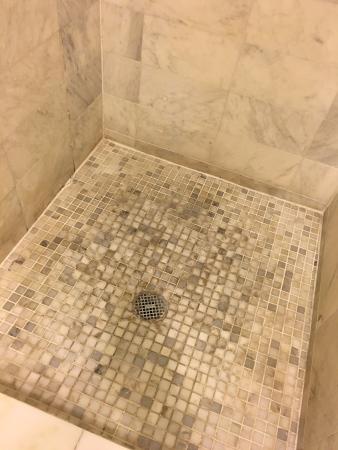
Mold in Bathrooms in Cape Canaveral: What Homeowners in Brevard County Should Know
Bathrooms are one of the most common places for mold to appear — and in Cape Canaveral, that risk is even higher.
Living near the ocean means constant humidity. Add daily hot showers, limited ventilation, and Florida’s year-round warmth, and bathrooms quickly become ideal environments for moisture buildup.
Homeowners in Cape Canaveral, Cocoa Beach, Merritt Island, Rockledge, and throughout Brevard County often ask the same question:
Is this just normal bathroom mildew, or is it something more serious?
Understanding how bathroom mold develops — and how to control it properly — helps prevent small cosmetic issues from turning into structural problems.
Why Bathrooms in Cape Canaveral Are So Prone to Mold
Bathrooms naturally generate moisture.
But in coastal Brevard County, moisture levels start high before the shower even turns on.
Cape Canaveral homes face:
- Elevated outdoor humidity from ocean air
- Frequent afternoon storms
- Warm temperatures most of the year
- AC systems running constantly
- Salt air exposure that affects materials
When indoor humidity remains above 55–60%, mold growth becomes much more likely.
In bathrooms without proper ventilation, moisture lingers long after showers end.
That lingering dampness feeds mold growth on ceilings, grout, caulk, and even inside walls.
The Difference Between Surface Mildew and Deeper Mold
Not all bathroom mold is equal.
Small amounts of mildew on tile grout are common in humid climates. However, repeated or spreading growth may signal a larger moisture imbalance.
Surface mildew usually appears:
- On grout lines
- Around caulk joints
- On shower curtains
- On painted ceiling areas
More serious concerns may involve:
- Soft drywall around the shower
- Peeling paint on ceilings
- Musty odors even when dry
- Water staining near exhaust fans
- Warped baseboards
In Cape Canaveral condos and single-family homes alike, mold sometimes forms behind tile or drywall if leaks are present.
The key question is whether moisture is staying trapped.
Common Causes of Bathroom Mold in Brevard County
Bathroom mold in Cape Canaveral rarely has just one cause. It’s usually a combination of factors.
Poor Ventilation
Exhaust fans may be undersized, clogged with dust, or not used consistently.
In some older Melbourne and Rockledge homes, fans vent into attic spaces instead of outside, creating attic mold problems as well.
Plumbing Leaks
Small leaks behind shower walls or under sinks can feed hidden mold growth for months.
AC Humidity Imbalance
If the HVAC system isn’t controlling humidity effectively, bathroom moisture lingers longer.
Condensation
Cooler ceiling surfaces meeting humid air cause condensation droplets to form.
Storm-Related Moisture
After heavy rains in Cocoa Beach or Satellite Beach, humidity levels spike, increasing indoor condensation risk.
Bathrooms feel the impact quickly.
Signs Your Bathroom Mold May Be More Than Cosmetic
Watch for these warning signs:
- Mold returning quickly after cleaning
- Cracked or deteriorating grout
- Soft drywall near shower enclosures
- Persistent musty odors
- Paint bubbling on ceilings
- Staining around vent fans
In slab homes common in Palm Bay and Merritt Island, moisture can also wick upward if water intrusion occurs at ground level.
If mold keeps coming back despite cleaning, the underlying moisture issue hasn’t been resolved.
Why Bleach Isn’t Always the Answer
Bleach may lighten staining on hard surfaces, but it does not penetrate porous materials effectively.
On drywall and wood, bleach:
- Evaporates quickly
- Leaves moisture behind
- Fails to address internal growth
Repeated bleaching without drying the environment may actually worsen the problem.
In Brevard County’s humid climate, moisture control matters more than surface cleaning.
What a Professional Bathroom Mold Inspection Includes
If bathroom mold appears persistent or widespread, a professional evaluation can clarify the situation.
A proper inspection in Cape Canaveral typically involves:
Visual Examination
Inspecting:
- Ceilings
- Grout and caulk
- Sink cabinets
- Wall surfaces
- Exhaust fan areas
Moisture Detection
Moisture meters help detect elevated levels behind walls or under tile.
Infrared imaging may identify hidden damp areas.
Ventilation Assessment
Exhaust fan performance and duct routing are evaluated.
Humidity Measurement
Indoor humidity levels are tested to determine whether environmental imbalance is contributing.
Attic Check (If Needed)
If fans vent into attic spaces, attic conditions may also require inspection.
Brevard Mold Inspections & Removal approaches bathroom mold evaluations with a focus on identifying moisture patterns rather than assuming worst-case scenarios.
Proper Mold Remediation in Bathrooms
If remediation is necessary, the focus remains on moisture correction first.
Typical steps may include:
- Repairing plumbing leaks
- Improving ventilation
- Replacing damaged drywall
- Removing and replacing contaminated caulk
- Cleaning affected surfaces
- Drying thoroughly before repainting
In coastal Cape Canaveral homes, humidity stabilization is especially important before closing walls or reapplying finishes.
Without moisture balance, mold can return quickly.
How to Prevent Bathroom Mold in Cape Canaveral
Prevention is practical and consistent.
Homeowners can:
- Run exhaust fans during and after showers (at least 20 minutes)
- Leave bathroom doors open for airflow
- Keep indoor humidity below 55%
- Wipe down wet surfaces regularly
- Replace deteriorating caulk
- Service AC systems annually
- Inspect plumbing under sinks periodically
After heavy rain events in Cocoa Beach or Rockledge, monitor indoor humidity closely.
Small adjustments can make a noticeable difference.
Why Local Experience in Brevard County Matters
Bathroom mold in Arizona behaves differently than bathroom mold in Florida.
Cape Canaveral homes deal with:
- Ocean-driven humidity
- Hurricane-season moisture spikes
- Constant AC usage
- Salt air corrosion
- Slab foundation construction
An inspector familiar with Brevard County understands how these factors interact.
Brevard Mold Inspections & Removal works throughout Cape Canaveral, Cocoa Beach, Merritt Island, Melbourne, Palm Bay, and surrounding areas. Local climate experience helps identify realistic solutions tailored to Florida homes.
A Balanced, Practical Perspective
Mold in bathrooms is common in Cape Canaveral — but not every case is severe.
The difference lies in whether moisture is controlled.
If you’re noticing recurring mold, persistent odors, or signs of hidden dampness, a professional inspection can provide clarity.
In Brevard County’s climate, moisture management is an ongoing responsibility.
With proper ventilation, routine maintenance, and early attention, most bathroom mold problems remain manageable.