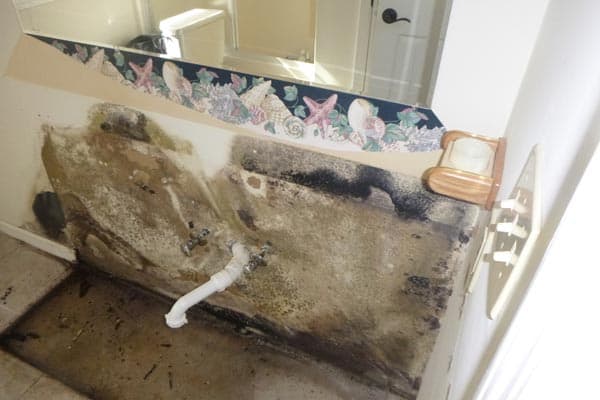
Mold in Bathrooms in Cape Canaveral: What Homeowners in Brevard County Should Know
Bathrooms are one of the most common places mold shows up in Cape Canaveral homes—and it’s not because homeowners are doing anything wrong. Between daily showers, warm coastal air, and Florida’s naturally high humidity, bathrooms create the exact environment mold needs to grow. In Brevard County, bathroom mold is less about cleanliness and more about moisture that doesn’t dry out fast enough.
For homeowners in Cape Canaveral, understanding why mold forms in bathrooms, where it hides, and how to prevent it can make a major difference. Bathroom mold issues are usually manageable when addressed early and correctly, without panic or drastic measures.
Why Bathrooms Are Mold-Prone in Cape Canaveral
Bathrooms combine three things mold loves: moisture, warmth, and limited airflow. In a coastal city like Cape Canaveral, these conditions are amplified by constant humidity and salt-heavy air.
Every shower releases moisture into the room. If that moisture doesn’t exit the space quickly, it settles on walls, ceilings, grout, and fixtures. Over time, repeated moisture exposure allows mold spores—already present in Florida air—to settle and grow.
Local factors that increase bathroom mold risk include:
- High coastal humidity year-round
- Steam from hot showers
- Bathrooms without windows
- Underused or ineffective exhaust fans
- Bathrooms located near exterior walls
- Salt air affecting seals and ventilation components
Even newer homes can develop bathroom mold if moisture management isn’t balanced.
Common Types of Bathroom Mold Growth
Bathroom mold doesn’t always look dramatic at first. In many Cape Canaveral homes, it starts small and spreads slowly.
Typical growth areas include:
- Dark spots on grout or caulking
- Discoloration on ceilings above showers
- Mold around shower corners or tile edges
- Growth behind toilets or under vanities
- Mold near bathroom exhaust vents
While the appearance may vary, the cause is almost always the same: moisture lingering too long.
Why Bathroom Mold Develops Faster in Coastal Homes
Cape Canaveral’s proximity to the ocean means indoor air already contains more moisture than inland areas. When bathrooms add steam on top of that, drying becomes slower.
Additional coastal contributors include:
- Salt air that degrades caulk and seals
- Wind-driven rain entering small exterior gaps
- Homes kept closed and air-conditioned most of the year
- AC systems that cool air but don’t fully control humidity
Because bathrooms are smaller, moisture concentrations rise quickly, especially in homes where ventilation isn’t optimized.
Early Warning Signs Homeowners Often Miss
Bathroom mold rarely appears overnight. Most homeowners notice subtle changes before visible growth becomes obvious.
Early warning signs include:
- Persistent damp or musty odors
- Grout that darkens quickly after cleaning
- Peeling paint on bathroom ceilings
- Condensation lingering long after showers
- Caulking that discolors or softens
These signs don’t mean severe mold is already present, but they do indicate moisture conditions that should be addressed promptly.
Hidden Mold in Cape Canaveral Bathrooms
Not all bathroom mold is visible. Some of the most common mold problems are hidden behind finishes and fixtures.
Inspectors frequently find mold:
- Behind shower walls where plumbing runs
- Under tile or vinyl flooring near tubs
- Inside wall cavities near exterior bathroom walls
- Beneath bathroom vanities after slow leaks
- In ceilings below second-floor bathrooms
Because mold doesn’t need light, these areas can support growth long before any surface signs appear.
The Role of Ventilation in Bathroom Mold
Ventilation is one of the most critical factors in bathroom mold prevention. In many Cape Canaveral homes, exhaust fans exist but don’t function effectively.
Common ventilation issues include:
- Fans that are undersized for the bathroom
- Fans that vent into attics instead of outdoors
- Fans clogged with dust or salt residue
- Fans not used long enough after showers
Bathrooms should continue venting moisture for at least 20–30 minutes after showers, especially in coastal humidity. Without proper airflow, moisture settles into building materials.
Why Cleaning Alone Doesn’t Solve Bathroom Mold
Many homeowners try to manage bathroom mold with regular cleaning. While cleaning helps with surface appearance, it doesn’t address why mold keeps returning.
Cleaning alone fails because:
- Moisture sources remain unchanged
- Mold roots remain in porous materials
- Hidden growth is untouched
- Humidity conditions stay the same
Bleach and household cleaners may temporarily remove stains, but mold will return if moisture continues to build up after every shower.
When Bathroom Mold Signals a Bigger Problem
In some Cape Canaveral homes, recurring bathroom mold points to issues beyond daily humidity.
These may include:
- Plumbing leaks inside walls
- Water intrusion from exterior walls
- Poor attic ventilation above bathrooms
- AC condensation affecting nearby areas
- Structural moisture issues in older homes
When mold returns quickly after cleaning or appears in unusual places, a deeper inspection is often warranted.
How Professional Mold Inspections Help Bathroom Mold Issues
A professional mold inspection focuses on identifying moisture patterns, not just visible mold. In bathroom-related cases, inspectors look beyond tile and grout.
An inspection may include:
- Moisture detection behind walls and floors
- Evaluation of exhaust fan performance
- Inspection of attic spaces above bathrooms
- Review of plumbing lines and fixtures
- Targeted sampling if needed
The goal is to understand why mold is forming and what steps will actually stop it from returning.
Brevard Mold Inspections & Removal takes a practical, homeowner-focused approach, helping Cape Canaveral residents understand bathroom mold conditions without exaggeration or pressure.
Proper Mold Remediation for Bathrooms
When bathroom mold is confirmed beyond surface-level growth, remediation focuses on removal and prevention.
A proper approach may involve:
- Safely removing contaminated materials
- Addressing moisture sources or leaks
- Improving ventilation or airflow
- Treating affected surfaces correctly
- Ensuring materials dry fully before restoration
The size of the problem determines the scope of remediation. Many bathroom mold issues are localized when caught early.
Preventing Bathroom Mold in Cape Canaveral Homes
Prevention is always easier than remediation—especially in bathrooms.
Effective prevention steps include:
- Running exhaust fans during and after showers
- Keeping fans clean and well-maintained
- Using AC systems to help manage humidity
- Repairing caulk and grout as soon as it degrades
- Addressing small leaks immediately
- Keeping bathroom doors open when possible to improve airflow
In coastal homes, consistency matters more than intensity. Small daily habits make a big difference.
Why Local Coastal Experience Matters
Bathroom mold behaves differently in Cape Canaveral than in inland areas. Coastal humidity, salt air, and storm exposure all affect how moisture moves through homes.
Local professionals understand:
- How fast moisture builds up in bathrooms
- How salt air affects fans and seals
- Where hidden leaks commonly occur
- How coastal construction styles respond to humidity
Brevard Mold Inspections & Removal brings that Cape Canaveral–specific experience into every inspection, focusing on realistic, long-term solutions.
A Calm, Practical Next Step for Homeowners
Bathroom mold is common in Cape Canaveral—but it doesn’t have to become a recurring frustration. When moisture is managed properly, most bathroom mold issues can be controlled or prevented entirely.
If you’re noticing persistent bathroom odors, recurring mold spots, or moisture that never seems to dry out, a professional evaluation can help clarify what’s really happening. Understanding the moisture patterns in your home is the first step toward keeping bathrooms cleaner, drier, and more comfortable—without unnecessary worry.