
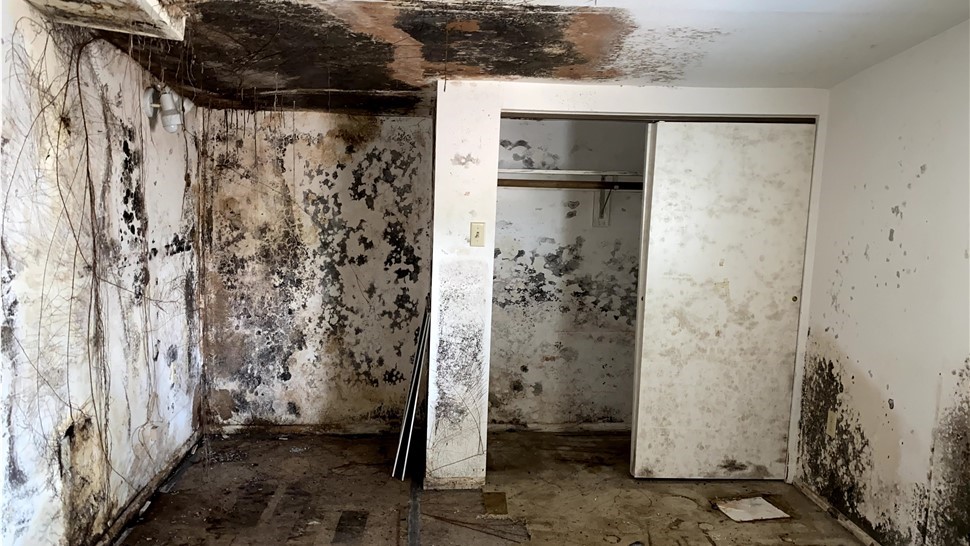


Mold in Bathrooms in Cocoa: What Homeowners in Brevard County Should Know
Bathrooms are the most common place for mold problems to start in Cocoa homes. They deal with daily moisture, steam, and limited airflow, all within a warm coastal climate that already struggles with humidity. For many homeowners in Brevard County, bathroom mold feels unavoidable, but in reality, it’s usually a sign of moisture that isn’t being managed properly.
In Cocoa, Cocoa Beach, Rockledge, Merritt Island, and nearby areas, bathroom mold is one of the most frequent issues found during inspections. Understanding why bathrooms are so vulnerable, where mold hides, and what actually stops it from coming back helps homeowners avoid repeat problems and unnecessary repairs.
Why Bathrooms Are a Mold Hotspot in Cocoa
Bathrooms combine everything mold needs in one small space: water, warmth, and time. Hot showers release large amounts of moisture into the air. If that moisture isn’t removed quickly, it settles on ceilings, walls, grout, and inside wall cavities.
Cocoa’s coastal humidity makes the problem worse. Even after the shower ends, moist air doesn’t dry out easily. When bathroom exhaust fans are weak, rarely used, or vented incorrectly, humidity stays trapped long enough for mold to grow.
In Brevard County homes, bathroom mold often develops slowly and repeatedly because the underlying moisture issue never fully changes.
What Bathroom Mold Really Is
Bathroom mold is not just what you see on grout or caulk. Visible mold is often the surface sign of moisture that has already affected deeper materials.
Mold commonly grows on drywall behind tile, on ceiling drywall, inside wall cavities near showers, and around plumbing penetrations. Once moisture gets into these areas, mold can grow out of sight while only a small portion becomes visible.
In Cocoa homes, bathroom mold frequently indicates long-term humidity exposure rather than a one-time water event.
Common Places Mold Appears in Bathrooms
Ceilings are one of the most common locations, especially above showers and tubs. Warm steam rises and condenses on cooler ceiling surfaces.
Shower walls and grout lines are another frequent area. While tile itself doesn’t support mold growth, moisture behind tile and in grout does.
Under sinks and behind toilets are also common problem spots due to small plumbing leaks or condensation. Exhaust fan housings and surrounding drywall can harbor mold when moisture builds up above the ceiling.
In some cases, mold spreads into adjacent rooms through shared walls.
Signs Bathroom Mold May Be More Than Surface-Level
Dark spots on ceilings or grout are obvious signs, but they’re not the only ones. Persistent musty odors in or near the bathroom often indicate hidden mold.
Peeling paint, bubbling drywall, or soft spots around showers and tubs suggest moisture damage beneath the surface. Bathrooms that never seem to fully dry, even hours after use, are another warning sign.
If mold keeps coming back after cleaning, that almost always means moisture is still present inside materials.
Hidden Causes Homeowners Often Miss
Poor exhaust fan performance is one of the most overlooked causes. Fans that are undersized, clogged with dust, or vented into the attic instead of outdoors actually make mold problems worse.
Small plumbing leaks behind walls or under fixtures can go unnoticed for months. Even condensation on cold water pipes can keep surrounding materials damp.
Cracked grout, deteriorated caulk, or gaps around fixtures allow moisture to enter wall cavities. Over time, this hidden moisture feeds mold growth behind the bathroom surfaces.
Why DIY Cleaning Rarely Solves Bathroom Mold
Most homeowners try to handle bathroom mold with bleach or household cleaners. While this may improve appearance, it rarely solves the problem.
Bleach does not penetrate porous materials like drywall or grout backing. Mold can remain active behind surfaces and return quickly once moisture conditions stay the same.
Scrubbing visible mold also does nothing to address humidity, ventilation, or hidden leaks. In many Cocoa homes, repeated cleaning simply masks a growing underlying issue.
Moisture Control Is the Key to Bathroom Mold
Bathroom mold is not a cleaning problem first. It’s a moisture problem.
Without removing moisture quickly after showers and addressing hidden leaks or ventilation issues, mold will continue to return. Even the best cleaners can’t overcome constant humidity.
In Florida homes, proper moisture management is the only long-term solution.
Professional Mold Inspection for Bathroom Issues
A professional mold inspection looks beyond visible bathroom mold. Inspectors evaluate moisture levels, ventilation performance, and conditions inside walls and ceilings.
Moisture meters help identify damp drywall behind tile or paint. Inspections also check attic areas above bathrooms, where moisture often accumulates due to poor fan venting.
When appropriate, air or surface sampling may be used to better understand mold conditions. The goal is clarity, not alarm.
A proper inspection helps determine whether the issue is localized or part of a larger moisture problem.
Proper Mold Remediation for Bathrooms
Effective bathroom mold remediation addresses both mold removal and moisture correction. Containment may be used to prevent spores from spreading during work.
Mold-affected drywall, insulation, or other materials may need to be removed if contamination is deep. Salvageable surfaces are cleaned using appropriate methods.
Ventilation issues are corrected, leaks are repaired, and moisture pathways are sealed. Without these steps, mold remediation is incomplete.
Brevard Mold Inspections & Removal approaches bathroom mold with a prevention-focused mindset rather than surface-level fixes.
Preventing Bathroom Mold Going Forward
Prevention starts with consistent exhaust fan use. Fans should run during showers and for at least 20–30 minutes afterward to remove moisture.
Fans must vent outdoors, not into attics or wall cavities. Regular cleaning of fan grilles helps maintain airflow.
Keeping caulk and grout in good condition prevents moisture intrusion. Plumbing fixtures should be checked periodically for slow leaks.
In Cocoa’s climate, even small moisture issues add up, so consistency matters.
Why Local Experience in Brevard County Matters
Bathroom mold behaves differently in Florida than in drier regions. Cocoa homes face humidity, coastal air, slab foundations, and construction styles that trap moisture.
Local experience means knowing where bathroom mold typically spreads and how attic, HVAC, and wall conditions interact in Brevard County homes.
Professionals familiar with local conditions can identify risks that generic advice often misses.
A Calm, Practical Next Step
If bathroom mold in your Cocoa home keeps returning, smells persist, or moisture problems won’t resolve, it’s worth looking beyond surface cleaning. Understanding why the mold is there is more important than how dark it looks.
Homeowners across Brevard County benefit from early evaluation and proper moisture control. Brevard Mold Inspections & Removal helps homeowners identify bathroom mold issues, understand hidden moisture conditions, and take practical steps toward long-term solutions.
Handled correctly, bathroom mold is manageable, and preventing it from coming back is absolutely achievable in Florida homes.