
Mold in Bathrooms in Rockledge: What Homeowners in Brevard County Should Know
If you live in Rockledge, you already know how quickly moisture builds up inside your home. Between Brevard County’s year-round humidity and daily showers, bathrooms are one of the most common places for mold to develop.
In fact, bathroom mold is one of the most frequent concerns we see in Rockledge homes — from older properties near Barton Boulevard to newer builds closer to Viera.
The challenge isn’t just visible mold on grout. It’s what might be happening behind walls, under tile, or inside ceilings.
Here’s what homeowners in Rockledge — and across Brevard County — should understand about bathroom mold and how inspections help protect your home.
Why Bathrooms in Rockledge Homes Are High-Risk Areas
Bathrooms create moisture daily. Add Florida humidity, and the risk increases.
Mold needs:
- Moisture
- Organic material
- Limited airflow
Bathrooms naturally provide all three.
Constant Steam and Humidity
Hot showers fill bathrooms with steam. In Rockledge homes where exhaust fans aren’t functioning properly, that moisture lingers long after the shower ends.
In Brevard County’s humid climate, it doesn’t dry out quickly.
Poor Ventilation
Many older homes in Rockledge and Titusville have bathroom fans that vent into the attic instead of outside. That setup pushes moisture directly into attic insulation — a common source of hidden mold.
Tile and Grout Absorption
Grout is porous. Over time, moisture seeps behind tile walls and into drywall.
Plumbing Leaks
Small leaks under sinks or behind shower valves often go unnoticed for months.
Even newer homes in Viera and Melbourne aren’t immune. Improper caulking or minor installation gaps can allow slow moisture intrusion.
Visible Mold vs. Hidden Mold in Bathrooms
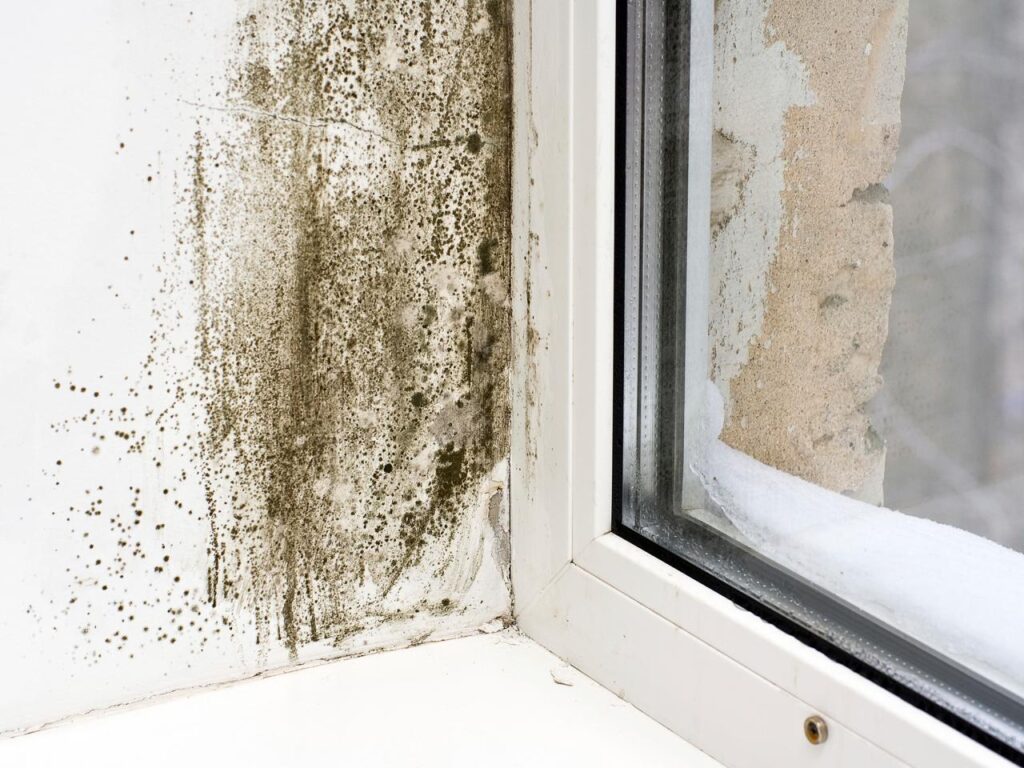
Most homeowners notice surface mold first.
Surface Mold
- Black spotting on grout
- Discoloration on caulk
- Mold around tub edges
- Growth on shower ceilings
Surface mold is common in Rockledge bathrooms. In many cases, it’s manageable with proper cleaning and improved ventilation.
But surface growth sometimes signals something deeper.
Hidden Mold
Hidden mold may develop:
- Behind shower tile
- Inside drywall
- Under bathroom flooring
- Above ceilings
- Inside attic insulation
We often inspect homes in Rockledge and Merritt Island where bathroom mold extended into adjacent walls without the homeowner realizing it.
That’s where inspection becomes important.
Common Signs of Bathroom Mold Problems
Even if you don’t see obvious mold, your bathroom may show warning signs.
Persistent Musty Odor
If the bathroom smells damp even when clean, moisture may be trapped behind surfaces.
Peeling Paint or Bubbling Walls
This often indicates moisture buildup inside drywall.
Soft Spots in Flooring
In slab homes throughout Palm Bay and Rockledge, slow plumbing leaks may affect subfloor materials.
Ceiling Stains
Brown or yellow discoloration can signal roof leaks or attic moisture intrusion.
Mold Returning After Cleaning
If mold reappears quickly after surface cleaning, the underlying moisture problem may still be present.
Bathrooms are small spaces, but moisture problems there can affect larger areas of the home.
Why Rockledge’s Climate Makes It Worse
Rockledge sits inland from Cocoa Beach but still experiences high coastal humidity.
Homes here face:
- Long cooling seasons
- Afternoon thunderstorms
- Hurricane-driven rain
- Elevated attic temperatures
High humidity reduces evaporation. That means bathroom moisture lingers longer than homeowners expect.
During summer in Brevard County, indoor humidity can remain above 60% even with the AC running.
When moisture lingers, mold grows.
Why DIY Cleaning Often Doesn’t Solve the Problem
It’s common to reach for bleach or a household cleaner when mold appears on grout.
Surface cleaning may remove visible staining, but it does not:
- Eliminate moisture behind tile
- Repair failed caulking
- Fix plumbing leaks
- Improve ventilation
Bleach also doesn’t penetrate porous materials deeply.
If mold keeps returning in the same area, there’s likely a moisture source that hasn’t been addressed.
We’ve seen homes in Melbourne and Titusville where repeated cleaning masked the issue while mold continued spreading inside the wall cavity.
What a Professional Bathroom Mold Inspection Involves
A proper inspection goes beyond what’s visible.
At Brevard Mold Inspections & Removal, bathroom-related mold inspections typically include:
Detailed Visual Assessment
We examine:
- Shower enclosures
- Tub surrounds
- Sink cabinets
- Baseboards
- Ceilings
- Attic space above the bathroom
Moisture Detection
Using moisture meters, we check behind walls and under flooring for elevated moisture levels.
Ventilation Evaluation
We verify whether bathroom fans vent properly outside or into the attic.
Humidity Measurement
Indoor humidity levels are measured to determine environmental contribution.
Air or Surface Sampling (When Needed)
If contamination appears widespread or indoor air concerns exist, samples may be sent to a certified lab.
The goal is identifying both mold and its moisture source.
What Happens If Mold Is Found
The approach depends on the extent of growth.
Minor surface mold may require:
- Improved ventilation
- Caulk replacement
- Humidity control
More extensive growth behind walls may require:
- Containment of the affected area
- Removal of damaged drywall
- Correction of leaks or ventilation issues
- HEPA filtration during remediation
In many Rockledge homes, bathroom mold issues are manageable when caught early.
The key is addressing moisture first.
How to Prevent Bathroom Mold in Brevard County
Prevention is practical and focused on moisture control.
Use Exhaust Fans Every Time You Shower
Run the fan during the shower and for at least 20 minutes afterward.
Ensure Proper Venting
Make sure the fan vents outside, not into the attic.
Keep Indoor Humidity Below 60%
Use dehumidifiers if necessary, especially during summer.
Repair Caulk and Grout Regularly
Small gaps allow water intrusion behind tile.
Fix Plumbing Leaks Immediately
Even slow drips under sinks can lead to hidden growth.
Inspect Attic Spaces Periodically
Bathrooms that vent improperly often create attic mold issues.
Homes in Cape Canaveral, Satellite Beach, and Cocoa Beach face similar bathroom mold risks due to coastal humidity.
Why Local Experience in Brevard County Matters
Bathroom mold in Rockledge isn’t the same as bathroom mold in a dry climate.
Local inspectors understand:
- Coastal humidity patterns
- Slab foundation moisture behavior
- Attic heat buildup
- Hurricane-driven rain exposure
- Florida building materials
At Brevard Mold Inspections & Removal, inspections are conducted with Brevard County’s unique conditions in mind.
Homes in Viera may have newer ventilation systems. Older homes in Titusville may have outdated exhaust setups. Coastal properties in Cocoa Beach face different challenges altogether.
Understanding these differences helps identify root causes quickly.
When to Schedule a Bathroom Mold Inspection
You may want to consider an inspection if:
- Mold returns quickly after cleaning
- You smell persistent mustiness
- You’ve had recent plumbing leaks
- Ceiling stains appear near the bathroom
- Flooring feels soft or uneven
- You’re buying or selling a home
Bathroom mold problems are common — but they don’t have to become major repairs.
A Calm, Practical Next Step
Mold in a Rockledge bathroom doesn’t mean your home is unsafe. It means moisture needs attention.
If you’re in Rockledge or anywhere in Brevard County — including Melbourne, Palm Bay, Merritt Island, Titusville, Cocoa, Cocoa Beach, Satellite Beach, Viera, or Cape Canaveral — and you’re concerned about bathroom mold, a professional inspection can provide clarity.
Brevard Mold Inspections & Removal offers careful, straightforward evaluations focused on identifying moisture sources and explaining your options clearly.
Understanding what’s happening behind your bathroom walls is the first step toward protecting your home long-term.