
Mold in Bathrooms in Rockledge: What Homeowners in Brevard County Should Know
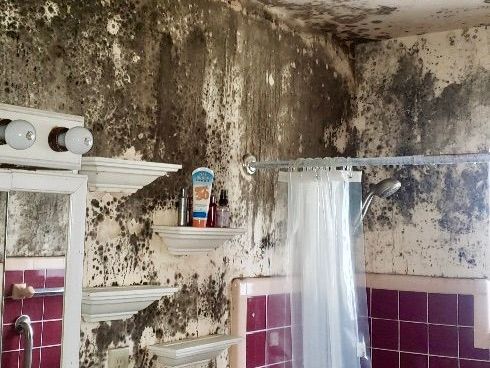
Bathrooms are one of the most common places mold shows up in homes across Rockledge. Many homeowners notice it first as a faint musty smell, dark spots on the ceiling, or discoloration in grout lines. Because bathrooms deal with daily moisture, mold here is often dismissed as normal. In Brevard County’s humid climate, however, bathroom mold usually signals a moisture issue that deserves attention.
Rockledge homes face a mix of coastal humidity, frequent rain, and year-round air conditioning. These conditions make it easy for moisture to linger in bathrooms, especially when ventilation or drying isn’t working as it should. Understanding why bathroom mold is so common, where it hides, and what actually prevents it from returning helps homeowners avoid ongoing frustration.
Why Bathrooms Are High-Risk Areas for Mold
Bathrooms create ideal conditions for mold growth. Hot showers release large amounts of steam, raising humidity levels quickly.
In Rockledge, the air is already humid before showers even start. When that extra moisture isn’t removed efficiently, it settles on ceilings, walls, drywall, grout, and inside wall cavities.
Bathrooms also tend to have limited airflow compared to other rooms. Without consistent ventilation, moisture stays trapped long enough for mold to begin growing.
Why Bathroom Mold Is Common in Rockledge Homes
Rockledge experiences high humidity most of the year, not just during storm season. Moist air slows evaporation, meaning wet surfaces take longer to dry.
Storms and heavy rain increase indoor humidity even more, especially if windows and doors are opened or air conditioning cycles are interrupted. After storms, bathrooms often struggle to dry out between uses.
Many homes rely on exhaust fans that are undersized, poorly maintained, or rarely used long enough to clear moisture. Some fans vent into attic spaces instead of outdoors, which actually increases mold risk.
Common Places Mold Appears in Bathrooms
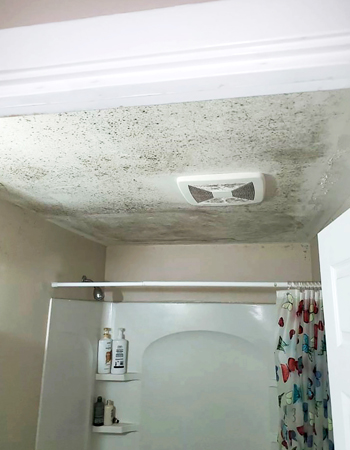
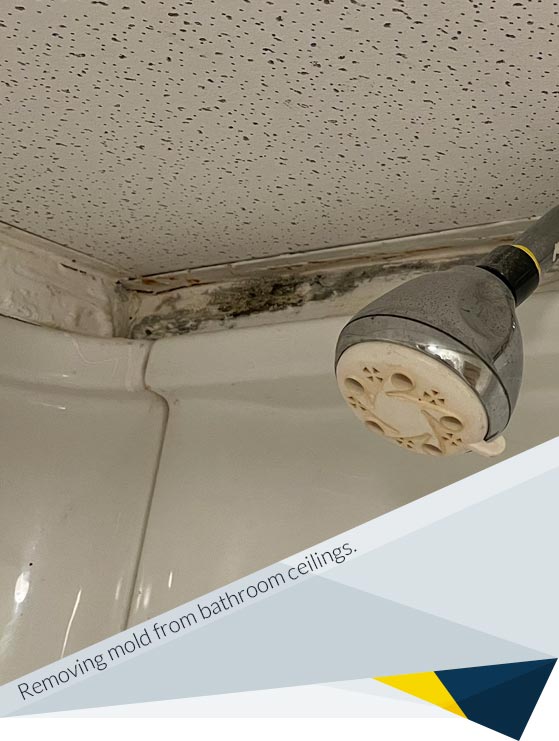
Bathroom ceilings are one of the most frequent problem areas. Warm, moist air rises during showers and condenses on cooler ceiling surfaces.
Around tubs and showers, mold often appears in grout lines, caulking, and behind tile. These materials absorb moisture and dry slowly.
Under sinks is another overlooked location. Small plumbing leaks or condensation on pipes can keep cabinets damp without obvious signs.
Exhaust fan housings and the surrounding drywall commonly develop mold when fans don’t move enough air or aren’t vented correctly.
Hidden Mold Behind Bathroom Surfaces
Visible mold is often only part of the issue. In many Rockledge homes, mold grows behind drywall or tile long before it’s seen.
Moisture can seep through cracked grout, failing caulk, or drywall seams and enter wall cavities. Once inside, mold can spread quietly for weeks or months.
This is why cleaning visible mold often provides only temporary relief.
Signs Bathroom Mold May Be More Than Surface-Level
Recurring mold that returns quickly after cleaning is a major warning sign. Persistent musty odors that don’t improve with ventilation are another.
Peeling paint, bubbling drywall, warped trim, or soft spots around tubs, showers, or ceilings suggest moisture damage beneath the surface.
Bathrooms that stay damp long after showers or feel humid even when the rest of the home feels comfortable often indicate deeper moisture issues.
The Importance of Proper Ventilation
Ventilation is one of the most critical factors in preventing bathroom mold.
Exhaust fans should remove moist air during and after showers. Many older fans are too weak, clogged with dust, or not used consistently.
Fans must vent outdoors. Fans that dump moist air into attics or wall cavities move the problem rather than solving it, often leading to attic or wall mold.
Using a properly vented fan long enough to clear residual moisture makes a noticeable difference.
Why Cleaning Alone Doesn’t Fix Bathroom Mold
Surface cleaning improves appearance but rarely fixes the problem.
Bleach and household cleaners do not penetrate porous materials like drywall, wood, or grout backing. Mold often remains active beneath the surface and returns once moisture conditions stay the same.
Scrubbing mold without containment can also release spores into the air, allowing them to settle elsewhere in the bathroom or home.
Bathroom mold is a moisture problem first, not a cleaning problem.
How Bathroom Mold Can Affect the Rest of the Home
Bathrooms are connected to the rest of the house through airflow. Moist air and odors can move into hallways, bedrooms, and living areas.
If mold spreads into wall cavities or attic spaces, its effects extend well beyond the bathroom. Many homeowners notice musty smells elsewhere before realizing the bathroom is the source.
Addressing bathroom mold early helps protect overall indoor comfort.
Professional Mold Inspection for Bathroom Issues
A professional mold inspection looks beyond visible growth. Inspectors evaluate moisture levels, ventilation effectiveness, and building materials around bathrooms.
This often includes ceilings, walls, under sinks, adjacent rooms, attics above bathrooms, and nearby HVAC components.
Moisture meters and thermal imaging tools help locate damp materials behind surfaces. When appropriate, air or surface sampling may be used to support findings.
An inspection helps determine whether mold is limited to surface areas or part of a larger moisture issue.
Proper Mold Remediation in Bathrooms
Effective bathroom mold remediation addresses both mold growth and the moisture causing it.
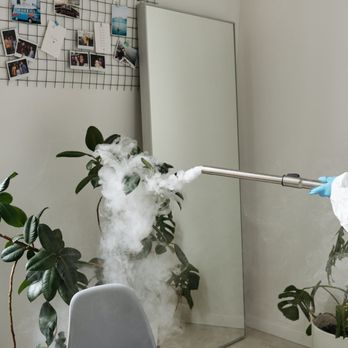
Containment may be used to prevent spores from spreading during removal. Mold-affected drywall or insulation may need removal if contamination is deep.
Surfaces that can be saved are cleaned using methods designed for mold, not household cleaners.
Just as important, ventilation problems, plumbing leaks, and humidity issues must be corrected. Without moisture control, mold is likely to return.
Brevard Mold Inspections & Removal approaches bathroom mold with a prevention-focused mindset rather than surface-level cleanup.
Preventing Bathroom Mold Going Forward
Consistent ventilation is key. Use exhaust fans during showers and leave them running afterward to remove residual moisture.
Maintain caulking and grout to prevent water from entering walls. Repair plumbing leaks promptly, even small ones.
Allowing bathroom doors to remain open after showers helps moisture dissipate. Regular AC maintenance supports overall humidity control.
In Rockledge homes, prevention requires ongoing attention due to the local climate.
Why Local Experience in Brevard County Matters
Bathroom mold behaves differently in Florida than in drier climates. High humidity, storms, slab foundations, and building styles all influence how moisture accumulates and dries.
Local experience means understanding where bathroom mold typically develops in Rockledge homes and how to prevent it effectively.
Professionals familiar with Brevard County conditions know which solutions actually work long-term.
A Calm, Practical Takeaway
Bathroom mold in Rockledge is common, but it doesn’t have to become a recurring problem. The key is addressing moisture and ventilation rather than relying on repeated cleaning.
If mold keeps returning, odors persist, or bathroom surfaces show signs of moisture damage, it’s worth looking deeper. A professional inspection can provide clear answers without pressure.
Homeowners across Brevard County benefit from early action and moisture-focused solutions. Brevard Mold Inspections & Removal helps homeowners identify bathroom mold issues, understand the underlying causes, and take practical steps to protect their homes.
Handled correctly, bathroom mold becomes a manageable issue instead of a constant frustration.