
Mold in Bathrooms in Rockledge: What Homeowners in Brevard County Should Know
Bathrooms are one of the most common places mold shows up, especially for homeowners in Rockledge. Between daily showers, warm temperatures, and Florida’s naturally high humidity, bathrooms create the perfect environment for moisture to linger. When that moisture doesn’t dry out fast enough, mold often follows.
In Brevard County, bathroom mold is rarely about poor cleaning habits. More often, it’s tied to ventilation issues, hidden plumbing moisture, or the simple reality of living in a humid coastal climate. Understanding why bathroom mold develops in Rockledge homes—and how to deal with it properly—helps prevent small problems from turning into ongoing headaches.
Why Bathrooms Are a Mold Hotspot in Rockledge
Bathrooms concentrate moisture in a small, enclosed space.
Hot showers release a large amount of water vapor into the air. That steam rises and settles on ceilings, walls, mirrors, and fixtures. In Rockledge, where outdoor humidity is already high, moisture evaporates more slowly than many homeowners expect.
Brevard County homes also rely heavily on air conditioning, but AC systems are not designed to dry bathrooms quickly after showers. If exhaust fans are weak, undersized, or not used long enough, moisture can remain trapped for hours.
Over time, repeated moisture exposure creates ideal conditions for mold growth.
What Bathroom Mold Commonly Looks Like
Bathroom mold doesn’t always start as thick, obvious patches.
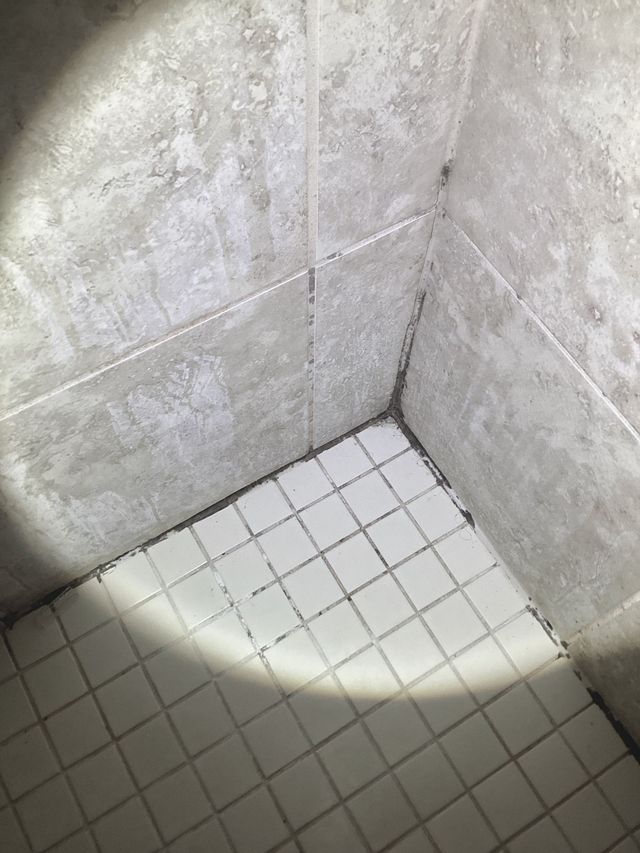
Early signs often include small dark spots on ceilings, especially above showers or tubs. Grout lines may begin to darken or look dirty even after cleaning. Caulk around tubs, showers, or sinks may discolor, peel, or soften.
In Rockledge homes, mold may appear gray, green, or black. Because bathrooms are cleaned frequently, homeowners are often surprised by how quickly mold returns—even after scrubbing.
A musty or earthy smell is often one of the first warning signs, sometimes appearing before visible mold does.
Common Hidden Mold Areas in Bathrooms
Bathroom mold is not always where you can see it.
Ceilings are a major problem area. Warm steam rises and condenses on cooler surfaces, soaking into drywall if ventilation is inadequate.
Under sinks, slow plumbing leaks or condensation on pipes can keep cabinet interiors damp for long periods. Mold may grow inside cabinets before it’s visible on the outside.
Behind walls, water can seep through cracked grout or deteriorated caulk. That moisture feeds mold inside drywall and insulation, often without any obvious surface damage at first.
Around exhaust fans, dust and moisture can collect inside the fan housing or on nearby surfaces, creating another overlooked mold source.
Why Bathroom Mold Keeps Coming Back
Recurring bathroom mold is one of the most common frustrations homeowners face.
The main reason mold returns is that moisture conditions haven’t changed. Cleaning removes visible mold, but it doesn’t address humidity, ventilation, or hidden moisture.
In Rockledge homes, mold often comes back because:
- Exhaust fans are weak or undersized
- Fans aren’t used long enough after showers
- Fans vent into attics instead of outdoors
- Indoor humidity stays elevated
Without correcting these conditions, mold will continue to reappear—no matter how often surfaces are cleaned.
The Role of Ventilation in Bathroom Mold
Ventilation is one of the most important factors in preventing bathroom mold.
Bathroom exhaust fans should vent outdoors and be sized appropriately for the room. Fans need to be used during showers and for at least 15–20 minutes afterward to remove lingering moisture.
In many homes, fans are noisy or ineffective, so they’re rarely used. Older fans may run but move very little air.
Improving ventilation alone often leads to a noticeable reduction in moisture buildup and mold recurrence.
Plumbing Issues That Contribute to Bathroom Mold
Plumbing problems are another major contributor to bathroom mold.
Slow leaks under sinks, behind toilets, or inside walls may not cause immediate water damage. Instead, they keep surrounding materials slightly damp over time.
Shower pans, grout, and caulk can also allow water to seep behind walls when they crack or deteriorate. Because this moisture is hidden, mold may grow extensively before homeowners realize what’s happening.
In Rockledge, these slow, unnoticed moisture sources are a common reason bathroom mold becomes persistent.
Why DIY Cleaning Often Isn’t Enough
Most homeowners try to manage bathroom mold with household cleaners or bleach.
While this may improve appearance temporarily, it rarely addresses mold growing inside porous materials like drywall, grout, or wood. Bleach does not penetrate these materials effectively and can add moisture to already damp areas.
Scrubbing visible mold without fixing moisture often leads to faster regrowth. In Florida’s humid climate, cleaning alone is usually a short-term fix.
When Bathroom Mold Signals a Bigger Problem
Sometimes bathroom mold is limited to surface areas. Other times, it’s a warning sign.
Mold may indicate a larger issue when:
- It returns quickly after cleaning
- It appears on ceilings or walls away from direct water contact
- Musty odors spread beyond the bathroom
- The home has a history of leaks or storm damage
In these cases, moisture may be affecting walls, attics, or HVAC systems beyond the bathroom itself.
How Professional Inspections Help With Bathroom Mold
A professional mold inspection looks beyond visible growth.
Inspections typically include evaluating bathroom surfaces, plumbing areas, ventilation systems, and adjacent walls or ceilings. Moisture meters help detect dampness behind walls or under cabinets.
Inspectors also assess whether exhaust fans are functioning properly and whether indoor humidity is contributing to repeated mold growth.
When appropriate, air or surface samples may be collected and sent to an independent laboratory to document mold presence and guide next steps.
Local professionals such as Brevard Mold Inspections & Removal focus on identifying moisture patterns specific to Rockledge homes—not just cleaning what’s visible.
Proper Mold Removal in Bathrooms
When mold growth goes beyond surface staining, proper removal focuses on both cleanup and moisture control.
This may involve removing affected drywall, replacing damaged caulk or grout, cleaning or treating surfaces appropriately, and correcting ventilation or plumbing issues.
Containment may be used during removal to prevent mold from spreading to other areas of the home.
The goal is not just to remove mold, but to create conditions where it won’t return.
Practical Prevention Steps for Rockledge Homeowners
Consistent habits make a big difference.
Using exhaust fans every time the shower is used—and leaving them on afterward—helps remove lingering moisture. Repairing small plumbing leaks promptly prevents hidden moisture buildup.
Keeping caulk and grout in good condition limits water intrusion behind walls. Maintaining HVAC systems helps control whole-home humidity, which directly affects bathroom mold risk.
Bathrooms don’t exist in isolation. Overall moisture control matters.
Why Local Experience Matters
Bathroom mold issues aren’t the same everywhere.
Rockledge homes face Florida humidity, slab foundations, frequent storms, and long cooling seasons. Local experience helps professionals understand where moisture tends to linger and why bathroom mold behaves the way it does here.
Generic advice often misses these regional details.
A Practical Takeaway for Rockledge Homeowners
Mold in bathrooms is common in Rockledge, but it doesn’t have to be constant.
Most bathroom mold problems stem from moisture that isn’t drying fast enough. By improving ventilation, addressing plumbing issues early, and recognizing when mold signals a bigger problem, homeowners can keep bathrooms cleaner and drier long-term.
When mold keeps returning or spreads beyond surface areas, a professional evaluation can provide clarity. With the right approach and local expertise, bathroom mold becomes a manageable issue—not an ongoing frustration—for Rockledge homeowners.