
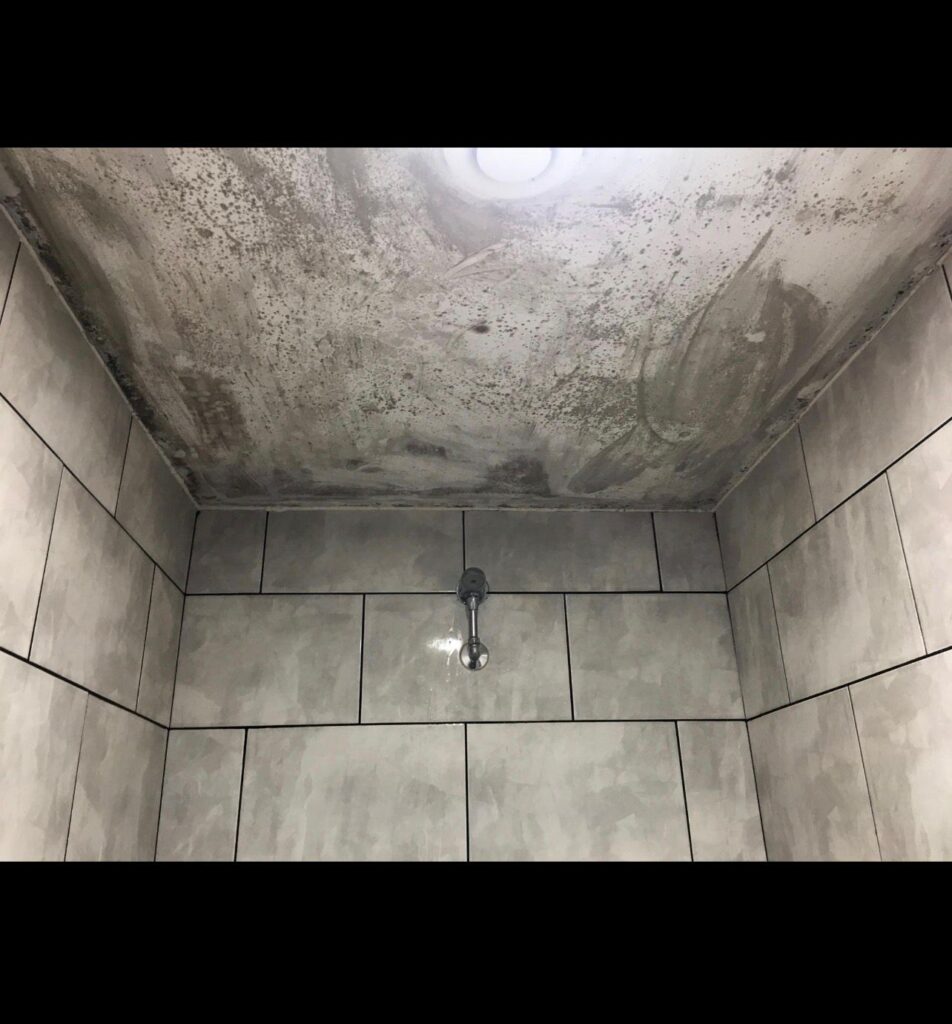
Mold in Bathrooms in Rockledge: What Homeowners in Brevard County Should KnowBathrooms are one of the top places mold shows up in your Rockledge home — and for good reason: heat, humidity, steam, and poor airflow make the perfect breeding ground. But mold isn’t just ugly — it can damage surfaces, aggravate allergies, and lower your home’s value. Here’s a clear, homeowner-friendly guide on what you need to know.⸻🧠 Why Bathrooms in Brevard County Are Prone to MoldRockledge’s warm, humid climate — especially in summer — keeps moisture in the air. Combine that with daily showers and baths, and bathroom humidity can easily exceed 60–70%, creating ideal conditions for mold spores to settle and grow.Common factors that fuel bathroom mold: • Inadequate ventilation (no fan or windows left closed) • Poor waterproofing around showers/tubs • Leaky fixtures or tiles • Wet towels and bathmats left inside • Cracked grout or caulk that holds waterEven if your bathroom looks clean, microscopic mold spores can settle in grout lines, corners, and behind cabinets.⸻⚠️ Where Mold Hides in BathroomsMold doesn’t always appear as obvious black spots. Sometimes it’s subtle, fuzzy, or discolored.Typical places to check: • Ceiling above the shower • Tile grout and corners • Around bathtubs and shower doors • Behind toilet and vanities • Under sinks and around plumbing leaks • On damp towels or rugsIf you see black, green, or gray patches or notice a musty smell, that’s a strong sign mold is present.⸻🧬 Is Mold Harmful? Health & Property RisksNot all mold is dangerous, but many common bathroom molds — like Cladosporium, Aspergillus, and Stachybotrys — can trigger issues, especially with prolonged exposure.Potential concerns: • Allergies & irritation: sneezing, itchy eyes, sore throat • Asthma aggravation: especially for sensitive individuals • Structural damage: mold breaks down drywall, wood, and grout • Odors: persistent musty smells that won’t go awayIgnoring mold doesn’t make it go away — it spreads.⸻🔍 Identifying Mold vs. MildewHomeowners often confuse mold and mildew. Here’s a quick cheat sheet:Feature Mildew MoldAppearance Powdery, white/gray Fuzzy or slimy, various colorsSmell Mild Strong, mustyDamage Surface only Can penetrate and damageCommon in Tile surfaces Deep in walls/fixturesIf what you’re seeing feels deeper than a surface stain, treat it as mold and act accordingly.⸻🛠️ DIY Mold Removal: What Works (and What Doesn’t)For small, well-ventilated areas, you can start with safe, home remedies:✅ Steps for light mold patches 1. Ventilate first: open window + run fan 2. Wear protection: gloves + mask 3. Mix cleaner: • 1 cup white vinegar + water in a spray bottle(or a gentle bathroom cleaner formulated for mildew) 4. Spray affected area 5. Let sit 10–15 minutes 6. Scrub with a soft brush 7. Rinse and dry thoroughly❌ Avoid these • Bleach on porous surfaces: It kills surface mold but doesn’t penetrate grout or drywall • Dry scraping: Can spread spores • Strong DIY acids: Risk of damaging tiles or causing fumesIf the patch keeps returning after cleaning, that’s usually a sign of moisture still present or mold hidden behind surfaces — and you’ll need a deeper inspection.⸻📏 When You Need a ProfessionalSome situations call for expert help: • Mold spreading over 10 square feet • Mold inside walls or ceilings • Recurring mold after DIY cleaning • Signs of hidden water leaks • Health symptoms worsening when at homeA trained mold inspector can locate hidden growth, determine moisture sources, and recommend safe remediation — particularly important when mold gets behind drywall or cabinetry.⸻💨 Real Strategies to Prevent Mold in Your BathroomPrevention is the best defense — and it doesn’t have to be complicated.✔️ Install or Improve Ventilation • Use a quality exhaust fan rated for your bathroom size • Run fan during showers + 20 minutes after • Let windows open if weather allows✔️ Reduce Moisture • Wipe down wet surfaces after use • Hang towels to dry outside bathroom • Fix leaks immediately✔️ Maintain Sealants • Check and re-caulk tubs, showers, and sinks yearly • Replace cracked grout or sealant✔️ Routine Checks • Look for stains, peeling paint, or bubbling • Note any musty odors early⸻🏡 Choosing the Right Fan for Your BathroomA fan that’s too small won’t move enough air. Look for: • A size measured in CFM (cubic feet per minute) • Rule of thumb: 1 CFM per square foot of bathroom space • Higher CFM if you have a tub + shower comboEven a simple upgrade can reduce humidity dramatically.⸻🧼 A Final Word for Rockledge HomeownersMold in bathrooms isn’t just an aesthetic issue — it’s a moisture problem. In Rockledge’s humid environment, it’s almost expected unless you take steps to control steam, airflow, and water leaks.Little actions add up:✔ Keep air moving✔ Dry surfaces✔ Fix leaks fast✔ Track problem areas✔ Call a pro if it’s extensiveYour bathroom shouldn’t be a mold magnet — with the right approach, you can keep it clean, healthy, and mold-free year-round.⸻If you want, I can tailor a checklist you can print for regular bathroom mold inspections in Brevard County!