
Mold in Crawl Spaces in Melbourne: What Homeowners in Brevard County Should Know
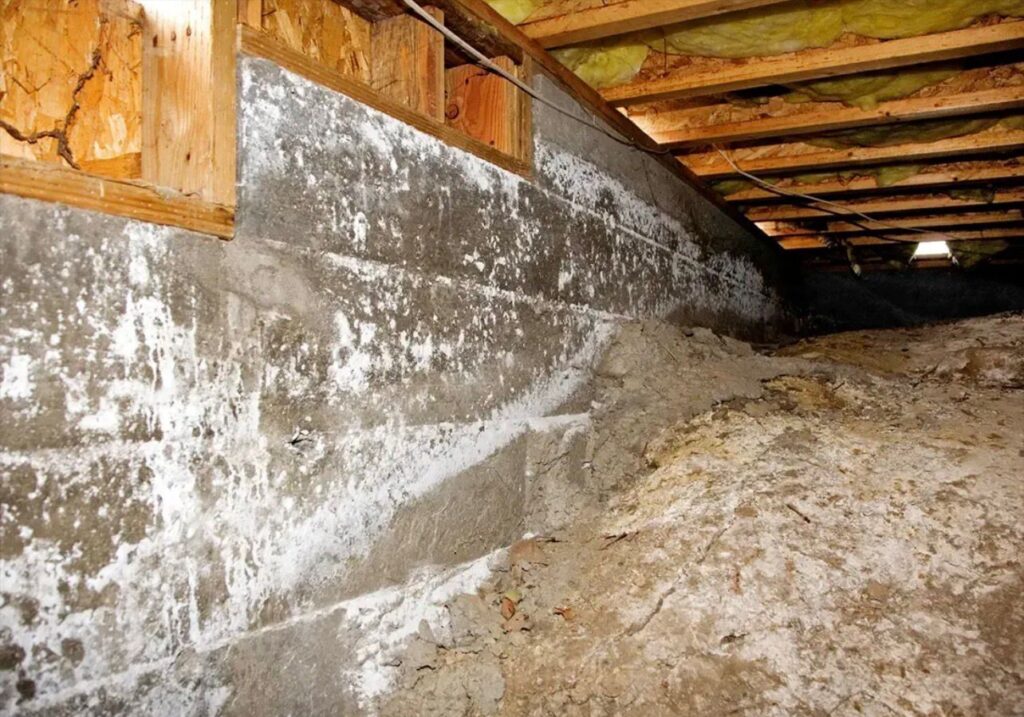
Mold in Crawl Spaces in Melbourne: What Homeowners in Brevard County Should KnowCrawl spaces are one of the most common—and most overlooked—areas for mold growth in Melbourne homes. Florida’s high humidity, heavy rainfall, and naturally damp ground conditions allow moisture to build up beneath homes, creating the perfect environment for mold to thrive.Because crawl spaces are out of sight, mold can grow undetected for long periods, affecting indoor air quality and the structural components of the home above.⸻Why Crawl Spaces Are High-Risk Areas in MelbourneCrawl spaces naturally trap moisture, and Melbourne’s climate makes the problem worse.Common contributing factors include: • High groundwater levels • Poor drainage around the home • Flooding or heavy rain infiltration • Inadequate ventilation • Plumbing leaks beneath the home • Missing or damaged vapor barriersOnce moisture enters a crawl space, it tends to linger.⸻Where Mold Commonly Grows in Crawl SpacesMold spreads quickly across organic materials found in crawl spaces.Common mold locations include: • Wooden floor joists and beams • Subflooring • Insulation • Vapor barriers • Foundation wallsOver time, mold can weaken structural components and spread upward into living areas.⸻Signs of Mold in Your Crawl SpaceMany homeowners notice symptoms before they ever look under the house.Warning signs include: • Musty odors inside the home • Floors that feel damp or cold • Increased allergy or respiratory symptoms • Mold visible near floor vents or baseboards • Past flooding or plumbing issuesIf these signs appear, crawl space mold may already be established.⸻Health and Structural Risks of Crawl Space MoldCrawl space mold doesn’t stay contained below the home.Potential risks include: • Mold spores entering living spaces through airflow • Reduced indoor air quality • Wood rot and structural weakening • Increased energy costs • Ongoing moisture problemsBecause air naturally moves upward, crawl space mold can impact the entire home.⸻Why DIY Crawl Space Cleanup Is RiskyCrawl spaces are difficult and unsafe environments for DIY mold cleanup.Common DIY risks: • Exposure to high mold spore levels • Incomplete removal of hidden mold • Disturbing contaminated insulation • Failing to address moisture sourcesWithout proper equipment and containment, mold often returns quickly.⸻How Professionals Address Crawl Space MoldProfessional remediation focuses on removal and long-term moisture control.Inspection & Moisture AssessmentSources of water intrusion and humidity are identified.ContainmentAffected areas are isolated to prevent spore spread.Mold Removal & TreatmentMold is removed from wood, insulation, and surfaces.Moisture Control SolutionsVapor barriers, drainage improvements, and dehumidification are installed as needed.⸻Preventing Mold in Melbourne Crawl SpacesPrevention depends on keeping crawl spaces dry.Effective prevention steps include: • Installing or repairing vapor barriers • Improving drainage around the foundation • Sealing crawl space vents when appropriate • Using crawl space dehumidifiers • Fixing plumbing leaks promptlyThese measures help create a dry, mold-resistant environment.⸻Final ThoughtsMold in crawl spaces in Melbourne is a serious issue that often goes unnoticed until it affects the rest of the home. Because crawl spaces influence indoor air quality and structural health, mold problems there should be addressed promptly.Early detection, proper moisture control, and professional remediation help protect your home, your health, and your long-term investment. If you’d like, I can continue with more Melbourne or Brevard County mold-related topics using this same structure and image style.