
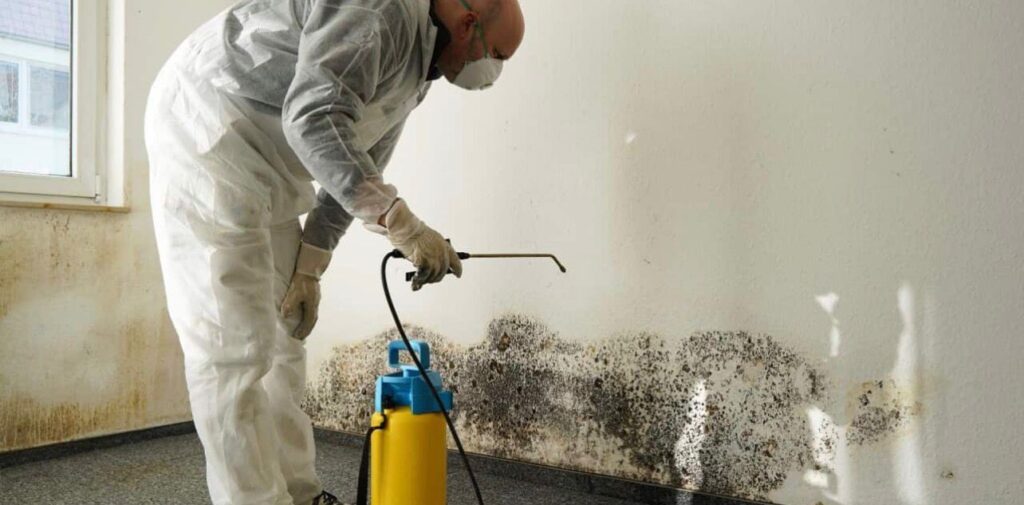
Mold in Crawl Spaces in Melbourne: What Homeowners in Brevard County Should Know
If your home in Melbourne has a crawl space, chances are you don’t think about it very often. It’s out of sight, rarely visited, and easy to forget about.
But in Brevard County, crawl spaces are one of the most common areas where mold quietly develops.
Between Florida’s high humidity, heavy summer rainfall, hurricanes, and warm ground temperatures, crawl spaces in Melbourne and nearby areas like Palm Bay, Rockledge, Viera, and Merritt Island face constant moisture pressure.
If you own a home with a raised foundation, understanding how mold forms underneath your house — and what to look for — can prevent larger structural issues later.
Why Crawl Spaces Are Vulnerable in Melbourne
Crawl spaces sit directly above the ground. In Florida, that ground holds moisture year-round.
After heavy rainfall — especially during hurricane season — soil becomes saturated. That moisture evaporates upward into the crawl space. When ventilation isn’t balanced or vapor barriers are damaged, humidity levels underneath the home rise quickly.
Melbourne’s coastal climate compounds the issue. Even without flooding, ambient humidity remains high.
Crawl spaces often contain:
- Wood floor joists
- Subfloor decking
- Insulation
- HVAC ductwork
- Plumbing lines
All of these materials can absorb moisture.
When they stay damp long enough, mold begins to grow.
How Mold Develops Underneath the Home
Mold in crawl spaces usually starts because of one or more of these conditions:
Ground Moisture
If the vapor barrier (plastic sheeting on the ground) is missing, torn, or poorly installed, ground moisture rises into the crawl space.
In many older Melbourne homes, vapor barriers were never installed properly.
Poor Ventilation
Some crawl spaces have vents that allow outdoor air to enter. In Florida, that outdoor air is humid.
When humid air enters and becomes trapped, condensation forms on wood framing and ductwork.
Plumbing Leaks
Slow leaks from supply lines or drain pipes under the home often go unnoticed.
By the time staining appears inside the house, mold may already be growing underneath.
HVAC Duct Condensation
Cold AC ducts running through a hot, humid crawl space can sweat.
This condensation collects on nearby wood framing.
In Brevard County homes where AC runs most of the year, this is common.
Storm and Flood Exposure
Even minor water intrusion during hurricanes or heavy storms in Satellite Beach, Cocoa, or Melbourne can saturate crawl space materials.
Flooding doesn’t have to be dramatic to create moisture issues.
Signs Mold May Be Growing in Your Crawl Space
Because crawl spaces are hidden, the signs often show up inside the home first.
Homeowners in Melbourne and Palm Bay often notice:
- Musty odors throughout the house
- Soft or sagging floors
- Warped wood flooring
- Increased indoor humidity
- Mold appearing along baseboards
- Allergy-like irritation indoors
In some cases, the first clue is flooring that feels slightly spongy.
Moisture underneath affects the structure above.
Why Crawl Space Mold Shouldn’t Be Ignored
Mold under the home can impact:
- Structural wood framing
- Subfloor integrity
- Indoor air quality
- HVAC system cleanliness
Air from crawl spaces can rise into the living area through small gaps in flooring and wall penetrations.
In humid areas like Merritt Island and Rockledge, we often see crawl space moisture contributing to mold elsewhere in the home.
Ignoring the space underneath can lead to broader indoor issues.
Why DIY Solutions Often Miss the Real Problem
Homeowners sometimes attempt quick fixes such as:
- Spraying surface mold with cleaner
- Adding small fans
- Replacing a small vapor barrier section
- Installing temporary dehumidifiers
While these may help temporarily, they rarely address the root cause.
If ventilation is unbalanced or ground moisture remains uncontrolled, mold will return.
Surface cleaning does not dry saturated insulation or wood framing.
In Florida’s climate, moisture control must be comprehensive.
How Professional Crawl Space Inspections Work
A proper inspection focuses on identifying moisture patterns first.
In Melbourne homes, this typically includes:
Visual Evaluation
Inspecting wood joists, subfloor materials, insulation, and ductwork.
Moisture Measurements
Using professional moisture meters to assess wood and insulation moisture levels.
Vapor Barrier Assessment
Checking the condition, coverage, and installation of ground barriers.
HVAC and Plumbing Review
Looking for duct condensation and plumbing leaks.
Air Sampling (If Necessary)
In cases where crawl space mold may be affecting indoor air, testing can help determine impact.
The goal is to understand the source of moisture before recommending solutions.
Proper Mold Remediation in Crawl Spaces
If mold is confirmed, remediation usually involves several steps.
These may include:
- Containing the affected area
- Cleaning or removing contaminated materials
- Replacing insulation
- Installing or repairing vapor barriers
- Sealing air leaks
- Adjusting ventilation
- Drying the crawl space thoroughly
Sometimes encapsulation — sealing the crawl space with a heavy-duty vapor barrier and controlling humidity — is recommended for long-term stability.
In Brevard County’s humid climate, moisture control beneath the home often makes a significant difference indoors.
Preventing Crawl Space Mold in Melbourne
Homeowners can take proactive steps to reduce risk.
Here are practical strategies:
- Ensure full ground vapor barrier coverage
- Inspect crawl space annually
- Repair plumbing leaks immediately
- Insulate ductwork properly
- Monitor indoor humidity levels
- Keep exterior drainage directed away from foundation
- Inspect after hurricanes or heavy rain
In waterfront-adjacent areas like Merritt Island or Satellite Beach, added moisture control measures may be helpful.
Prevention is always more manageable than remediation.
Why Local Experience in Brevard County Matters
Crawl space mold in Melbourne behaves differently than in dry inland climates.
Here, we deal with:
- High water tables
- Coastal humidity
- Hurricane rainfall
- Warm soil temperatures
- Continuous AC use
Homes in Viera may have different foundation designs than older properties in Cocoa or Titusville.
Understanding how Brevard County construction interacts with Florida moisture patterns makes inspections more accurate.
Local experience allows for solutions that address climate realities — not generic assumptions.
A Calm, Practical Next Step
If you suspect mold in your crawl space — whether from musty odors, soft flooring, or past storm exposure — a professional inspection can provide clarity.
Most crawl space mold issues are manageable when addressed early.
There’s no need for alarm, but there is value in understanding the conditions underneath your home.
If you’d like a thorough crawl space evaluation, Brevard Mold Inspections & Removal provides experienced, locally informed inspections tailored specifically to Brevard County homes.
Managing moisture beneath your home protects everything above it.