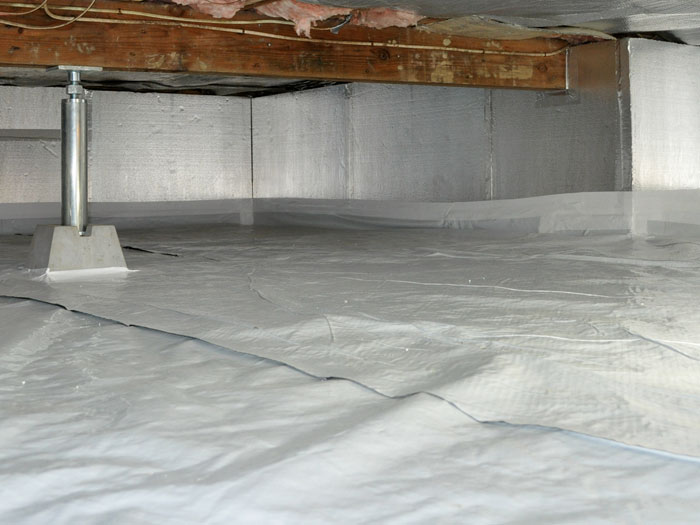
Mold in Crawl Spaces in Melbourne: What Homeowners in Brevard County Should Know
Crawl spaces are one of the most overlooked areas of a home—and in Melbourne, they’re also one of the most common places for mold to develop. Many homeowners rarely enter their crawl space, if ever. Out of sight often means out of mind, which allows moisture problems to persist unnoticed. In Brevard County’s warm, humid climate, that moisture can quickly turn into mold growth below the home.
Mold in crawl spaces is not unusual in Melbourne, and it’s not a sign of poor maintenance. It’s usually the result of Florida’s environmental conditions combined with limited airflow, ground moisture, and drainage challenges. Understanding how mold develops in crawl spaces, why it’s so common locally, and what can be done about it helps homeowners protect their homes without unnecessary worry.
Why Crawl Spaces Are Vulnerable to Mold in Melbourne
Crawl spaces sit directly between the home and the ground, making them naturally prone to moisture. In Melbourne, where humidity levels remain high for much of the year, crawl spaces often struggle to dry out once moisture enters.
Several local factors increase mold risk:
- High groundwater levels common in Brevard County
- Warm, humid outdoor air entering vents
- Poor drainage around foundations
- Limited airflow beneath the home
- Condensation forming on cooler surfaces
Unlike living spaces, crawl spaces are rarely conditioned or actively ventilated. Once moisture builds up, it can linger for long periods, creating ideal conditions for mold growth.
How Mold Commonly Starts in Crawl Spaces
Mold in crawl spaces usually develops slowly, not suddenly. Most issues begin with moisture that homeowners don’t realize is there.
Common moisture sources include:
- Ground moisture evaporating upward
- Rainwater pooling near the foundation
- Plumbing leaks beneath the home
- Condensation on ductwork or pipes
- Humid outdoor air entering through vents
Over time, moisture settles on wood framing, floor joists, insulation, and subfloor materials. Mold spores—naturally present in Florida’s air—take advantage of these damp conditions and begin to grow.
Why Melbourne’s Climate Makes Crawl Space Mold More Likely
Melbourne experiences long periods of humidity, frequent rain, and warm temperatures that allow mold to grow year-round. Even during drier months, moisture remains present in the air and soil.
Local environmental factors include:
- Afternoon rainstorms during much of the year
- Slow drying due to high humidity
- Homes kept closed and air-conditioned
- Warm crawl spaces with minimal airflow
In some neighborhoods, crawl spaces are shaded and stay cooler than outdoor air, which can cause condensation when humid air enters—adding to moisture buildup.
Signs Crawl Space Mold May Be Affecting Your Home
Because crawl spaces are hidden, homeowners often notice secondary signs rather than the mold itself.
Common indicators include:
- Musty odors inside the home
- Floors that feel damp or uneven
- Increased indoor humidity
- Mold odors strongest near floors
- Allergy-like discomfort indoors
In some cases, mold is discovered only during inspections, renovations, or plumbing work.
Where Mold Typically Grows in Crawl Spaces
In Melbourne homes, mold is most often found on materials that absorb or trap moisture.
Common growth areas include:
- Wooden floor joists and beams
- Subflooring beneath living spaces
- Insulation facing the crawl space
- Support piers and framing
- Areas near plumbing lines
Mold may appear as dark staining, patchy discoloration, or fuzzy growth on wood surfaces.
Why Crawl Space Mold Shouldn’t Be Ignored
Even though crawl spaces aren’t living areas, conditions below the home can affect the entire structure. Air from crawl spaces often moves upward into the home through small gaps, carrying moisture and odors with it.
Ignoring crawl space mold can lead to:
- Persistent musty smells indoors
- Increased indoor humidity
- Wood deterioration over time
- Reduced insulation effectiveness
- Ongoing moisture problems
Addressing crawl space issues early is usually simpler and less costly than waiting until damage spreads.
Why DIY Crawl Space Mold Cleanup Often Fails
Some homeowners attempt to treat crawl space mold themselves using sprays or surface treatments. While this may reduce visible staining temporarily, it rarely solves the underlying problem.
DIY approaches often fail because:
- Ground moisture remains uncontrolled
- Ventilation issues persist
- Mold roots stay embedded in wood
- Insulation contamination is overlooked
Without managing moisture at the source, mold will continue to return—sometimes spreading further than before.
The Role of Moisture Control in Crawl Space Mold
Moisture is the driving force behind crawl space mold. Effective solutions focus on controlling moisture rather than just removing mold.
Key moisture contributors include:
- Poor exterior drainage
- Exposed soil without vapor barriers
- Plumbing leaks
- Humid air entering through vents
- Condensation on pipes and ducts
Managing these conditions is essential for long-term mold control in Melbourne crawl spaces.
How Professional Crawl Space Mold Inspections Work
A professional crawl space mold inspection focuses on identifying both mold growth and moisture sources.
An inspection typically includes:
- Visual evaluation of framing and subfloor
- Moisture detection to locate damp materials
- Assessment of drainage and soil conditions
- Inspection of insulation and ductwork
- Evaluation of airflow and ventilation
The goal is to understand why mold is present and what needs to change to stop it from returning.
Brevard Mold Inspections & Removal approaches crawl space inspections with a calm, practical mindset—helping Melbourne homeowners understand what’s happening beneath their homes without exaggeration or pressure.
How Crawl Space Mold Is Properly Addressed
Proper crawl space mold remediation focuses on removal and prevention.
A correct approach may involve:
- Containment to prevent spores from spreading
- Removing or treating affected materials
- Addressing moisture sources and drainage
- Improving airflow or vapor control
- Ensuring the crawl space can dry properly
Every crawl space is different, so solutions are tailored to the home’s layout, soil conditions, and moisture patterns.
Crawl Space Mold vs General Humidity Issues
In some Melbourne homes, crawl space mold is part of a broader moisture problem affecting the entire house. High indoor humidity, condensation, and odors often originate below the home.
That’s why crawl space issues are rarely isolated. Addressing them can improve overall indoor comfort and reduce moisture-related problems elsewhere in the house.
Preventing Crawl Space Mold in Melbourne Homes
Prevention focuses on keeping crawl spaces dry and stable over time.
Effective prevention steps include:
- Managing drainage around the foundation
- Reducing ground moisture exposure
- Monitoring plumbing for leaks
- Keeping insulation in good condition
- Inspecting crawl spaces periodically
- Addressing moisture issues promptly
Consistency matters more than drastic measures in Florida’s climate.
Why Local Brevard County Experience Matters
Crawl space mold behaves differently in Florida than in cooler or drier regions. Melbourne homes face unique challenges related to soil moisture, humidity, and construction styles.
Local professionals understand:
- How fast crawl space moisture builds up
- Where mold commonly forms beneath Florida homes
- How outdoor humidity affects crawl spaces
- How to address moisture realistically in Brevard County
Brevard Mold Inspections & Removal brings that local experience into every crawl space inspection, focusing on practical, long-term solutions for Melbourne homeowners.
A Calm, Practical Next Step for Homeowners
Mold in crawl spaces can feel concerning, especially when it starts affecting indoor comfort. The key is addressing the issue with information, not fear.
If your Melbourne home has musty odors, high humidity, or hasn’t had the crawl space inspected in years, a professional evaluation can provide clarity. Understanding what’s happening beneath your home is an important step toward protecting the structure, improving comfort, and preventing mold from becoming a recurring issue.