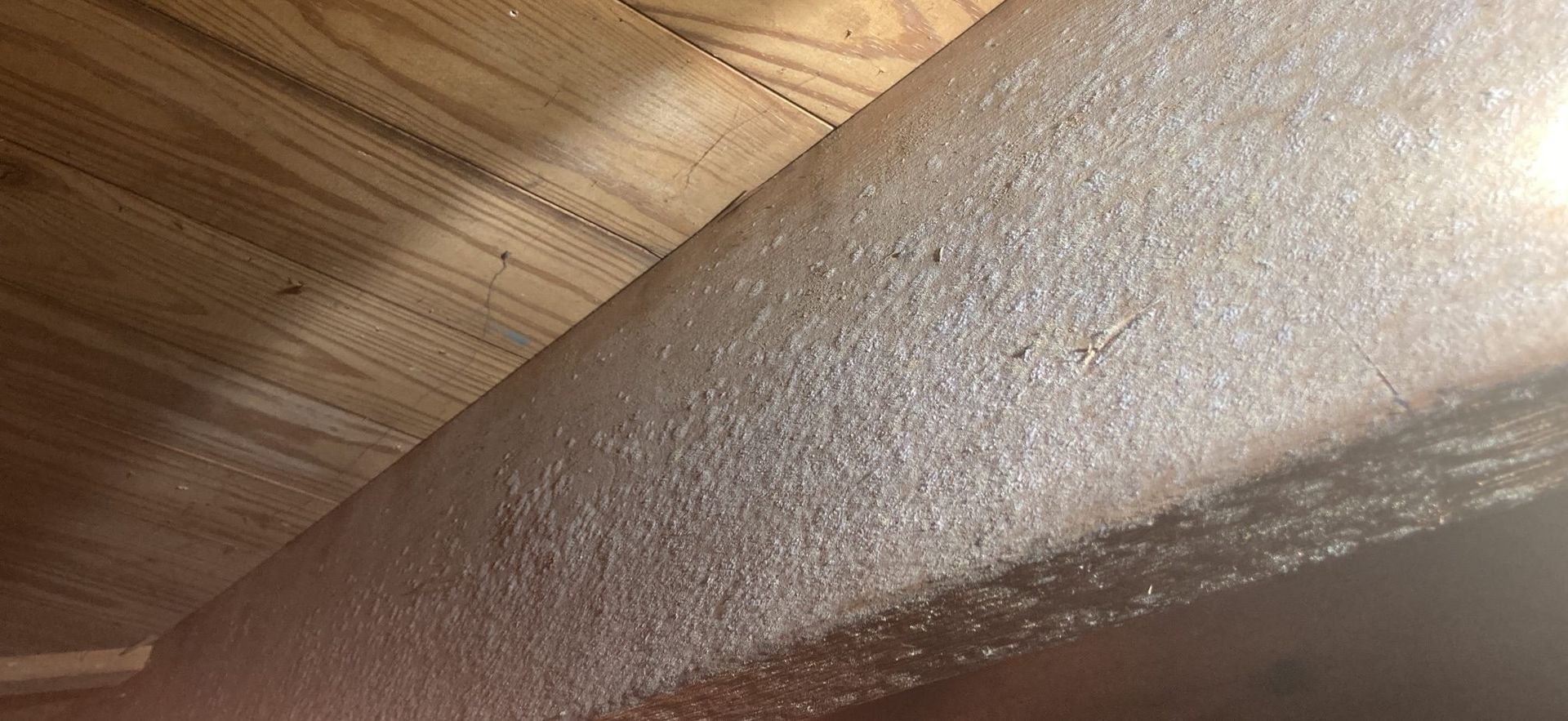
Mold in Crawl Spaces in Melbourne: What Homeowners in Brevard County Should Know
In Melbourne, crawl spaces are one of the most overlooked areas of the home—and one of the most common places mold develops. Because crawl spaces sit below living areas and are rarely entered, moisture problems can persist quietly for months or even years. In Brevard County’s humid climate, that combination of ground moisture, limited airflow, and warm temperatures makes crawl spaces a prime environment for mold growth.
Crawl space mold isn’t a sign of poor housekeeping or neglect. It’s usually the result of how moisture moves through Florida homes. Understanding why mold develops in crawl spaces, how it affects the rest of the house, and what actually prevents it from coming back helps Melbourne homeowners protect both indoor comfort and structural components.
Why Crawl Space Mold Is Common in Melbourne
Melbourne experiences steady humidity, frequent rain, and high groundwater levels. Crawl spaces sit closest to these moisture sources, which puts them at constant risk.
Local factors that increase crawl space mold risk include:
- High year-round humidity
- Moisture migrating upward from soil
- Poor crawl space ventilation
- Heavy rainfall and summer storms
- Homes built low to the ground
- Condensation forming on framing and ductwork
Even without visible water, crawl spaces can stay damp enough to support mold growth.
How Mold Develops in Crawl Spaces
Mold spores are always present in Florida air. In crawl spaces, they only need moisture and time.
A typical crawl space mold scenario looks like this:
- Moisture enters from soil, humidity, or rain
- Limited airflow slows drying
- Wood framing and insulation absorb moisture
- Mold begins growing on structural materials
Because crawl spaces aren’t regularly checked, mold often spreads unnoticed.
Ground Moisture and Vapor Intrusion
One of the biggest contributors to crawl space mold is moisture coming up from the ground.
This happens when:
- Soil remains damp year-round
- Vapor barriers are missing or damaged
- Rainwater drains toward the foundation
- Groundwater levels rise during wet seasons
Moisture vapor rises into the crawl space, feeding mold growth on wood and insulation.
Poor Ventilation and Stagnant Air
Many crawl spaces were designed with minimal ventilation—or ventilation that doesn’t work well in Florida’s climate.
Problems occur when:
- Outdoor air entering vents is humid
- Air movement is inconsistent
- Moisture isn’t carried out effectively
Instead of drying the space, humid air can actually add moisture, increasing mold risk.
Where Mold Commonly Appears in Crawl Spaces
Crawl space mold usually develops where moisture lingers the longest.
High-risk areas include:
- Floor joists and subflooring
- Support beams and sill plates
- Insulation facing the crawl space
- HVAC ductwork and boots
- Areas near foundation walls
Dark staining on wood framing is often the first visible sign.
How Crawl Space Mold Affects the Living Space Above
Many homeowners don’t realize that crawl space conditions directly influence indoor air.
Crawl space mold can:
- Contribute to musty odors upstairs
- Increase overall indoor humidity
- Affect HVAC system performance
- Impact comfort throughout the home
Because air naturally moves upward, what happens in the crawl space doesn’t stay there.
Crawl Space Mold After Heavy Rain
Heavy rain is a major trigger for crawl space mold in Melbourne.
After storms:
- Ground becomes saturated
- Water pools near foundations
- Humidity rises dramatically
- Drying slows significantly
Mold often develops weeks after heavy rain—not immediately—making the connection easy to miss.
Plumbing and Crawl Space Moisture
Plumbing issues are another common cause of crawl space mold.
Common problems include:
- Slow leaks under bathrooms or kitchens
- Condensation on cold water lines
- Dripping HVAC condensate lines
Because these issues are hidden below the home, moisture can persist unnoticed.
Why DIY Crawl Space Mold Cleanup Rarely Works
Crawl space mold is difficult to address without professional tools and experience.
DIY efforts fall short because:
- Mold growth is often widespread
- Moisture sources aren’t corrected
- Hidden areas are missed
- High humidity quickly causes regrowth
- Safety concerns exist in confined spaces
Cleaning alone doesn’t resolve crawl space mold in Florida’s climate.
The Importance of a Professional Crawl Space Inspection
A professional inspection focuses on why moisture is present, not just where mold appears.
An inspection may include:
- Moisture readings of wood and soil
- Evaluation of vapor barriers
- Inspection of ventilation conditions
- Identification of drainage issues
- Assessment of framing and insulation
This helps determine whether remediation is needed and how to prevent recurrence.
Brevard Mold Inspections & Removal works with Melbourne homeowners to evaluate crawl space conditions carefully and explain moisture-related causes clearly before recommending next steps.
Mold Testing and Crawl Space Concerns
Mold testing isn’t always required for crawl spaces, but it can help when:
- Odors persist without visible mold
- Mold is suspected to be affecting indoor air
- Confirmation is needed after remediation
Testing is most useful when guided by inspection findings.
Proper Remediation for Crawl Space Mold
Effective crawl space remediation focuses on removal and prevention, not cosmetic improvement.
A proper approach may include:
- Containment to prevent spore spread
- Cleaning or removing contaminated materials
- Addressing ground moisture and drainage
- Improving airflow or sealing the crawl space
- Drying the space thoroughly
Without moisture control, mold will return.
Preventing Mold in Crawl Spaces
Prevention starts with managing moisture at its source.
Helpful prevention steps include:
- Installing or repairing vapor barriers
- Improving drainage away from the foundation
- Monitoring humidity levels
- Inspecting plumbing and HVAC lines
- Checking crawl spaces after heavy rain
Routine checks go a long way in preventing mold.
Crawl Spaces in Older vs Newer Melbourne Homes
Both older and newer homes can develop crawl space mold.
Older homes may have:
- Inadequate vapor barriers
- Poor drainage design
Newer homes may have:
- Tighter construction with less airflow
- Trapped moisture from modern building practices
Prevention strategies should match the home’s design and location.
Why Local Melbourne Experience Matters
Crawl space mold behaves differently in Florida than in dry climates. Melbourne homes face challenges tied to humidity, groundwater levels, storms, and soil moisture.
Local professionals understand:
- How moisture moves under Florida homes
- Where crawl space mold commonly develops locally
- How storms affect ground saturation
Local experience leads to accurate assessments and long-term solutions.
A Calm, Practical Takeaway for Homeowners
Mold in crawl spaces is common in Melbourne—but it doesn’t have to become a long-term issue. Most problems stem from moisture that wasn’t controlled at ground level, not from severe damage or neglect.
If your home has musty odors, high indoor humidity, or you haven’t checked the crawl space after heavy rain, a professional inspection can provide clarity. Addressing moisture early is the most effective way to prevent mold, protect your home’s structure, and maintain comfort in Brevard County’s humid environment.