
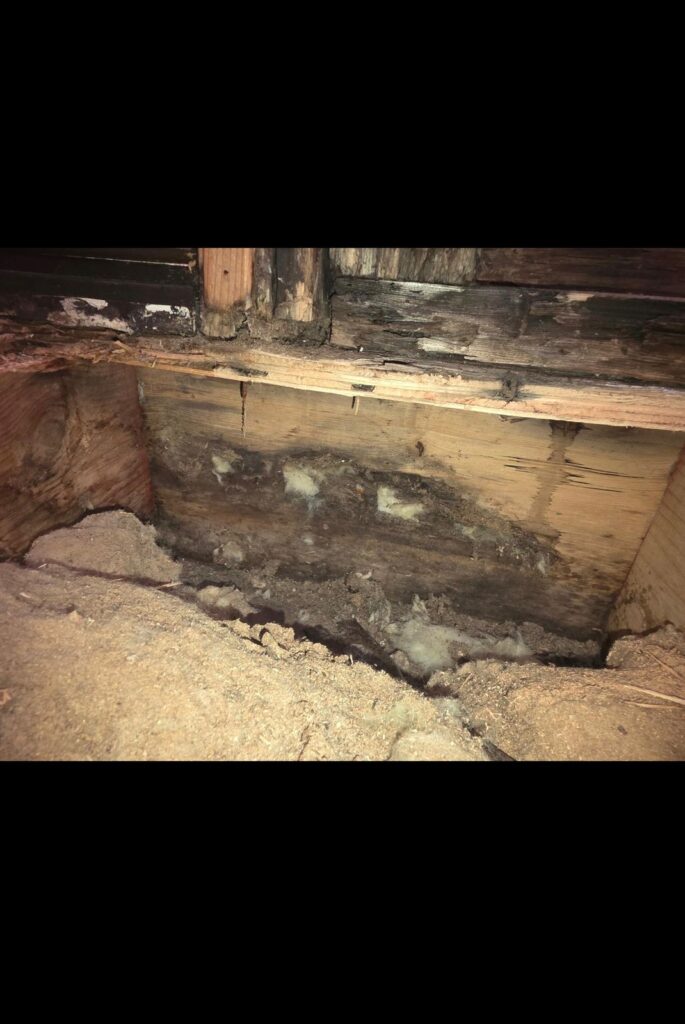
Mold in Crawl Spaces in Merritt Island: What Homeowners in Brevard County Should KnowCrawl spaces are one of the most overlooked sources of mold in homes across Merritt Island and Brevard County. Because they’re hidden beneath the home, mold can grow undetected for long periods—quietly affecting indoor air quality, structural materials, and even the health of occupants upstairs.In Merritt Island, where moisture is a constant challenge, crawl space mold is especially common. Understanding why mold develops below the home, how it impacts the living space above, and what homeowners can do to prevent it is critical for protecting both property and health.⸻Why Crawl Space Mold Is So Common in Merritt IslandMerritt Island’s environment creates ideal conditions for crawl space moisture problems: • High humidity most of the year • Proximity to waterways and lagoons • Frequent heavy rain and storms • High groundwater levels • Poor natural airflow under homes • Warm temperatures that slow dryingCrawl spaces are naturally cooler and darker, which allows moisture to linger longer than in living areas. When moisture stays trapped, mold growth is almost inevitable.⸻How Moisture Gets Into Crawl SpacesCrawl space mold doesn’t require flooding to start. In many homes, moisture builds up gradually.Common Moisture Sources • Ground moisture evaporating upward • Poor drainage around the foundation • Rainwater pooling near crawl space vents • High outdoor humidity entering through vents • Plumbing leaks above the crawl space • AC condensation dripping into the space • Inadequate or damaged vapor barriersEven without visible standing water, damp conditions alone are enough to support mold growth.⸻Where Mold Grows in Crawl SpacesMold typically forms on materials that stay damp the longest.Common Mold Locations • Wooden floor joists and beams • Subflooring • Insulation beneath floors • Support piers • Vapor barriers • HVAC duct insulation • Plumbing linesMold often appears as dark staining, spotting, or fuzzy growth on wood and insulation surfaces.⸻How Crawl Space Mold Affects the Living Area AboveMany homeowners don’t realize that crawl space air directly affects indoor air quality.This happens due to the stack effect: • Air from the crawl space rises upward into the home • Mold spores and moisture move with that air • HVAC systems distribute contaminated air throughout the houseAs a result, mold below the home can cause problems upstairs—even if there’s no visible mold inside living spaces.⸻Warning Signs of Crawl Space MoldCrawl space mold often reveals itself indirectly.Inside-the-Home Clues • Persistent musty odors • Floors that feel damp or cold • Increased indoor humidity • Odors that worsen during humid weatherHealth Clues • Increased allergies indoors • Sinus congestion or coughing • Headaches or fatigue • Asthma symptoms worsening • Symptoms improving when leaving the homeBecause the source is hidden, these signs are often misattributed to other causes.⸻Why Merritt Island Homes Are Especially VulnerableCrawl spaces in Merritt Island face challenges that inland homes often don’t: • Higher groundwater levels • More frequent rain events • Salt air increasing moisture retention • Older construction with vented crawl spaces • Less elevation above gradeTraditional vented crawl spaces allow humid outdoor air to enter, which can actually increase moisture levels rather than reduce them.⸻Mold on Crawl Space InsulationInsulation under the home often hides mold problems.Signs of insulation-related mold include: • Sagging or falling insulation • Darkened or discolored insulation • Musty smells when near floor vents • Reduced energy efficiencyOnce insulation is mold-contaminated, cleaning is rarely effective. Removal and replacement are often necessary.⸻Why DIY Crawl Space Mold Cleanup Is RiskyCrawl space mold cleanup is not a safe DIY project.Common DIY mistakes include: • Entering crawl spaces without protective equipment • Scraping or spraying mold without containment • Using bleach on wood or insulation • Ignoring ground moisture sources • Disturbing mold and releasing sporesDIY attempts often spread spores into the home and fail to correct the underlying moisture problem.⸻What a Professional Crawl Space Mold Inspection InvolvesA proper inspection focuses on moisture, airflow, and contamination, not just visible mold.Inspectors typically evaluate: • Moisture levels in wood and soil • Condition of vapor barriers • Signs of standing water or drainage issues • Mold growth on structural materials • Insulation condition • HVAC ducts and plumbing linesThe goal is to identify why the crawl space is staying damp and how to correct it.⸻Crawl Space Mold Remediation: What It IncludesEffective remediation addresses both mold and moisture.Typical remediation steps include: 1. Containment to prevent spore spread 2. HEPA air filtration 3. Removal or treatment of mold-contaminated materials 4. Cleaning and antimicrobial application 5. Moisture control measures 6. Vapor barrier repair or installationSkipping moisture correction almost guarantees mold will return.⸻Crawl Space Encapsulation and Moisture ControlIn many Merritt Island homes, long-term prevention involves crawl space encapsulation.Encapsulation may include: • Sealing crawl space vents • Installing heavy-duty vapor barriers • Sealing walls and penetrations • Controlling humidity with dehumidificationEncapsulated crawl spaces stay drier, cleaner, and far less prone to mold growth.⸻Insurance and Crawl Space MoldInsurance coverage depends on what caused the mold, not where it’s located.Mold may be covered if it resulted from: • Sudden plumbing failures • Appliance leaksMold caused by: • Ground moisture • High humidity • Poor drainage • Long-term conditions…is often excluded. Early documentation and inspections are important.⸻Preventing Crawl Space Mold in Merritt Island HomesPrevention focuses on keeping the crawl space dry and controlled.Key Prevention Steps • Improve exterior drainage away from the foundation • Repair plumbing leaks immediately • Install or repair vapor barriers • Reduce outdoor moisture entry • Monitor crawl space humidity • Schedule periodic inspectionsDry crawl spaces don’t grow mold.⸻When to Call a ProfessionalProfessional help is strongly recommended if: • Mold is visible on joists or insulation • Musty odors persist indoors • Floors feel damp or soft • Humidity remains high • Health symptoms worsen indoors • The home has a history of flooding or drainage issuesEarly intervention limits damage and cost.⸻Why Crawl Space Mold Should Never Be IgnoredUnchecked crawl space mold can lead to: • Structural wood damage • Poor indoor air quality • Increased energy costs • Health concerns • Reduced home valueBecause crawl spaces affect the entire home, mold there rarely stays contained.⸻Final Thoughts for Merritt Island HomeownersCrawl space mold in Merritt Island is common—but it’s not unavoidable. Moisture control below the home is just as important as what happens inside the living space. When crawl spaces stay damp, mold follows—and indoor air quality suffers as a result.Addressing crawl space mold early protects your home’s structure, your comfort, and your health. In Florida homes, what’s happening underneath matters just as much as what you can see above.