
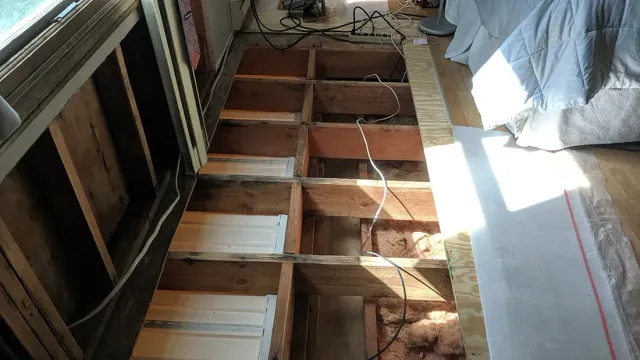
Mold in Crawl Spaces in Merritt Island: What Homeowners in Brevard County Should Know
Crawl spaces aren’t something most Merritt Island homeowners think about often. These areas are usually out of sight, difficult to access, and easy to forget — until a problem develops. One of the most common hidden issues found beneath homes in Brevard County is mold growth inside crawl spaces.
Because crawl spaces are close to the ground and exposed to Florida’s humid climate, moisture often accumulates there. When moisture lingers, mold can begin growing on wood framing, insulation, and other materials without homeowners realizing it.
Across Merritt Island, Cocoa, Rockledge, Melbourne, Palm Bay, Titusville, Viera, Satellite Beach, and Cape Canaveral, crawl space mold is frequently discovered during home inspections or when homeowners start noticing musty smells inside their homes.
Understanding why mold develops beneath homes and how to prevent it helps homeowners protect both their property and indoor comfort.
What Is a Crawl Space and Why It Matters
A crawl space is the area between the ground and the first floor of a home. Some homes in Merritt Island are built with crawl spaces instead of slab foundations, especially older homes or properties built near waterways.
Crawl spaces allow access to plumbing, electrical systems, and structural components. However, they also create a space where moisture can collect easily if not properly protected.
Mold grows when three elements are present:
• Moisture
• Warm temperatures
• Organic materials like wood or dust
Florida’s climate provides warmth year-round. Crawl spaces often provide moisture and organic materials, making them ideal environments for mold if conditions aren’t controlled.
Why Crawl Space Mold Is Common in Merritt Island
Merritt Island’s location between the Indian River and Banana River means homes are exposed to elevated humidity levels year-round.
Several local conditions contribute to crawl space mold problems.
Coastal Humidity
Moist air from surrounding waterways keeps ground moisture levels high, which often seeps into crawl spaces.
Heavy Rainfall and Storms
Storms and hurricanes can flood or saturate the ground, allowing water to enter crawl spaces beneath homes.
Poor Drainage Around Homes
Improper grading or clogged gutters can allow rainwater to collect near foundations, increasing moisture beneath homes.
Lack of Vapor Barriers
Older homes sometimes lack proper moisture barriers beneath crawl spaces, allowing ground moisture to rise.
Limited Airflow
Some crawl spaces have insufficient ventilation, trapping humid air and moisture.
Even homes that appear dry inside may have moisture problems underneath.
Signs Crawl Space Mold May Be Affecting Your Home
Because crawl spaces are hidden, mold problems often show signs inside the home first.
Common warning signs include:
• Musty or damp odors indoors
• Floors feeling damp or humid
• Increased indoor humidity
• Allergy-like irritation indoors
• Warped flooring or baseboards
• Mold odors strongest near floors
Sometimes homeowners notice smells after rainstorms or during humid weather, suggesting moisture is accumulating beneath the home.
If mold is growing in the crawl space, air from that space can enter the living areas above.
Hidden Sources of Moisture in Crawl Spaces
Crawl space moisture usually comes from multiple sources rather than one obvious problem.
Ground Moisture
Bare soil naturally releases moisture, especially in humid climates like Brevard County.
Plumbing Leaks
Leaks in pipes beneath homes can go unnoticed for long periods.
Flooding After Storms
Heavy rain or storm surge can allow water to enter crawl spaces.
Condensation on Pipes
Cold water pipes often develop condensation in warm, humid environments.
Poor Exterior Drainage
Water flowing toward the home rather than away increases crawl space moisture.
Professional inspections frequently reveal several contributing moisture factors.
Why Ignoring Crawl Space Mold Causes Bigger Issues
Because crawl spaces are out of sight, homeowners sometimes delay addressing problems. Unfortunately, mold beneath a home can lead to larger concerns over time.
Potential impacts include:
• Structural wood damage
• Insulation contamination
• Persistent musty odors indoors
• Increased indoor humidity
• Flooring damage above crawl spaces
Moist air rising from crawl spaces can also make air conditioning systems work harder.
Addressing problems early usually prevents costly repairs later.
Why DIY Crawl Space Cleanup Rarely Works
Some homeowners try cleaning crawl spaces themselves, but crawl space mold remediation is challenging and often unsafe without proper equipment.
Common DIY mistakes include:
• Spraying bleach or chemicals on mold
• Cleaning mold without fixing moisture sources
• Entering crawl spaces without protective equipment
• Failing to improve drainage or ventilation
• Disturbing mold spores without containment
Bleach does not penetrate deeply into wood, so mold often returns if moisture remains.
Improper cleanup can also spread spores into the home.
How Professional Mold Inspection Helps
Professional inspections help determine whether crawl space mold is present and identify moisture causes.
A typical inspection may include:
Crawl Space Examination
Inspectors evaluate framing, insulation, and moisture conditions beneath the home.
Moisture Detection
Special tools identify moisture in structural components.
Drainage and Ventilation Evaluation
Inspectors examine airflow and exterior drainage conditions.
Air or Surface Sampling (If Needed)
Testing helps determine whether mold levels are elevated inside the home.
Companies like Brevard Mold Inspections & Removal frequently inspect crawl spaces in Merritt Island homes, especially after storms or flooding events.
How Crawl Space Mold Remediation Works
If contamination is widespread, professional remediation may be needed.
Remediation often includes:
Containment Setup
Work areas are sealed to prevent spores from entering living spaces.
Removal of Contaminated Materials
Heavily affected insulation or materials may be removed.
Cleaning Structural Components
Wood framing and surfaces are cleaned safely.
Moisture Correction
Drainage and ventilation issues are corrected.
Vapor Barrier Installation
Moisture barriers may be installed to block ground moisture.
Final Cleaning
Remaining debris and spores are removed.
Proper remediation ensures mold does not quickly return.
How Homeowners Can Prevent Crawl Space Mold
Preventing crawl space mold mainly involves moisture control and proper maintenance.
Helpful steps include:
• Install or maintain vapor barriers
• Ensure gutters direct water away from the home
• Improve exterior drainage
• Repair plumbing leaks promptly
• Inspect crawl spaces after storms
• Maintain proper ventilation
• Monitor indoor humidity levels
• Schedule periodic inspections
Homeowners in Merritt Island often inspect crawl spaces annually due to coastal moisture exposure.
Why Local Experience Matters
Moisture behavior in Brevard County homes differs from drier climates. Local professionals understand how coastal humidity and storms affect crawl spaces.
Homes across Merritt Island, Cocoa, Melbourne, Palm Bay, Satellite Beach, and surrounding communities commonly experience:
• Coastal humidity exposure
• Hurricane and storm flooding risks
• Ground moisture challenges
• Ventilation limitations
• Aging crawl space construction
Local experience helps identify problems quickly and recommend solutions suited to Florida homes.
Brevard Mold Inspections & Removal works throughout Brevard County helping homeowners identify crawl space mold problems and correct moisture conditions before larger repairs become necessary.
A Calm Next Step for Merritt Island Homeowners
If you notice musty odors indoors, increased humidity, or suspect moisture problems beneath your home, a professional crawl space inspection can provide clarity.
Many crawl space mold issues remain manageable when discovered early. Correcting moisture conditions helps protect both structural components and indoor comfort.
If concerns arise, professional guidance helps homeowners understand what’s happening beneath the home and what steps may be needed next.
Addressing crawl space moisture early protects both your property and long-term comfort.