
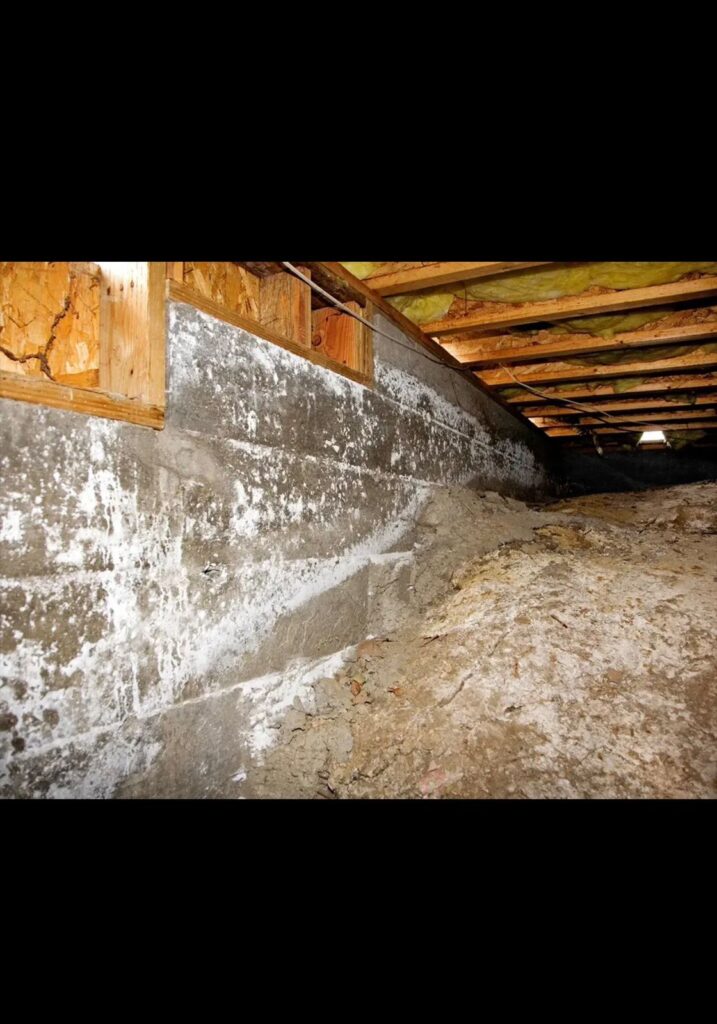
Mold in Crawl Spaces in Merritt Island: What Homeowners in Brevard County Should KnowMold in crawl spaces is a common and often overlooked problem for homeowners in Merritt Island and across Brevard County. Because crawl spaces sit below the home and are rarely inspected, moisture problems can persist for long periods, allowing mold to grow unnoticed. In Florida’s humid, coastal-influenced climate, crawl spaces are especially vulnerable to moisture buildup and mold contamination.This guide explains why crawl space mold is so common in Merritt Island homes, where it develops, how it affects indoor air quality and structural components, and what homeowners should know to prevent long-term damage.⸻Why Crawl Space Mold Is Common in Merritt IslandMerritt Island’s environment creates constant moisture pressure beneath homes.Key contributing factors include: • High year-round humidity • Moisture rising from sandy or damp soil • Poor crawl space ventilation • Inadequate or damaged vapor barriers • Heavy rain and storm events • Plumbing lines running through crawl spaces • Standing water after flooding or drainage issuesWhen moisture becomes trapped below the home, mold can develop quickly and spread across structural materials.⸻How Mold Develops in Crawl SpacesMold grows when moisture remains on organic materials long enough for spores to activate.Common moisture sources include: • Damp soil or groundwater intrusion • Missing or torn vapor barriers • Plumbing leaks or condensation on pipes • Standing water after storms • Poor drainage around the foundation • Humid outdoor air entering unsealed crawl spaces • HVAC ducts sweating in warm, humid conditionsEven without visible flooding, high humidity alone can support mold growth over time.⸻Where Crawl Space Mold Typically GrowsMold growth in crawl spaces is often concentrated in specific areas.Common locations include: • Floor joists and subflooring • Support beams and piers • Insulation between joists • Vapor barrier surfaces • HVAC duct insulation • Plumbing lines and fittings • Areas with limited airflow or standing moistureMold on structural wood is especially concerning because it can weaken materials over time.⸻Signs of Crawl Space MoldIndoor Warning Signs • Musty odors inside the home • Odors stronger near floors or vents • Increased indoor humidity • Allergy or respiratory symptoms indoorsStructural and Exterior Clues • Sagging or uneven floors • Warped baseboards • Persistent damp smells after rain • Rust or corrosion on metal components beneath the homeMany homeowners notice indoor symptoms before realizing the crawl space is the source.⸻How Crawl Space Mold Affects Indoor Air QualityAir naturally moves upward from crawl spaces into living areas through the stack effect.As a result: • Mold spores are drawn into the home • Odors circulate through HVAC systems • Indoor air quality declines • Humidity levels increase indoorsCrawl space mold often affects the entire house, not just the area below it.⸻Health Effects of Crawl Space MoldProlonged exposure may contribute to: • Sneezing or coughing • Nasal congestion or sinus irritation • Headaches • Eye or throat irritation • Worsening asthma or allergies • Fatigue or discomfort indoorsChildren, seniors, and individuals with respiratory conditions are more sensitive to crawl space mold exposure.⸻Mold vs. Moisture Problems in Crawl SpacesNot all crawl space issues start with visible mold.Moisture problems often include: • Condensation on ducts or pipes • Damp soil or standing water • Wet or compressed insulation • Elevated humidity levelsIf moisture is not corrected, mold growth usually follows.⸻Why DIY Crawl Space Mold Cleanup Often FailsDIY cleanup typically addresses symptoms, not causes.Common mistakes include: • Spraying mold without containment • Ignoring ground moisture • Leaving contaminated insulation in place • Failing to seal vents and openings • Not correcting drainage issuesWithout moisture control, mold almost always returns.⸻What Professional Crawl Space Mold Remediation InvolvesProper remediation focuses on removal, drying, and prevention.A professional approach may include: • Full crawl space inspection • Identifying moisture sources • Containment to prevent spore spread • HEPA air filtration • Removal of contaminated materials • Cleaning and treating structural wood • Vapor barrier installation or repair • Crawl space encapsulation when appropriate • Drainage and ventilation improvements • Dehumidification systemsCorrecting moisture conditions is essential to long-term success.⸻Is Mold Testing Necessary in Crawl Spaces?Testing is not always required.Testing may be helpful when: • Mold is suspected but not visible • Odors persist without a clear source • Health symptoms are unexplained • Documentation is needed for insurance or real estateVisible mold generally justifies remediation without testing.⸻Insurance and Crawl Space MoldCoverage depends on the cause.✔ Often covered if caused by sudden plumbing failures or storm damage❌ Commonly denied if caused by ground moisture, poor drainage, or long-term humidityPrompt documentation improves claim outcomes.⸻Preventing Mold in Crawl SpacesPrevention focuses on moisture management.Effective strategies include: • Installing or repairing vapor barriers • Improving drainage away from the foundation • Sealing crawl space vents and openings • Using crawl space dehumidifiers • Insulating and sealing ductwork • Fixing plumbing leaks immediately • Monitoring humidity levels • Scheduling regular crawl space inspectionsCrawl space encapsulation is often the most effective long-term solution in Brevard County homes.⸻After Storms and Heavy RainMerritt Island homes are especially vulnerable after storms.After heavy rain: • Inspect crawl spaces for standing water • Check vapor barriers for damage • Monitor indoor odors and humidity • Address moisture issues immediatelyDelays increase the risk of widespread mold growth.⸻Why Early Action MattersUnchecked crawl space mold can lead to: • Structural wood damage • Increased indoor humidity • Higher energy costs • Poor indoor air quality • Extensive remediation costsEarly detection reduces damage and long-term expense.⸻Final ThoughtsMold in crawl spaces is a serious but manageable issue for homeowners in Merritt Island and across Brevard County. High humidity, ground moisture, and limited airflow make crawl spaces especially vulnerable to hidden mold growth.Regular inspections, proper moisture control, and professional remediation when needed help protect both the structure of the home and the quality of the air inside it.