
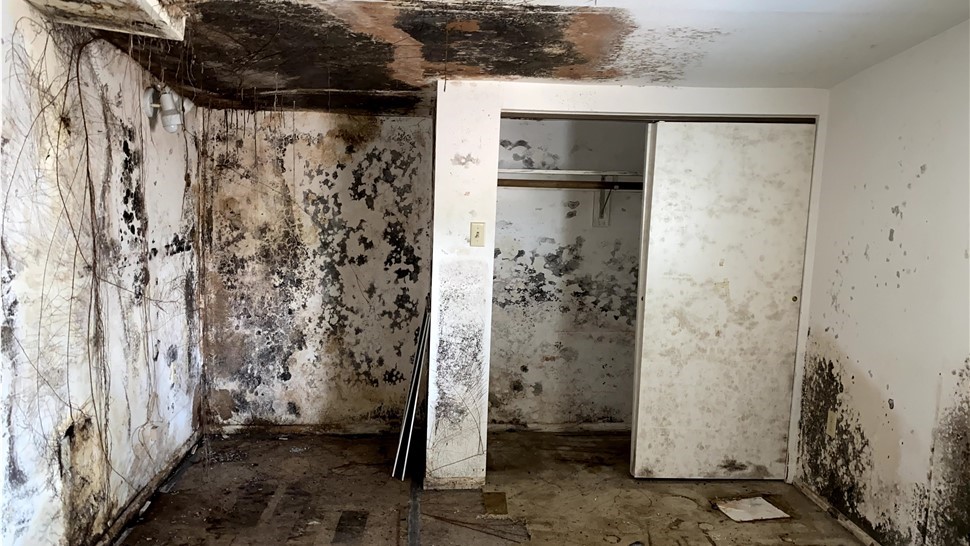
Mold in Crawl Spaces in Satellite Beach: What Homeowners in Brevard County Should Know
Mold in crawl spaces is a common but often overlooked issue for homeowners in Satellite Beach. Because crawl spaces are out of sight, problems can develop for months or even years before anyone realizes there’s an issue. By the time mold is discovered, moisture may already be affecting the structure, indoor air quality, and comfort of the home.
Satellite Beach’s coastal environment creates constant moisture pressure on homes. High humidity, salt air, frequent storms, and shallow groundwater all contribute to crawl space conditions where mold can thrive. Understanding why crawl space mold develops, how it spreads, and what actually stops it helps homeowners protect their homes long-term.
Why Crawl Spaces Are Prone to Mold in Satellite Beach
Crawl spaces sit directly between the home and the ground, making them highly sensitive to moisture. In coastal areas like Satellite Beach, the ground itself often holds significant moisture, especially after rain or during humid seasons.
Warm, humid outdoor air can enter crawl spaces through vents, gaps, and access doors. When that air cools inside the shaded crawl space, condensation forms on wood framing, ducts, plumbing, and insulation.
Because crawl spaces receive little airflow and sunlight, moisture dries very slowly. This creates ideal conditions for mold growth even without standing water.
Common Causes of Crawl Space Mold
Ground moisture is one of the biggest contributors. Without a proper vapor barrier, moisture continuously evaporates from the soil into the crawl space.
Poor drainage around the home can allow rainwater to collect near the foundation and migrate into the crawl space. In Satellite Beach, heavy rain and storm surge can worsen this issue.
Plumbing leaks inside crawl spaces are another frequent cause. Slow drips from pipes may go unnoticed while keeping wood and insulation damp for extended periods.
HVAC ductwork running through crawl spaces can also create problems. Cold ducts meeting warm, humid air often sweat, adding more moisture to the space.
Where Mold Typically Grows in Crawl Spaces
Wood framing and floor joists are common locations. These materials absorb moisture easily and dry slowly, making them ideal for mold growth.
Insulation, especially fiberglass batts, can trap moisture against wood surfaces. Once insulation becomes damp, it often stays wet and supports mold growth.
Subflooring above the crawl space may also be affected, sometimes leading to musty odors inside the living space.
In some cases, mold develops on stored items or debris left in the crawl space, contributing to ongoing moisture retention.
Signs Crawl Space Mold May Be Affecting the Home
Musty odors inside the home are one of the most common signs. Because air moves upward, smells from the crawl space often enter living areas through floors, walls, and HVAC systems.
Floors may feel damp, cool, or uneven. In some homes, increased indoor humidity or persistent odors worsen after rain.
Visible mold inside the home doesn’t always mean the problem started indoors. Crawl space mold frequently spreads its effects upward before being discovered below.
Why Crawl Space Mold Often Goes Unnoticed
Most homeowners rarely enter their crawl space unless there’s a plumbing issue or inspection. Out of sight allows moisture and mold problems to develop quietly.
Because crawl space mold doesn’t usually cause immediate structural damage or leaks, it’s often missed during routine home maintenance.
Many cases are discovered during real estate inspections, HVAC work, or when persistent odors prompt further investigation.
Why DIY Crawl Space Cleanup Rarely Works
Crawl space mold is not a simple cleaning problem. Scrubbing visible mold without addressing moisture almost always leads to regrowth.
Bleach and household cleaners do not penetrate wood or insulation effectively and add additional moisture to already damp materials.
DIY work also risks spreading mold spores into the home through open access points or HVAC systems. Crawl spaces can be difficult and unsafe to work in without proper equipment.
Professional Mold Inspection for Crawl Spaces
A professional mold inspection evaluates both mold growth and moisture conditions within the crawl space.
Inspectors assess ground moisture, vapor barriers, drainage, plumbing, ductwork, insulation, and wood framing. Moisture meters help determine whether materials are actively damp.
In some cases, air or surface sampling may be used to support findings, but identifying moisture sources remains the priority.
An inspection provides clarity on whether mold is present, how extensive it is, and what’s driving the problem.
Proper Mold Remediation in Crawl Spaces
Effective crawl space mold remediation focuses on containment, removal, and moisture control.
Containment prevents mold spores from spreading into the living space during work. Mold-affected materials such as insulation or damaged wood may need removal when contamination is significant.
Surfaces that can be saved are cleaned using appropriate methods designed for mold, not household cleaners.
Most importantly, moisture sources must be corrected. Without moisture control, mold will return regardless of how thorough cleaning appears.
Brevard Mold Inspections & Removal approaches crawl space mold with a long-term prevention mindset rather than surface-level treatment.
Moisture Control Is the Key to Long-Term Solutions
True crawl space mold control requires managing moisture at its source.
Installing or repairing vapor barriers helps block ground moisture. Improving drainage around the foundation reduces water intrusion.
Sealing crawl space vents and access doors limits humid air entry. In some cases, crawl space encapsulation or controlled ventilation may be appropriate.
HVAC ducts and plumbing should be insulated properly to prevent condensation.
How Crawl Space Mold Affects Indoor Comfort
Because air naturally moves upward, crawl space conditions influence the entire home.
Mold odors, humidity, and moisture can migrate into floors, walls, and HVAC systems. This often explains why homes feel damp or musty even when living areas appear clean.
Addressing crawl space mold frequently improves indoor comfort once moisture movement is controlled.
Preventing Crawl Space Mold in Coastal Homes
Prevention starts with keeping moisture out and allowing materials to stay dry.
After storms, crawl spaces should be checked for water intrusion. Gutters and drainage systems should direct water away from the foundation.
Plumbing leaks should be repaired promptly, even if they seem minor. HVAC systems should be maintained to reduce condensation.
Regular inspections help catch moisture issues before mold develops.
Why Local Experience in Brevard County Matters
Crawl space mold in Satellite Beach is shaped by coastal conditions. High humidity, shallow groundwater, storms, and salt air create challenges not seen in drier regions.
Local experience means knowing how moisture behaves in Brevard County crawl spaces and which solutions hold up long-term.
Generic advice often fails in coastal Florida. Effective solutions must be tailored to the environment.
A Calm, Practical Takeaway
Mold in crawl spaces is common in Satellite Beach, but it doesn’t have to become a long-term problem. It’s almost always tied to moisture that can be managed with the right approach.
If your home has musty odors, elevated humidity, or a history of moisture issues, the crawl space is worth investigating. Early assessment prevents small problems from becoming major repairs.
Homeowners throughout Brevard County benefit from understanding what’s happening beneath their homes. Brevard Mold Inspections & Removal helps homeowners identify crawl space mold issues, correct moisture problems, and protect their homes from future damage.
When crawl space mold is addressed properly, the entire home becomes drier, healthier, and more comfortable.