
Mold in Crawl Spaces in Satellite Beach: What Homeowners in Brevard County Should Know
Crawl spaces are easy to forget—until they start affecting the rest of the house. For homeowners in Satellite Beach, mold in crawl spaces is a common issue driven by coastal humidity, sandy soils, and frequent rain. Because crawl spaces sit between the home and the ground, they’re constantly exposed to moisture that can quietly support mold growth for long periods without obvious warning signs.
In Brevard County, crawl-space mold is rarely about neglect. It’s usually about moisture that doesn’t dry. Understanding why mold forms beneath Satellite Beach homes, how it impacts indoor comfort, and what actually fixes the problem helps homeowners act early and avoid bigger repairs later.
What Crawl Space Mold Really Is
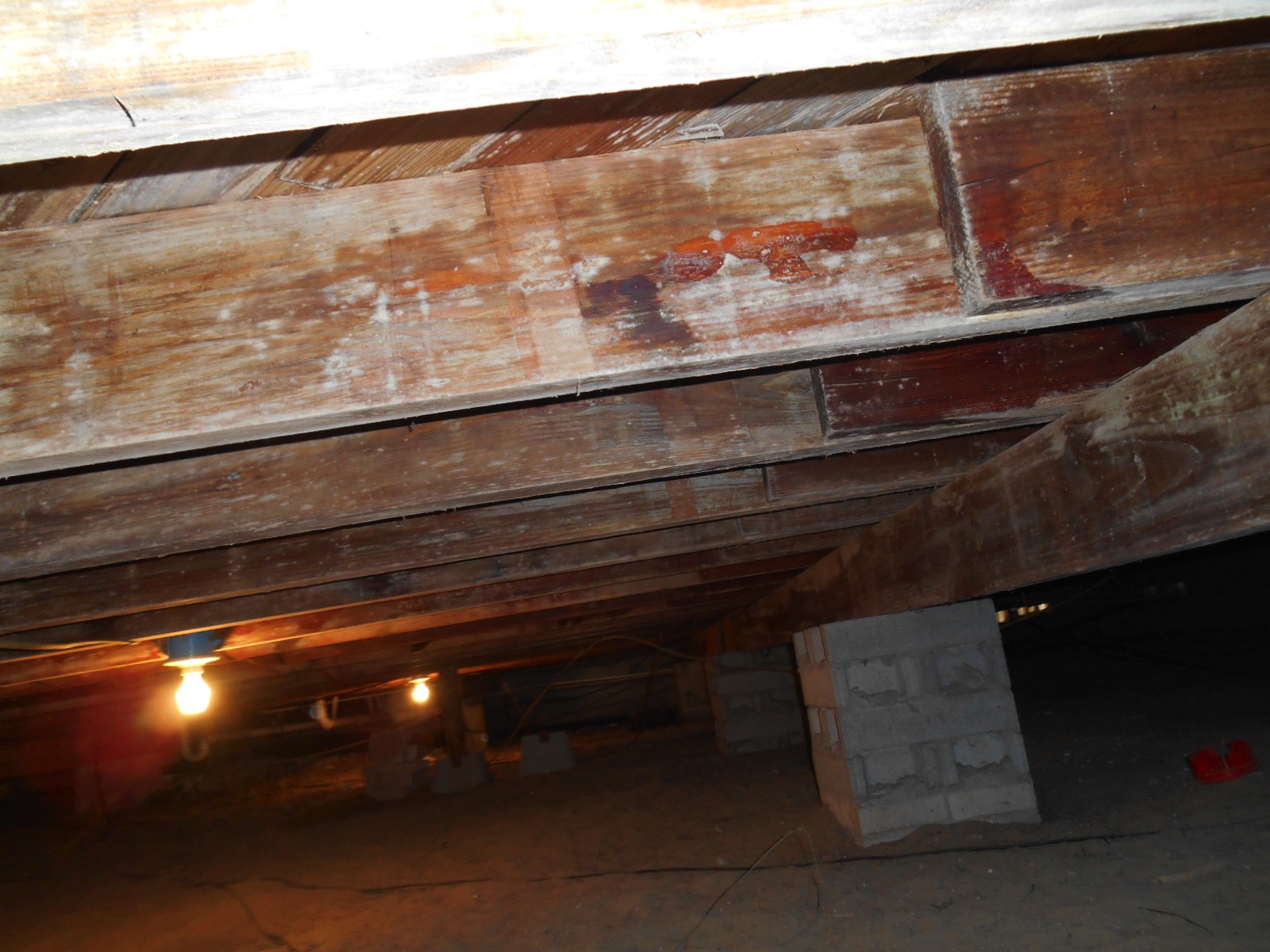
Crawl-space mold refers to mold growth on materials beneath the home—floor joists, subflooring, insulation, support piers, and sometimes ductwork. These materials are often porous and readily absorb moisture.
Once dampness becomes routine, mold can establish itself. Crawl spaces are dark, warm, and slow to dry, which allows mold to grow quietly without being disturbed.
What happens below the home rarely stays there. Crawl-space conditions often influence the air and comfort inside the living space above.
Why Crawl Spaces Are Especially Vulnerable in Satellite Beach
Brevard County already has high humidity most of the year. Satellite Beach adds a coastal layer: salt air, frequent storms, and ground saturation after heavy rain.
Common local contributors include:
- Moisture rising from sandy soil
- Poor drainage around foundations
- Open or poorly sealed crawl-space vents
- Missing or damaged vapor barriers
- Plumbing or HVAC condensation
- Stormwater intrusion during heavy rain
Even newer homes can develop crawl-space mold if moisture control isn’t built in and maintained.
How Moisture Builds Up Under the Home
Ground moisture is the biggest driver.
Bare soil releases water vapor upward, especially after rain. Without a continuous vapor barrier, that moisture accumulates beneath the home and condenses on cooler surfaces like joists and ducts.
Outdoor air entering through vents can also worsen the problem. In humid coastal climates, venting often brings more moisture in, not out. When warm, moist air cools under the home, condensation forms on wood and metal.
Slow plumbing leaks or sweating pipes add localized dampness that can persist for weeks without visible damage.
Because airflow is limited, moisture that enters doesn’t leave quickly.
Signs Mold May Be Growing in the Crawl Space
Crawl-space mold often shows up indirectly.
Satellite Beach homeowners commonly notice:
- Musty or earthy odors indoors
- Floors that feel cool or damp
- Increased indoor humidity
- Mold appearing on baseboards or lower walls
- Insulation sagging beneath floors
Odors often worsen when the AC runs, which can draw air from the crawl space into the home.
Why Crawl Space Mold Affects Indoor Air
Air naturally moves upward through a home (the stack effect).
As air rises, it can pull air from the crawl space along with it. If mold and moisture are present below, odors and humidity migrate into living areas.
This is why crawl-space problems can lead to recurring indoor mold, persistent smells, and comfort issues—even when visible mold isn’t found inside.
Fixing the crawl space often improves the entire home’s indoor conditions.
Common Materials Affected by Crawl Space Mold
Wood framing is frequently affected. Floor joists and subflooring absorb moisture and can support mold growth over time.
Insulation is another common issue. Fiberglass can trap moisture against wood, while paper facings can support mold growth.
Ductwork running through crawl spaces may sweat if insulation is compromised, spreading moisture to surrounding materials.
Metal components often show rust or corrosion—signs of prolonged dampness even when mold isn’t obvious.
Why Cleaning Crawl Space Mold Isn’t Enough
Surface cleaning alone does not solve crawl-space mold.
If moisture remains, mold will return—often quickly. Household cleaners and bleach don’t penetrate porous materials like wood or insulation and can add moisture to already damp areas.
True resolution requires correcting why the crawl space stays wet, not just removing what’s visible.
What a Professional Crawl Space Inspection Looks Like
A proper inspection starts with moisture.
Inspectors evaluate soil moisture, drainage, ventilation, vapor barriers, insulation condition, and signs of active leaks. Moisture meters help identify damp wood even when it looks dry.
The inspection also considers how the crawl space connects to the living space above, including ductwork and air pathways.
When appropriate, surface or air samples may be collected for documentation, but moisture findings guide decisions.
Local professionals such as Brevard Mold Inspections & Removal focus on crawl-space moisture patterns specific to Satellite Beach homes.
What Proper Crawl Space Mold Remediation Involves
Effective remediation addresses both mold and moisture.
This often includes:
- Containment during removal to prevent spread
- Cleaning or treating affected wood surfaces
- Removing and replacing contaminated insulation
- Installing or repairing vapor barriers
- Improving drainage or sealing openings
Ventilation strategies may also be adjusted to reduce humidity rather than introduce more moist air.
The goal is a dry, stable crawl space where mold cannot return.
Why DIY Crawl Space Work Is Risky
Crawl spaces are confined and often poorly ventilated.
DIY work can disturb mold and release particles into the air, which may then move into the home. Without moisture measurements, it’s easy to miss the real source of the problem.
Partial fixes—like cleaning without installing a vapor barrier—often lead to repeat issues and higher costs over time.
Preventing Mold in Crawl Spaces Going Forward
Prevention focuses on keeping moisture out and allowing materials to stay dry.
Ground vapor barriers block moisture rising from soil. Proper drainage keeps water from pooling near the foundation.
Plumbing leaks should be repaired promptly, and HVAC ducts should remain well insulated. Crawl-space access points should be sealed to limit humid air intrusion.
Periodic inspections—especially after heavy rain—help catch issues early.
Why Local Experience Matters in Satellite Beach
Crawl-space mold behaves differently depending on climate and construction.
Satellite Beach homes face coastal humidity, sandy soils, frequent storms, and long cooling seasons. Local experience helps professionals understand where moisture enters crawl spaces here and which solutions actually last.
Approaches that work in drier climates often fail along the coast.
A Practical Takeaway for Satellite Beach Homeowners
Mold in crawl spaces is common in Satellite Beach—but it’s manageable.
Most problems stem from ground moisture and humidity that go unchecked over time. By understanding how crawl spaces affect the rest of the home and addressing moisture at the source, homeowners can prevent mold from becoming a recurring issue.
If you’re noticing musty odors, indoor humidity problems, or haven’t inspected your crawl space recently, a professional evaluation can provide clarity. With the right approach and local expertise, crawl-space mold can be resolved—and kept from coming back—for the long term.