
Mold in Crawl Spaces in Satellite Beach: What Homeowners in Brevard County Should Know
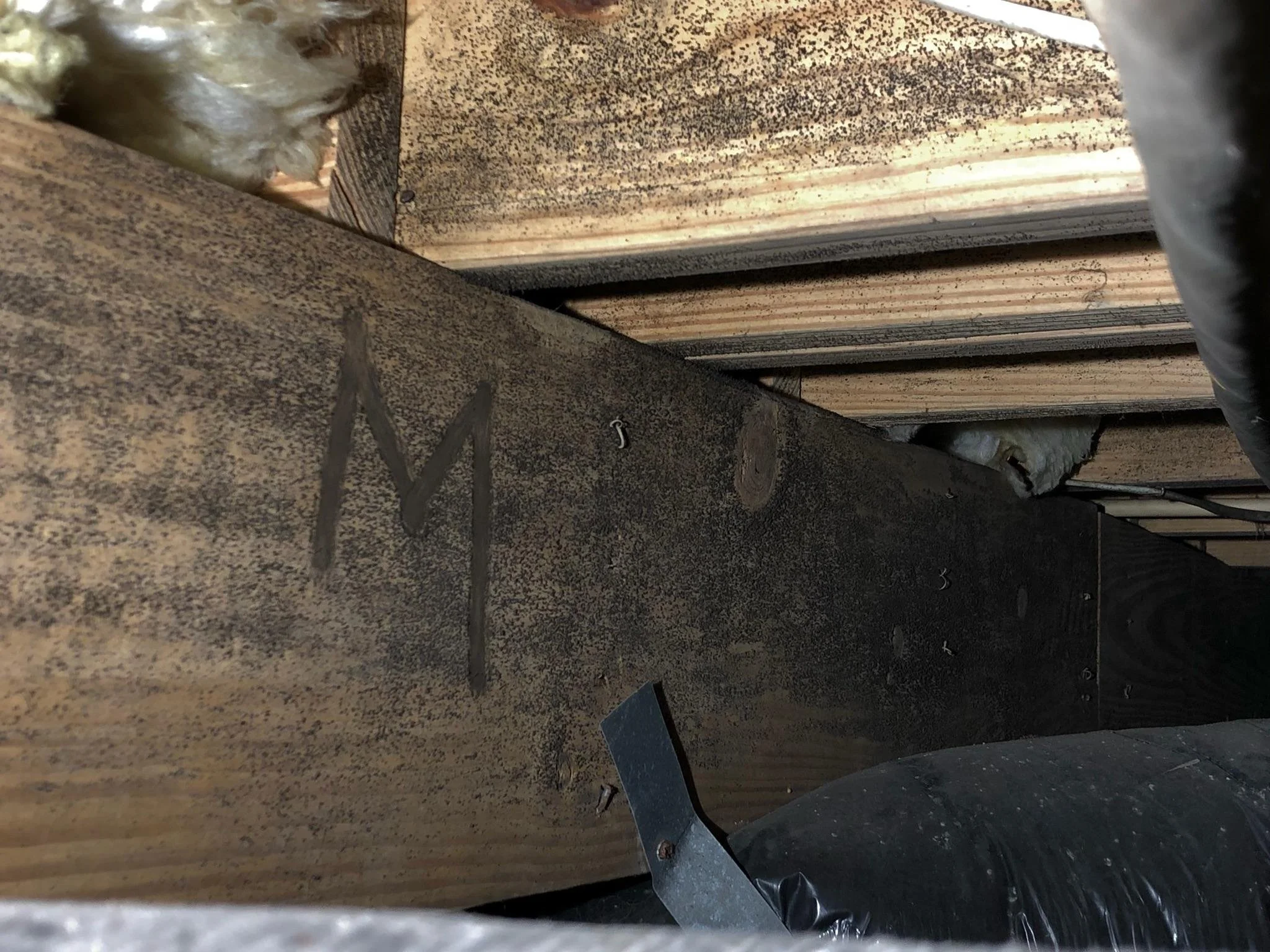
Crawl spaces aren’t exactly places homeowners visit often. In many Satellite Beach homes, the crawl space stays out of sight for years, and that’s exactly why mold problems can grow quietly underneath the house. Coastal humidity, limited airflow, and occasional water intrusion create ideal conditions for mold long before anyone realizes it’s there.
I’ve inspected crawl spaces that looked dry from the access door but revealed mold along floor joists just a few feet inside. Ever notice how some homes develop a musty smell that never quite goes away, no matter how much cleaning happens upstairs? The source often sits below the floor.
Let’s look at why crawl space mold develops and what homeowners in Brevard County should know.
Why Crawl Spaces Are Prone to Mold
Crawl spaces naturally trap moisture. Warm, humid air enters through vents or openings and condenses on cooler surfaces like framing, insulation, and subflooring.
Common causes of crawl space mold include:
- High humidity
- Poor airflow
- Standing water or damp soil
- Plumbing leaks
Rhetorical question time: if moisture settles in a dark, enclosed space and never dries, what happens over time? Mold almost always follows.
Moisture plus time equals mold growth.
Where Mold Develops in Crawl Spaces
Mold in crawl spaces usually appears in predictable locations.
Frequent areas include:
- Floor joists and subflooring
- Insulation
- Support beams
- Areas near plumbing lines
These surfaces absorb moisture and remain damp longer than materials inside living spaces.
IMO, insulation and wooden joists are two of the most common mold locations in crawl spaces.
The Role of Humidity in Crawl Space Mold
Satellite Beach’s coastal climate keeps humidity levels high most of the year. Even without leaks, humid air alone can support mold growth.
Humidity can cause:
- Condensation on wood surfaces
- Damp insulation
- Musty odors rising into living areas
FYI, crawl spaces often stay more humid than the rest of the house because airflow is limited.
Ever notice how floors sometimes feel slightly damp or cool? Crawl space moisture may be affecting conditions above.
How Water Intrusion Leads to Mold
Water intrusion accelerates mold growth dramatically. Even minor flooding or heavy rain can introduce moisture that remains trapped for long periods.
Common sources include:
- Poor drainage around foundations
- Plumbing leaks
- Groundwater seepage
Water doesn’t need to remain visible to cause problems. Moisture absorbed into wood and insulation often stays long after water disappears.
That hidden moisture becomes the real issue.
How Crawl Space Mold Affects Indoor Air
Air moves upward through a home naturally, a process sometimes called the “stack effect.” This means air from crawl spaces can enter living areas through small openings in floors and walls.
Possible signs include:
- Musty odors indoors
- Air feeling damp or stale
- Odors strongest near floors
Ever wonder why a home smells musty even when surfaces look clean? Air from the crawl space often explains that.
Air travels more than most homeowners expect.
Early Warning Signs of Crawl Space Mold
Because crawl spaces stay out of sight, early warning signs often appear elsewhere.
Watch for:
- Persistent musty odors
- Increased indoor humidity
- Cold or damp floors
These clues often indicate moisture conditions below the home.
Odors usually appear before visible mold is discovered.
The Importance of Crawl Space Inspection
Inspection helps identify:
- Moisture sources
- Mold growth
- Drainage or ventilation issues
Moisture meters and visual inspections help detect damp materials and mold development early.
Mold testing may also help determine whether airborne mold levels are elevated when indoor air quality concerns exist.
Inspection identifies the cause. Testing measures the air.
Together, they provide clarity.
Mold Removal and Remediation in Crawl Spaces
If mold is confirmed, remediation may include:
- Removing contaminated insulation
- Cleaning structural wood surfaces
- Improving drainage or ventilation
- Drying affected areas
In some cases, vapor barriers or encapsulation may help reduce moisture levels long term.
Correcting moisture remains the most important step.
Without moisture control, mold often returns.
Preventing Crawl Space Mold
Homeowners in Satellite Beach can reduce crawl space mold risk by:
- Ensuring proper drainage around foundations
- Repairing plumbing leaks promptly
- Monitoring humidity levels
- Scheduling periodic inspections
Keeping water away from the home is one of the most effective prevention steps.
Ever notice how homes with good drainage rarely develop crawl space odors? Water management matters more than most people realize.
Why Acting Early Saves Time and Money
One consistent lesson from inspections is that early attention prevents larger repairs.
When moisture problems are corrected early:
- Mold remains limited
- Repairs stay smaller
- Structural materials remain intact
Waiting allows mold to spread into insulation and framing, increasing both cost and repair time.
Maintenance almost always costs less than restoration.
Final Thoughts
Mold in crawl spaces in Satellite Beach homes usually develops because of humidity, condensation, or water intrusion combined with limited airflow. Because crawl spaces stay hidden, mold can grow for long periods before homeowners notice odors or indoor air quality changes.
Understanding early warning signs, maintaining drainage, and scheduling inspections when needed helps homeowners prevent crawl space moisture from turning into larger mold problems.