Mold in Crawl Spaces in Satellite Beach: What Homeowners in Brevard County Should Know
Crawl spaces are one of the most overlooked areas of a home, yet they are among the most vulnerable to mold—especially in coastal communities like Satellite Beach. With high humidity, salt air, frequent rain, and a naturally high water table, moisture can quietly collect beneath homes and create the perfect environment for mold to grow.
For homeowners in Satellite Beach and across Brevard County, understanding why crawl space mold happens, how it affects the rest of the home, and what actually prevents it can help avoid long-term damage and ongoing indoor comfort issues.
Why Crawl Spaces Are Prone to Mold in Florida Homes
Crawl spaces sit directly above the ground, where moisture naturally rises. In Florida’s warm, humid climate, that moisture doesn’t evaporate easily. Instead, it lingers under the home, soaking into wood framing, insulation, and subflooring.
In Satellite Beach, this issue is intensified by coastal conditions. Salt air carries moisture inland, heavy rains saturate the soil, and storm surge or poor drainage can introduce water into crawl spaces even without visible flooding.
Because crawl spaces are rarely entered, moisture problems often go unnoticed for long periods.
Why Crawl Space Mold Is Common in Satellite Beach
Satellite Beach homes face unique environmental challenges compared to inland areas like Viera or Rockledge. Proximity to the ocean means consistently higher humidity levels and more wind-driven rain.
Other common contributors include:
- Poor drainage around the home’s foundation
- Inadequate vapor barriers
- Ventilated crawl spaces allowing humid air inside
- Plumbing leaks beneath bathrooms or kitchens
- AC ductwork sweating in humid conditions
Even newer homes can develop crawl space mold if moisture control measures are insufficient or improperly installed.
Early Signs Mold May Be Developing Below the Home
Crawl space mold doesn’t always announce itself clearly. Homeowners often notice indirect signs inside the living space before discovering the source below.
Common warning signs include:
- Musty odors throughout the home
- Floors that feel damp or cool
- Increased indoor humidity
- Warped or cupping flooring
- Allergy-like irritation that seems worse indoors
These symptoms often point to moisture and mold issues rising from the crawl space into the home above.
How Crawl Space Mold Affects the Rest of the Home
Air from the crawl space doesn’t stay contained. Through natural air movement, moisture and odors can travel upward into living areas. HVAC systems can further circulate damp air throughout the house.
Over time, crawl space mold can affect indoor air quality and contribute to persistent comfort issues. Wood framing and subflooring may also weaken if exposed to ongoing moisture, increasing the risk of structural problems.
Because Satellite Beach homes are exposed to constant humidity, crawl space issues tend to worsen if left unaddressed.
Hidden Causes Homeowners Often Miss
Many crawl space mold problems aren’t caused by dramatic flooding. Instead, they develop from everyday moisture issues that go unnoticed.
Common hidden causes include:
- Missing or damaged vapor barriers
- Standing water after heavy rain
- Poor grading that directs water toward the home
- Leaking plumbing lines beneath the house
- Condensation on HVAC ducts
Without proper inspection, these conditions can persist for months or even years.
Common Myths About Crawl Space Mold
A common misconception is that crawl space mold doesn’t matter because it’s not visible. In reality, what happens below the home can directly affect indoor comfort and air quality.
Another myth is that opening crawl space vents prevents mold. In Florida’s humid climate, vented crawl spaces often allow moist outdoor air inside, making conditions worse rather than better.
Effective solutions always focus on moisture control, not just airflow.
Why DIY Crawl Space Cleanup Often Fails
Some homeowners attempt to handle crawl space mold themselves by spraying cleaners or laying plastic sheeting. While these efforts may seem helpful, they often fall short.
DIY approaches rarely address drainage issues, hidden leaks, or ongoing humidity. Disturbing mold growth without containment can also spread spores into the home.
Without professional moisture assessment and correction, crawl space mold usually returns.
Professional Mold Inspection for Crawl Spaces
A professional crawl space inspection looks at moisture sources, ventilation, insulation, and structural conditions. Inspectors evaluate vapor barriers, check for standing water, and use moisture detection tools to identify damp materials.
When appropriate, limited testing may help assess indoor conditions, but the primary goal is understanding why moisture is present and how to control it.
Local experience matters. Brevard Mold Inspections & Removal understands Satellite Beach soil conditions, coastal humidity, and common crawl space issues seen throughout Brevard County homes.
Proper Mold Removal and Remediation in Crawl Spaces
Effective remediation begins with correcting moisture sources. This may involve improving drainage, sealing foundation openings, repairing plumbing leaks, or installing or repairing vapor barriers.
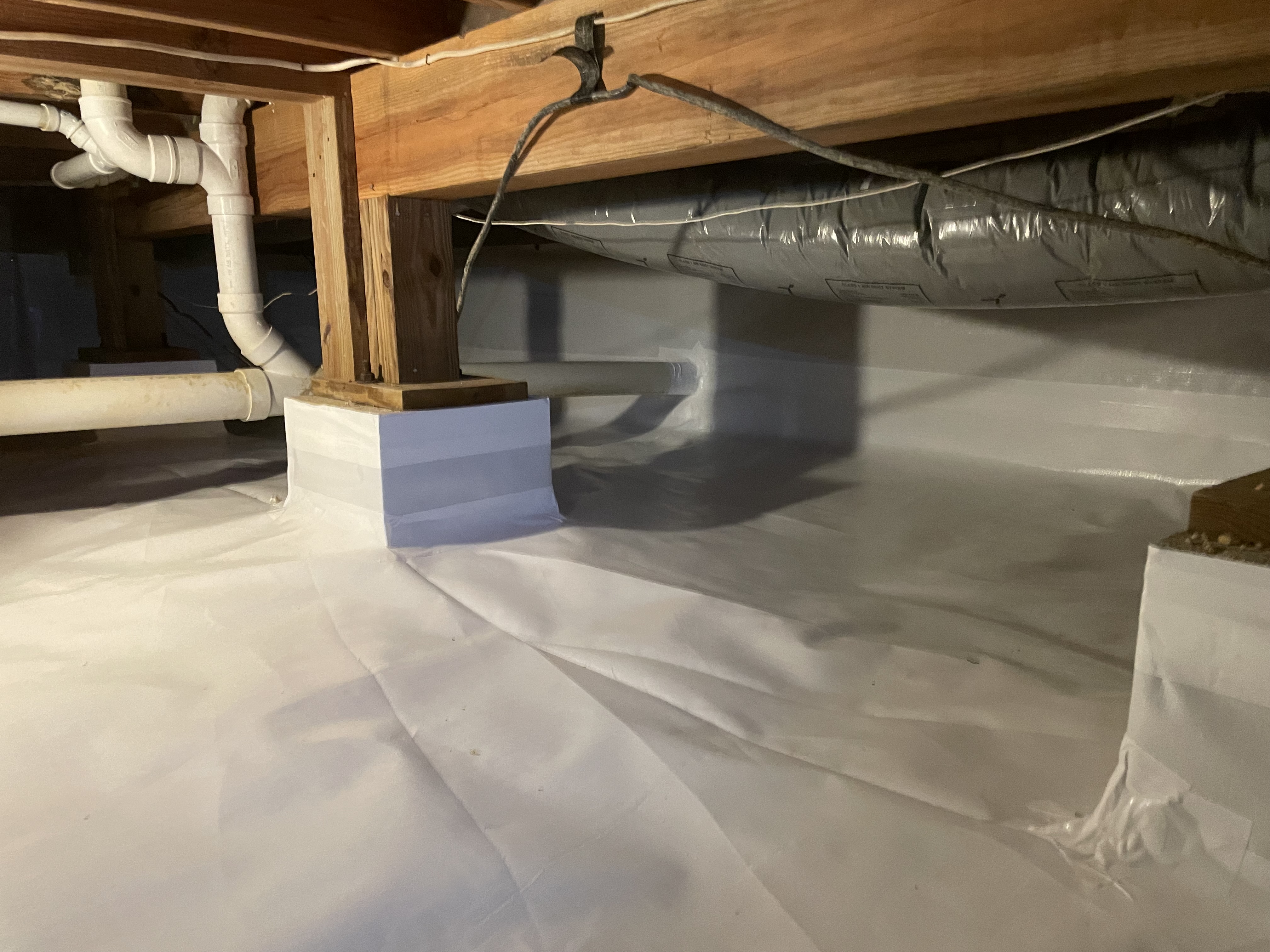
Containment is used during mold removal to prevent spores from spreading. Affected materials may be cleaned or replaced depending on severity. In some cases, crawl space encapsulation may be recommended to stabilize humidity long-term.
The goal is a dry, controlled crawl space environment that prevents mold from returning.
Preventing Crawl Space Mold in Satellite Beach Homes
Preventing crawl space mold requires consistent moisture management. Homeowners can reduce risk by:
- Ensuring proper grading and drainage around the home
- Installing and maintaining vapor barriers
- Addressing plumbing leaks promptly
- Keeping AC ductwork properly insulated
- Monitoring crawl space humidity levels
- Inspecting crawl spaces after heavy rain or storms
In coastal areas like Satellite Beach, regular checks are especially important after periods of heavy rain or tropical weather.
Why Local Brevard County Experience Matters
Crawl space conditions in Florida are very different from those in cooler or drier regions. High humidity, sandy soil, and coastal water tables require localized solutions.
Homes near the ocean in Satellite Beach face different challenges than homes in Merritt Island, Cocoa, or Palm Bay. Local professionals understand how Brevard County conditions affect crawl spaces and can recommend solutions that actually work long-term.
A Calm, Practical Way Forward
Crawl space mold is common in Satellite Beach, but it doesn’t have to become a long-term problem. With proper inspection, moisture control, and targeted remediation, most issues can be resolved effectively.
Understanding what’s happening beneath your home is the first step toward protecting indoor comfort and structural integrity. A professional evaluation provides clarity and guidance, helping homeowners take informed, confident action without unnecessary worry.
Images for This Article