
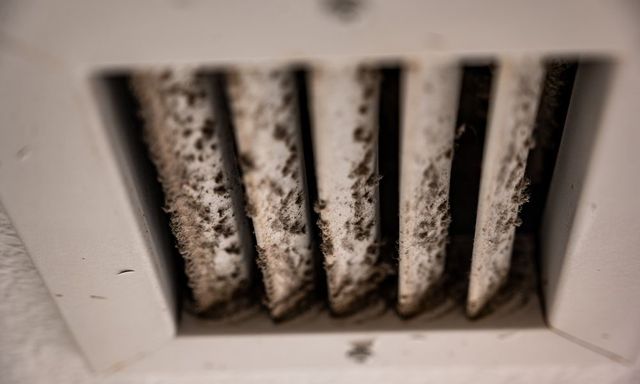
Mold in HVAC Systems in Indian Harbour Beach: What Homeowners in Brevard County Should Know
If you live in Indian Harbour Beach, your HVAC system probably runs most of the year. Between coastal humidity, warm temperatures, and long cooling seasons, air conditioning isn’t optional — it’s essential.
But here’s something many homeowners don’t realize:
Your HVAC system can become one of the most common places for mold to develop.
Across Brevard County — from Satellite Beach to Melbourne and Cocoa Beach — mold inside air handlers, ductwork, and vents is a frequent inspection finding.
The good news? It’s usually preventable. The key is understanding why it happens and how to address it properly.
Why HVAC Systems Are Vulnerable in Coastal Florida
Your HVAC system is designed to cool air and remove moisture. But when certain conditions aren’t ideal, it can also trap moisture internally.
In Indian Harbour Beach homes, several factors increase risk:
Constant Operation
Florida systems run longer and more frequently than in most states. That extended operation produces continuous condensation inside the unit.
High Outdoor Humidity
When outdoor humidity levels are high, your system works harder to remove moisture from incoming air. If drainage isn’t functioning properly, water accumulates.
Coastal Air Exposure
Salt air in oceanfront communities accelerates corrosion on metal components. Over time, this can affect drain pans and coils, increasing the chance of water pooling.
Temperature Differences
Cold evaporator coils combined with warm, humid attic air can create condensation on ductwork.
Moisture plus dust equals a potential breeding ground for mold.
Where Mold Develops in HVAC Systems
Mold inside HVAC systems typically forms in:
- Air handler cabinets
- Evaporator coils
- Drain pans
- Ductwork insulation
- Around ceiling vents
In slab homes common throughout Palm Bay and Rockledge, air handlers are often located in interior closets. If drain lines clog, water can overflow into surrounding drywall.
In attic-installed systems — common in Viera and parts of Titusville — condensation may affect both the unit and nearby roof decking.
Because HVAC systems circulate air throughout the home, mold inside them can affect multiple rooms.
Signs of Mold in Your HVAC System
Homeowners often notice:
- Musty odors when the AC turns on
- Visible dark spots around vents
- Increased dust buildup
- Condensation near registers
- Allergy-like irritation indoors
- Water stains around the air handler
If you detect a persistent smell that becomes stronger when the system runs, the source may be inside the unit.
It’s important not to ignore these signs, especially in humid coastal environments.
Common Causes in Indian Harbour Beach Homes
During inspections across Brevard County, we frequently identify the following causes:
Clogged Condensation Drain Lines
This is one of the most common issues. When the drain line backs up, water collects in the drain pan and may overflow.
Dirty Evaporator Coils
Dust buildup on coils traps moisture, creating an ideal surface for mold growth.
Oversized AC Units
Units that cool the home too quickly may not run long enough to properly dehumidify the air.
Poor Duct Insulation
When ducts run through hot attics without proper insulation, condensation forms on their surfaces.
High Indoor Humidity
If indoor humidity consistently exceeds 55%, even a well-functioning HVAC system may struggle.
Coastal communities like Indian Harbour Beach experience year-round humidity pressure, making maintenance especially important.
Why DIY Cleaning Isn’t Recommended
Homeowners sometimes attempt to spray disinfectants into vents or wipe visible mold from air handler components.
However:
- Surface cleaning does not address internal coil contamination
- Spraying chemicals into ducts can cause system damage
- Disturbing mold without containment can spread spores
- Electrical components create safety risks
HVAC systems are complex. Improper handling can lead to costly repairs or incomplete mold removal.
Addressing mold inside mechanical systems requires proper equipment and knowledge.
What a Professional HVAC Mold Inspection Includes
When mold in an HVAC system is suspected, a professional inspection focuses on identifying both contamination and moisture sources.
An evaluation typically includes:
Visual Examination
Inspecting the air handler, evaporator coil, drain pan, and accessible ductwork.
Moisture Assessment
Checking for standing water, condensation, or elevated humidity around the system.
Drain Line Evaluation
Ensuring proper flow and identifying clogs.
Airflow and Humidity Review
Assessing whether system sizing and runtime are appropriate for dehumidification.
Sampling (When Necessary)
In certain cases, air or surface samples may help clarify mold presence.
At Brevard Mold Inspections & Removal, inspections are tailored to Florida’s climate and construction styles.
The goal is identifying root causes, not simply cleaning visible surfaces.
Proper Remediation Approach
If mold is confirmed, remediation may involve:
- Cleaning or replacing contaminated components
- HEPA air filtration
- Coil cleaning
- Drain line clearing
- Duct insulation repair
- Humidity control adjustments
In some cases, replacing certain insulation materials is more effective than attempting surface cleaning.
Moisture correction remains the most important step.
Without addressing condensation or humidity issues, mold can return.
Preventing HVAC Mold in Brevard County Homes
Prevention starts with routine maintenance.
Homeowners in Indian Harbour Beach and nearby communities should:
- Service HVAC systems annually
- Flush condensation drain lines regularly
- Replace air filters consistently
- Monitor indoor humidity (ideal range: 45–55%)
- Ensure ductwork is properly insulated
- Inspect attic-installed units after storm season
After heavy rain or hurricane conditions, it’s wise to check for roof leaks near attic systems.
Homes in Merritt Island and Cape Canaveral benefit from the same proactive approach.
Why Local Experience Matters
HVAC mold in Florida behaves differently than in dry climates.
Local homes deal with:
- Extended cooling seasons
- Salt air corrosion
- High groundwater levels
- Persistent coastal humidity
An inspector unfamiliar with Brevard County conditions may overlook environmental factors that contribute to mold inside HVAC systems.
Brevard Mold Inspections & Removal understands how Florida’s climate affects mechanical systems and indoor air quality.
Local knowledge leads to practical, effective solutions.
A Calm and Practical Next Step
If you suspect mold in your HVAC system in Indian Harbour Beach, the first step is evaluation — not panic.
Ask:
- Is there a moisture problem?
- Is the drain line functioning properly?
- Is indoor humidity too high?
- Is visible mold present inside the unit?
A professional inspection provides clarity and helps determine whether cleaning, repair, or humidity control adjustments are needed.
Your HVAC system is the heart of your home’s comfort. Keeping it clean and dry protects indoor air quality and ensures long-term performance.
With Florida’s climate, proactive maintenance isn’t optional — it’s part of responsible homeownership in Brevard County.