
Mold in HVAC Systems in Indian Harbour Beach: What Homeowners in Brevard County Should Know
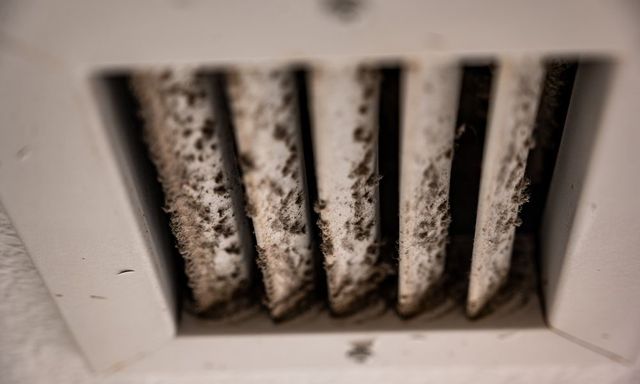
Mold problems in Brevard County homes don’t always start in obvious places like bathrooms or kitchens. In many homes across Indian Harbour Beach, Satellite Beach, Melbourne, and surrounding communities, mold begins inside the HVAC system — quietly spreading through the air long before homeowners realize there’s an issue.
Because air conditioning systems run almost year-round in Florida, they constantly move air and moisture through the home. When condensation or humidity isn’t properly controlled, mold can grow inside the system and then circulate spores throughout the house.
Understanding how mold forms in HVAC systems, how to recognize the signs, and how professionals address the problem can help homeowners protect both their property and indoor air quality.
What Mold in HVAC Systems Actually Means
Your HVAC system does more than cool the home. It also removes humidity and circulates air through ductwork and vents.
Unfortunately, moisture and dust — two things mold needs to grow — are always present inside these systems.
Common areas mold develops include:
• Air handlers
• Evaporator coils
• Drain pans
• Air ducts
• Vent openings
• Blower compartments
• Filters and filter housings
In Indian Harbour Beach homes, especially those close to the coast, salty air and high humidity make condensation even more likely. Once mold starts growing inside the system, spores can spread into every room.
This is why homeowners sometimes clean visible mold but still notice musty odors returning.
Why HVAC Mold Is Common in Brevard County Homes
Florida’s climate creates ideal conditions for mold growth, and Brevard County homes face several contributing factors.
Constant Humidity
Humidity levels often stay high year-round, especially in coastal areas like Cocoa Beach, Cape Canaveral, and Satellite Beach.
Even well-maintained systems produce condensation, and excess humidity can linger inside ducts.
Heavy Rain and Storm Season
Hurricanes and tropical storms regularly impact Brevard County. After storms, moisture can infiltrate attic ductwork or air systems, allowing mold to develop unnoticed.
AC Running Most of the Year
Unlike colder climates, Brevard County homes rely heavily on air conditioning almost all year. Continuous operation increases condensation exposure.
Coastal Salt Air
Homes near the ocean experience corrosion and moisture buildup more quickly, impacting HVAC components.
Aging Systems
Older HVAC systems common in Titusville, Rockledge, and older Melbourne neighborhoods may lack modern humidity controls.
Signs Mold May Be Growing in Your HVAC System
Because HVAC systems are hidden, mold often goes unnoticed until symptoms appear around the home.
Common warning signs include:
• Persistent musty or damp odor when AC runs
• Odor stronger near vents
• Visible mold on vent covers
• Dark dust or spotting around air registers
• Increased allergy-like irritation indoors
• Frequent sneezing or sinus discomfort at home
• Dust buildup returning quickly after cleaning
• Excess condensation around vents
Some homeowners report the smell disappears when the AC is off, then returns when cooling resumes.
Hidden Causes Homeowners Often Miss
Mold in HVAC systems often starts somewhere homeowners don’t see.
Drain Line Problems
If condensate drain lines clog, water backs up into the system.
Poorly Insulated Ductwork
Ducts in hot attics or crawl spaces may sweat from temperature differences.
Past Water Damage
Storm flooding or roof leaks may have soaked duct insulation.
Dirty Coils and Filters
Dust buildup traps moisture, feeding mold growth.
Oversized AC Units
Systems that cool too quickly don’t run long enough to remove humidity properly.
These hidden moisture problems allow mold to thrive unnoticed.
Why DIY Cleaning or Ignoring the Problem Makes Things Worse
Homeowners sometimes try to clean vents themselves or spray disinfectants into ducts.
Unfortunately, this rarely fixes the real issue.
Common DIY mistakes include:
• Cleaning vents but not addressing mold deeper in the system
• Using bleach, which doesn’t work well on porous materials
• Spreading spores during cleaning
• Ignoring moisture sources that caused mold
• Damaging duct materials with chemicals
Without addressing moisture and contamination inside the system, mold usually returns.
How Professional Mold Inspection & Testing Works
Professional inspection focuses on locating both mold growth and the moisture source.
A proper inspection typically includes:
Visual Examination
Technicians inspect air handlers, duct openings, drain pans, and system components.
Moisture Detection
Meters identify hidden moisture inside walls or ceilings around ducts.
Air and Surface Testing (When Needed)
Samples can confirm mold presence and types in the air or on surfaces.
System Condition Assessment
Inspectors look for drainage, airflow, and insulation issues contributing to mold.
Companies like Brevard Mold Inspections & Removal use inspection results to determine whether cleaning, remediation, or repairs are necessary.
Proper Mold Removal and HVAC Remediation
Correct remediation focuses on both mold removal and moisture correction.
Steps may include:
Containment
Preventing spores from spreading during cleanup.
HEPA Filtration
Capturing airborne mold spores during work.
Cleaning or Replacing Components
Cleaning coils, replacing contaminated insulation, or repairing drain systems.
Duct Cleaning or Replacement
Severely contaminated ductwork may need replacement.
Moisture Correction
Fixing humidity, drainage, or insulation problems to prevent recurrence.
The goal is long-term improvement, not temporary cleaning.
Preventing HVAC Mold in Florida Homes
Prevention is often simpler than remediation when systems are maintained properly.
Homeowners in Indian Harbour Beach and throughout Brevard County can reduce risk by:
• Replacing filters regularly
• Scheduling annual HVAC maintenance
• Keeping drain lines clear
• Monitoring indoor humidity levels
• Using dehumidifiers when needed
• Ensuring attic duct insulation is intact
• Checking systems after storms or flooding
• Keeping vents unobstructed for proper airflow
Simple maintenance reduces moisture buildup and mold growth risk.
Why Local Brevard County Experience Matters
Homes across Brevard County face mold challenges unique to coastal Florida.
Local professionals understand:
• Coastal humidity patterns
• Hurricane-related moisture issues
• Common building styles in Palm Bay, Viera, and Cocoa
• Slab home moisture behavior
• Older neighborhood construction challenges
Local expertise allows inspectors to identify problems quickly and recommend solutions suited to Florida conditions.
Brevard Mold Inspections & Removal works with homeowners, landlords, and property managers throughout the county who face these recurring issues.
A Calm Next Step for Concerned Homeowners
If you notice musty smells, mold near vents, or worsening indoor air quality, having your HVAC system inspected can provide clarity and peace of mind.
Not every situation requires major remediation. Sometimes simple maintenance or moisture correction solves the issue.
A professional inspection can determine what’s really happening and help you decide the best course of action for your home.
Acting early often prevents larger, more expensive problems later — especially in Brevard County’s humid climate where mold spreads quickly once conditions allow.
Image Generation Prompts
- Realistic residential HVAC air handler unit in Florida home showing visible mold growth and condensation inside system components, no people, no text, clean technical environment.
- Interior attic ductwork in a humid coastal home showing moisture buildup and mold contamination on insulated air ducts, realistic lighting, no people, no logos, professional inspection context.