
Mold in HVAC Systems in Indian Harbour Beach: What Homeowners in Brevard County Should Know
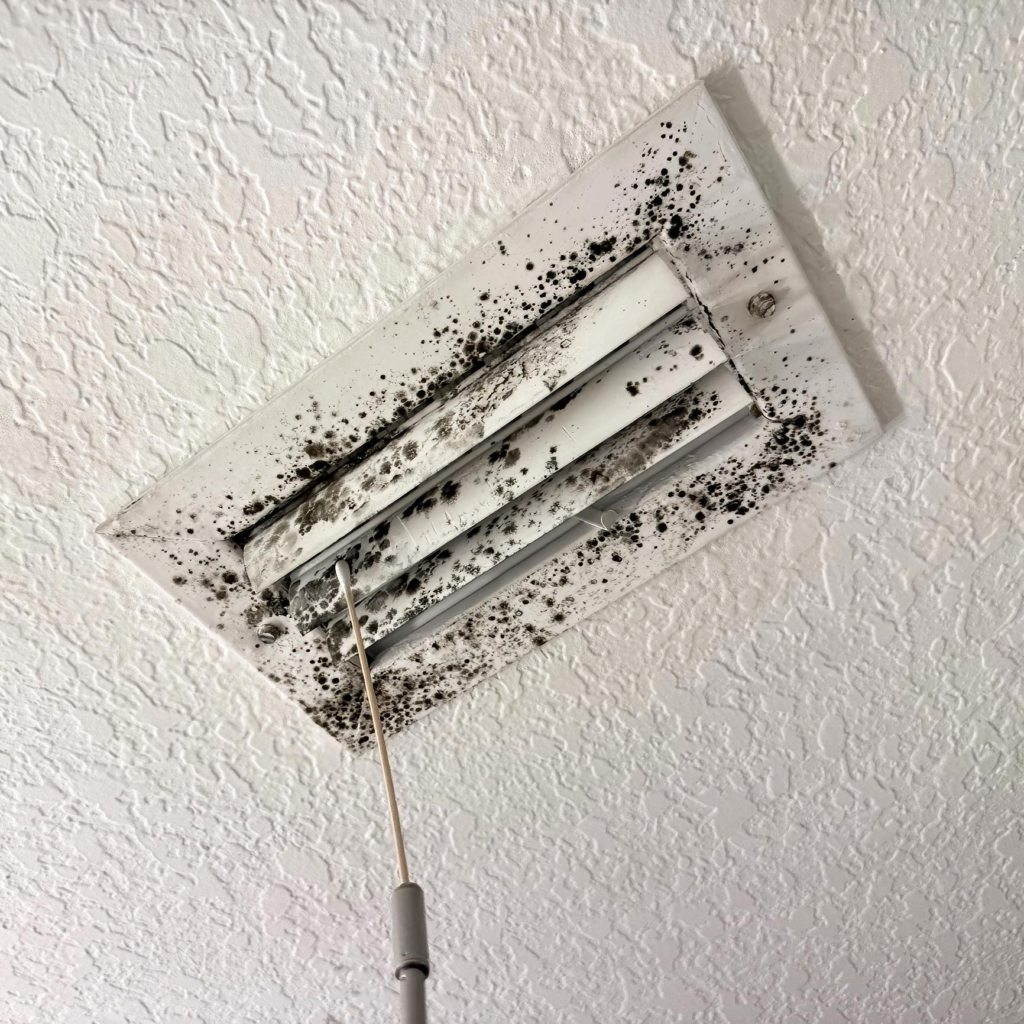
If you live in Indian Harbour Beach, your HVAC system probably runs more than you realize. Between coastal humidity, warm temperatures most of the year, and long summer seasons, air conditioning is essential in Brevard County.
But here’s what many homeowners don’t realize: your HVAC system can also become a hidden source of mold growth.
From oceanfront condos in Indian Harbour Beach to single-family homes in Satellite Beach, Melbourne, and Cocoa Beach, mold inside air handlers and ductwork is something we see regularly along the coast.
Let’s break down why this happens, what signs to watch for, and what homeowners in Brevard County should know.
Why HVAC Systems Are Vulnerable in Coastal Florida
HVAC systems naturally deal with moisture.
When warm, humid air passes over cold evaporator coils, condensation forms. That moisture is supposed to drain safely away through a condensate line.
In Indian Harbour Beach, several local factors increase mold risk:
- High coastal humidity
- Salt air exposure
- Nearly year-round AC use
- Warm attic temperatures
- Frequent storms and power outages
When condensation doesn’t drain properly — or when humidity remains elevated — mold can begin growing inside the system.
Where Mold Develops Inside HVAC Systems
In Brevard County homes, mold in HVAC systems commonly forms in:
Evaporator Coils
Cold coils collect condensation constantly. If dust accumulates, mold can grow on the coil surface.
Drain Pans
Clogged drain lines can cause water to sit in the pan longer than intended.
Standing water inside an air handler creates ideal conditions for mold.
Ductwork in Attics
In homes across Melbourne and Palm Bay, ducts run through extremely hot attics.
Cold air moving through warm, humid attic space causes duct sweating.
Condensation can collect on surrounding insulation and wood framing.
Air Handler Closets
Many Indian Harbour Beach homes have indoor air handlers located in utility closets.
If airflow is restricted or humidity is high, mold can form around the unit.
Return Air Plenums
Dust buildup inside return ducts provides organic material for mold growth when moisture is present.
Why Coastal Conditions Make It Worse
Indian Harbour Beach sits directly along the Atlantic coast.
Salt air contributes to:
- Corrosion of metal components
- Drain line deterioration
- Faster wear of HVAC parts
Humidity levels remain elevated even when it’s not raining.
When AC systems cycle on and off, condensation repeatedly forms and evaporates. Over time, that moisture can linger in hidden areas.
Homes in Cape Canaveral and Cocoa Beach experience similar conditions.
Common Signs of HVAC Mold
Mold inside HVAC systems often presents subtle signs.
Homeowners frequently notice:
- Musty odors when AC turns on
- Mold around supply vents
- Increased dust accumulation
- Dark discoloration on vent covers
- Indoor humidity that feels higher than normal
- Allergy-like irritation indoors
In some cases, homeowners in Rockledge or Merritt Island report that the odor is strongest after heavy rain.
Humidity reactivates mold smell.
Why Cleaning Vents Isn’t Enough
It’s common for homeowners to remove vent covers and wipe them down.
But visible mold on a vent grille may only reflect what’s happening deeper in the duct system.
Surface cleaning does not address:
- Coil contamination
- Drain pan overflow
- Duct insulation moisture
- High indoor humidity
If moisture remains inside the HVAC system, mold will return.
In Brevard County’s humid climate, the source must be corrected.
How Mold in HVAC Systems Affects the Home
Your HVAC system circulates air throughout your home.
If mold is present inside ducts or on coils, spores can spread through supply vents into living areas.
That doesn’t mean every HVAC system with minor mold is a major hazard. But it does mean moisture and contamination inside the system should be evaluated.
In tightly sealed homes in Viera and Melbourne, air recirculates frequently, making HVAC cleanliness important.
How Professional HVAC Mold Inspections Work
A structured inspection focuses on moisture and airflow.
In Indian Harbour Beach homes, this typically includes:
Visual Inspection
Examining the air handler, drain pan, evaporator coils, and visible ductwork.
Moisture Assessment
Checking for standing water, condensation buildup, and clogged drain lines.
Attic Duct Evaluation
Inspecting insulated ductwork in attic spaces for sweating and moisture damage.
Humidity Measurement
Assessing indoor humidity levels throughout the home.
Air Sampling (If Necessary)
If indoor air quality concerns exist, sampling can help determine whether elevated mold levels are present.
The goal is identifying why mold developed — not just confirming that it exists.
Proper Remediation for HVAC Mold
If mold is confirmed in the HVAC system, remediation may include:
- Cleaning or replacing contaminated components
- Clearing and flushing drain lines
- Cleaning evaporator coils
- Replacing insulation around ducts
- Improving airflow
- Correcting humidity levels
- Sealing air leaks in attic ductwork
In some cases, upgrading insulation or installing a whole-home dehumidifier can help prevent recurrence.
Moisture control is the foundation of effective remediation.
Preventing HVAC Mold in Indian Harbour Beach
Homeowners in Brevard County can reduce risk with consistent maintenance.
Practical steps include:
- Annual HVAC servicing
- Flushing condensate drain lines
- Changing air filters regularly
- Monitoring indoor humidity
- Inspecting attic duct insulation
- Ensuring drain pans slope properly
- Installing float switches on condensate lines
- Using dehumidifiers during peak humidity
After hurricanes or heavy storms, it’s wise to inspect attic spaces and HVAC components for moisture buildup.
Salt air corrosion can accelerate component wear.
Why Local Experience Matters
HVAC mold in Indian Harbour Beach differs from systems in dry inland states.
Here, we deal with:
- Coastal humidity
- Salt air corrosion
- Slab foundations
- High attic temperatures
- Continuous AC operation
- Frequent storm exposure
Homes in Indian Harbour Beach may have different ventilation layouts than properties in Palm Bay or Titusville.
Understanding how Florida construction interacts with moisture helps pinpoint causes accurately.
Local experience ensures moisture pathways are not overlooked.
A Calm, Practical Next Step
If you notice musty odors when your AC runs or see mold around vents in your Indian Harbour Beach home, a professional evaluation can provide clarity.
Most HVAC mold issues are manageable when addressed early.
There’s no need for alarm — but there is value in understanding what’s happening inside your system.
If you’d like a thorough inspection of your HVAC system and surrounding moisture conditions, Brevard Mold Inspections & Removal offers experienced, locally informed evaluations tailored to Brevard County homes.
In coastal Florida, managing moisture inside your HVAC system protects both your home and your comfort year-round.