
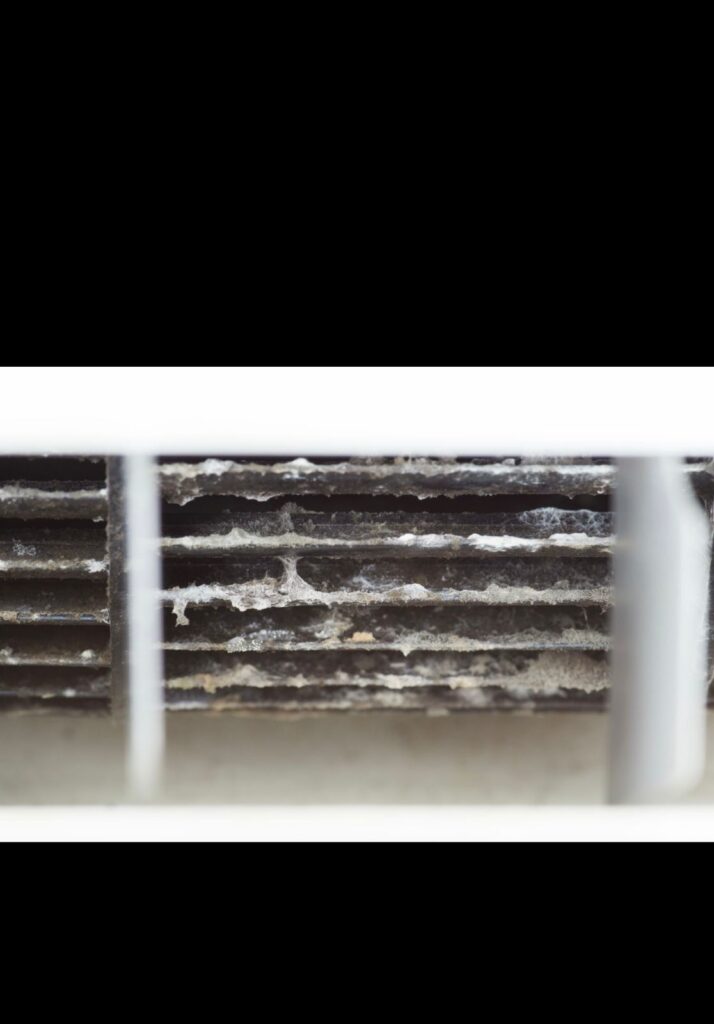
Mold in HVAC Systems in Indian Harbour Beach: What Homeowners in Brevard County Should KnowIn Indian Harbour Beach, HVAC systems run almost year-round—and that constant use makes them one of the most common hidden sources of mold in local homes. Air conditioners naturally create moisture as they cool the air. In a coastal environment where humidity stays high, that moisture doesn’t always drain or dry the way it should. When it lingers, mold can take hold inside the system that circulates air to every room.Many homeowners don’t realize there’s a problem until musty odors, allergy symptoms, or recurring mold show up throughout the house. Understanding how HVAC mold develops, where it hides, and how to prevent it can protect both indoor air quality and long-term home value.⸻Why HVAC Mold Is So Common in Indian Harbour BeachCoastal conditions put extra strain on HVAC systems: • High humidity year-round • Salt air that holds moisture • Frequent rain and coastal storms • Heavy AC use • Condensation on cooling components • Homes sealed tightly for energy efficiencyHVAC systems are designed to remove heat—not always moisture efficiently. When humidity stays high, water can accumulate inside system components and feed mold growth.⸻How Mold Develops Inside HVAC SystemsMold growth usually begins with condensation.As warm, humid air passes over cold evaporator coils: • Moisture forms on coils • Water drips into drain pans • Drain lines may clog or drain slowly • Dust inside the system provides a food sourceDarkness, moisture, and dust create ideal mold conditions—often without visible signs at first.⸻Common Places Mold Is Found in HVAC SystemsAir Handler and Evaporator CoilsThese components stay damp the longest.Problems often include: • Dirty coils • Restricted airflow • Constant condensation • Poor drainageThis area is a frequent starting point for HVAC mold.⸻Condensate Drain Pan and Drain LineStanding water is one of the biggest mold triggers.Common issues: • Algae and slime buildup • Partial or full drain clogs • Overflow during heavy humidityEven small amounts of standing water can support mold growth.⸻DuctworkOnce mold reaches the ducts, it can spread easily.Why ducts are vulnerable: • Moist air moving through them • Dust lining the interior • Insulated ductwork trapping moistureMold in ducts allows spores to reach every room.⸻Supply and Return VentsVent contamination often signals a deeper system issue.Clues include: • Dark buildup around vent edges • Musty smells when AC turns on⸻Warning Signs of HVAC MoldHVAC mold often affects homeowners before it’s visible.Odor Clues • Musty or sour smells when the AC starts • Odors that spread through multiple rooms • Smells strongest near vents⸻Health Clues • Increased allergies indoors • Sinus congestion or coughing • Headaches or throat irritation • Asthma symptoms worsening at home • Symptoms improving when away⸻Comfort Clues • Home feels cool but humid • Stale or heavy indoor air • Odors return quickly after cleaningIf symptoms appear throughout the home, the HVAC system is often the common source.⸻Why HVAC Mold Is More Serious Than Surface MoldMold inside HVAC systems is especially problematic because: • Airflow spreads spores continuously • Exposure happens every time the system runs • Mold can reach hidden areas easily • Indoor air quality is directly affectedEven a small amount of mold inside the system can impact the entire home.⸻Why DIY HVAC Mold Cleaning Usually FailsDIY efforts rarely address the full problem.Common mistakes include: • Cleaning vents but ignoring ducts • Spraying cleaners inside air handlers • Using bleach on HVAC components • Running the system during cleaning • Ignoring moisture and drainage issuesThese actions often spread spores and allow mold to return quickly.⸻What a Professional HVAC Mold Inspection Looks ForProfessional inspections focus on moisture, airflow, and contamination.Inspectors typically evaluate: • Air handler and coil condition • Drain pan and drain line function • Duct interiors • Humidity levels • Airflow balance • Signs of recurring moistureHidden mold is often discovered even when vents look clean.⸻Mold Testing and HVAC SystemsTesting isn’t always required, but it can help when: • Mold is suspected but not visible • Health symptoms are present • Odors persist without explanation • Documentation is neededTesting helps determine whether HVAC mold is contributing to indoor air quality issues.⸻HVAC Mold Remediation: What It InvolvesProper remediation addresses both mold and moisture.Typical remediation steps include: 1. Containment to prevent spore spread 2. HEPA air filtration 3. Cleaning or removal of contaminated components 4. Antimicrobial treatment 5. Correcting drainage, airflow, and humidity problemsIn some cases, damaged insulation or duct sections must be replaced.⸻How Long HVAC Mold Remediation TakesTimelines vary by severity: • Minor contamination: 1–2 days • Moderate system involvement: several days • Extensive duct or system contamination: longer, especially if repairs are neededRushing remediation increases recurrence risk.⸻Preventing Mold in HVAC SystemsPrevention focuses on moisture control and maintenance.Key Prevention Steps • Change HVAC filters regularly • Keep condensate drain lines clear • Schedule routine HVAC maintenance • Maintain indoor humidity below 50% • Avoid turning AC completely off when away • Address musty odors early • Ensure proper airflow throughout the homeWell-maintained systems are far less likely to develop mold.⸻Storms, Power Outages, and HVAC Mold RiskPower outages increase mold risk quickly.When AC stops: • Humidity rises fast • Moisture settles inside ducts and air handlers • Mold-friendly conditions develop within hoursAfter power returns: • Restart AC promptly • Check drain pans • Monitor humidity • Watch for new odors⸻Insurance and HVAC MoldInsurance coverage depends on what caused the moisture, not where the mold is.Mold may be covered if it resulted from: • Sudden plumbing failures • Appliance malfunctions • Storm-related water intrusionMold caused by long-term humidity or poor maintenance is often excluded. Documentation matters.⸻When to Call a ProfessionalProfessional help is recommended if: • Musty odors persist when AC runs • Mold is visible in vents or air handlers • Allergy symptoms worsen indoors • Humidity stays high despite AC use • Mold returns after cleaning • There has been water damage or power outagesEarly action prevents whole-home contamination.⸻Why Ignoring HVAC Mold Gets ExpensiveUnchecked HVAC mold can lead to: • Poor indoor air quality • Ongoing health symptoms • Contaminated ductwork • Higher remediation costs • Reduced home valueBecause HVAC systems affect every room, mold here rarely stays isolated.⸻Final Thoughts for Indian Harbour Beach HomeownersIn Indian Harbour Beach, mold in HVAC systems is one of the most common hidden problems homeowners face. The mix of humidity, salt air, and constant AC use creates perfect conditions for mold to grow quietly inside the system that moves air throughout your home.Staying proactive with maintenance, monitoring humidity, and responding quickly to odors or symptoms protects indoor air quality and prevents small HVAC moisture issues from becoming costly mold problems.