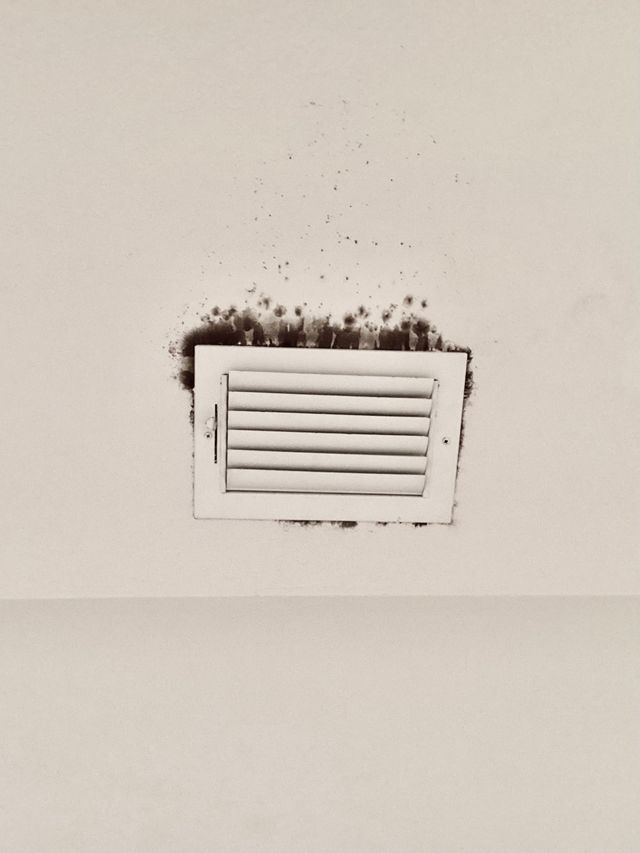
Mold in HVAC Systems in Indian Harbour Beach: What Homeowners in Brevard County Should Know
In Indian Harbour Beach, HVAC systems run almost year-round. They cool the home, remove some humidity, and keep indoor air moving—but they can also become one of the most common places mold develops, especially in coastal conditions. Many homeowners first notice a musty smell when the AC turns on or feel that indoor air never seems quite fresh, even though the home looks clean.
In Brevard County’s coastal climate, mold in HVAC systems is rarely about neglect. It’s usually the result of condensation, constant humidity, and moisture that doesn’t fully dry inside the system. Understanding why mold develops in HVAC components, how it affects the rest of the home, and what actually fixes the problem helps Indian Harbour Beach homeowners prevent recurring issues and protect indoor comfort.
Why HVAC Mold Is Common in Indian Harbour Beach
Indian Harbour Beach sits directly along the Atlantic, where humidity levels stay high most of the year. HVAC systems in this environment work harder and longer, creating ideal conditions for moisture buildup.
Local factors that increase HVAC mold risk include:
- Constant coastal humidity
- AC systems running most of the year
- Salt air contributing to corrosion and wear
- Condensation forming on cold components
- Homes kept closed and air-conditioned
- Limited natural drying periods
HVAC systems naturally collect moisture, but when that moisture doesn’t drain or dry properly, mold can grow.
How Mold Develops Inside HVAC Systems
HVAC systems remove humidity from the air by cooling it. That moisture has to go somewhere—and when drainage or airflow isn’t ideal, it stays inside the system.
Mold commonly develops when:
- Condensate drain lines clog or slow
- Drain pans hold standing water
- Evaporator coils remain damp
- Ductwork experiences repeated condensation
- Airflow is restricted
Over time, these conditions allow mold to grow quietly inside components homeowners rarely see.
Common HVAC Areas Where Mold Is Found
Mold doesn’t grow evenly throughout the HVAC system. It shows up where moisture collects and airflow is limited.
High-risk HVAC areas include:
- Air handlers
- Evaporator coils
- Condensate drain pans
- Drain lines
- Duct insulation
- Supply vents with repeated condensation
Because these components are connected, mold in one area can affect the entire system.
Why HVAC Mold Affects the Whole Home
Unlike mold in a single room, HVAC mold has the potential to influence every space the system serves.
When the AC runs:
- Air passes over damp components
- Mold spores can become airborne
- Odors circulate throughout the home
- Humidity and comfort levels feel inconsistent
This is why HVAC-related mold often presents as a whole-house issue rather than a single visible spot.
Warning Signs of Mold in HVAC Systems
HVAC mold often reveals itself through changes in air quality rather than visible growth.
Common warning signs include:
- Musty or earthy odors when the AC turns on
- Odors strongest near vents
- Mold recurring in multiple rooms
- Condensation forming repeatedly around vents
- Increased indoor humidity despite cooling
- Air that feels stale or heavy
These signs often point to moisture problems inside the system.
Why Coastal Humidity Makes HVAC Mold Harder to Control
In Indian Harbour Beach, outdoor humidity is often higher than indoor humidity. This limits how quickly HVAC systems can dry internally.
Coastal challenges include:
- Moist air constantly entering the home
- Limited dry-air cycles
- Salt air affecting seals and components
- Slower evaporation inside ductwork
Even properly functioning systems can struggle if maintenance and drainage aren’t consistent.
HVAC Mold and Condensation at Vents
Many homeowners notice mold or staining around vents and assume the problem is only cosmetic.
In reality, vent mold often indicates:
- Excess humidity
- Cold air meeting warm, moist air
- Insulation issues inside ductwork
- Ongoing condensation problems
Cleaning vent covers alone doesn’t resolve the underlying moisture issue.
The Role of Drain Lines and Drain Pans
Condensate drain lines and pans are a major source of HVAC mold problems.
Issues arise when:
- Drain lines clog with debris or algae
- Pans don’t drain completely
- Standing water remains after AC cycles
Standing water is one of the most reliable ways mold develops inside HVAC systems.
Why DIY HVAC Mold Cleaning Often Fails
DIY attempts to address HVAC mold usually focus on what’s visible.
DIY approaches fall short because:
- Mold grows inside inaccessible components
- Sprays don’t reach coils or drain pans
- Moisture sources remain unchanged
- Cleaning can spread spores through ducts
Without addressing drainage, airflow, and humidity, HVAC mold almost always returns.
Hidden HVAC Mold and Why It’s Missed
One of the biggest challenges with HVAC mold is that it’s often hidden from view.
Hidden HVAC mold may exist:
- Inside air handlers
- On the back side of coils
- Inside insulated ductwork
- Beneath standing water in drain pans
Homeowners may smell mold long before they ever see it.
The Importance of a Professional HVAC Mold Inspection
A professional mold inspection looks beyond visible mold and focuses on how moisture behaves inside the system.
An inspection may include:
- Evaluating air handlers and drain pans
- Checking condensate drain lines
- Inspecting evaporator coils
- Identifying condensation patterns
- Assessing airflow and humidity levels
This approach helps determine whether mold is present and why it developed.
Brevard Mold Inspections & Removal works with Indian Harbour Beach homeowners to identify HVAC mold conditions clearly and explain moisture-related causes without pressure or alarm.
Mold Testing and HVAC Concerns
Mold testing isn’t always required, but it can help when HVAC involvement is suspected.
Testing may be useful when:
- Odors persist without visible mold
- Mold appears in multiple rooms
- HVAC components may be the source
- Confirmation is needed after remediation
Testing is most effective when paired with inspection findings that explain moisture behavior.
Proper Remediation for HVAC Mold
When HVAC mold is confirmed, remediation focuses on removal and prevention, not masking odors.
A proper remediation approach may include:
- Cleaning or removing contaminated components
- Addressing drainage and standing water
- Correcting airflow or insulation issues
- Drying affected areas thoroughly
- Managing indoor humidity
Without fixing moisture conditions, HVAC mold will return.
Preventing Mold in HVAC Systems
Prevention is far easier than repeated cleanup.
Helpful prevention steps include:
- Regular HVAC maintenance
- Keeping condensate drain lines clear
- Checking drain pans for standing water
- Monitoring indoor humidity
- Addressing condensation at vents early
- Keeping systems running during travel
Consistent maintenance is key in coastal environments.
HVAC Mold After Storms and Power Outages
Storms and outages increase HVAC mold risk significantly.
After outages:
- AC systems stop removing humidity
- Indoor moisture rises quickly
- Condensation forms when systems restart
- Drain pans may overflow
Post-storm system checks help prevent mold from developing unnoticed.
Why Local Indian Harbour Beach Experience Matters
HVAC mold behaves differently in coastal Florida than in dry climates. Indian Harbour Beach homes face challenges tied to humidity, salt air, and long cooling seasons.
Local professionals understand:
- How coastal humidity affects HVAC systems
- Where condensation commonly forms locally
- How storms and outages change moisture behavior
Local experience leads to more accurate evaluations and longer-lasting solutions.
A Calm, Practical Takeaway for Homeowners
Mold in HVAC systems is common in Indian Harbour Beach—but it doesn’t have to become an ongoing problem. Most issues trace back to moisture that didn’t drain or dry properly inside the system, not to severe damage or neglect.
If your home has persistent odors when the AC runs, recurring mold near vents, or humidity that’s hard to control, a professional inspection can provide clarity. Understanding how moisture is affecting your HVAC system is the most effective way to restore indoor comfort and prevent mold in Brevard County’s coastal climate.