
Mold in HVAC Systems in Indian Harbour Beach: What Homeowners in Brevard County Should Know
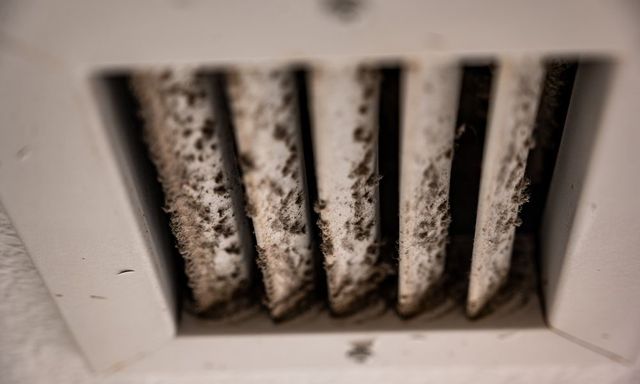
HVAC systems are one of the most common places mold hides in Indian Harbour Beach homes. Coastal humidity, constant AC use, and condensation inside equipment create ideal conditions for mold to grow—then spread throughout the house every time the system runs.
Why HVAC Systems Are Prone to Mold
Air conditioners cool air, but they also create moisture.
Mold-friendly conditions include:
- Condensation on evaporator coils
- Clogged or poorly draining condensate lines
- Standing water in drain pans
- Damp insulation inside ductwork
When moisture doesn’t drain properly, mold settles in quickly.
Where Mold Commonly Develops in HVAC Systems
Inspections frequently uncover mold in:
- Air handlers and evaporator coils
- Drain pans and condensate lines
- Supply ducts and insulation
- Return plenums near moisture sources
HVAC mold often spreads before homeowners notice any visual signs.
How HVAC Mold Affects Indoor Air Quality
Once mold grows inside the system, spores circulate every time the AC turns on.
Homeowners often notice:
- Musty odors when the system starts
- Mold appearing in multiple rooms
- Allergy or respiratory symptoms indoors
HVAC involvement explains whole-home mold issues.
Why HVAC Mold Requires Professional Attention
Cleaning vents or changing filters alone won’t solve HVAC mold.
Proper treatment includes:
- Identifying and correcting drainage or airflow issues
- Cleaning or remediating contaminated components
- Preventing spores from spreading during service
Skipping steps allows mold to return quickly.
Why Mold Inspection and Testing Matter
Mold inspection identifies HVAC contamination and moisture sources. Mold testing confirms airborne exposure and system-wide spread.
A complete approach includes:
- Mold inspection
- Mold testing
- Targeted mold removal
- Full mold remediation
Correcting moisture inside the system prevents recurrence.
Final Thoughts
For homeowners in Indian Harbour Beach, HVAC mold affects the entire home—not just one room. Addressing condensation and airflow early keeps mold from spreading through the system and into indoor air.