
Mold in HVAC Systems in : What Homeowners in Should Know
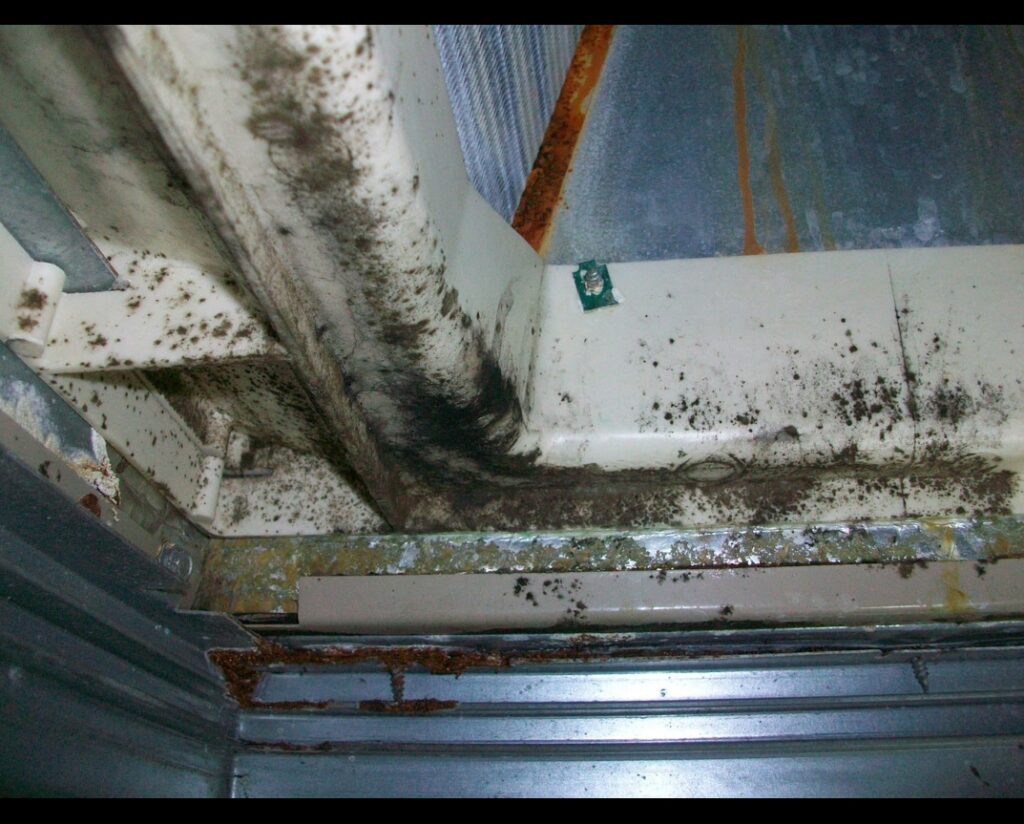
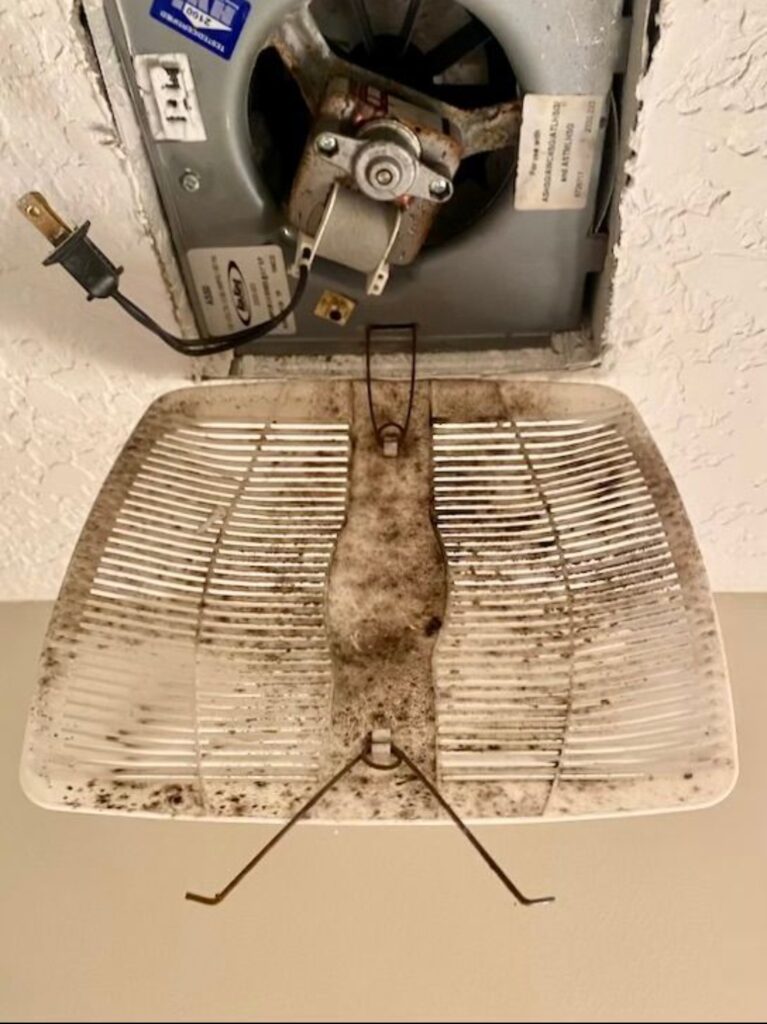
Mold in HVAC systems is one of the most common—and most overlooked—mold problems in Palm Bay homes. Because the HVAC system moves air throughout the entire house, mold inside it doesn’t stay contained. It spreads spores into every room, affecting indoor air quality long before homeowners realize what’s happening.
In Brevard County’s hot, humid climate, HVAC systems constantly battle moisture. When that moisture isn’t controlled properly, mold growth becomes almost inevitable.
Why HVAC systems in Palm Bay are prone to mold
Palm Bay homes rely heavily on air conditioning for most of the year. That creates the perfect environment for mold when:
- Warm, humid air meets cold AC components
- Condensation forms inside the system
- Moisture doesn’t fully drain or dry
HVAC systems naturally produce moisture. Mold develops when that moisture lingers.
Common causes of HVAC mold
Most HVAC-related mold problems start with one or more of the following:
Condensation buildup
Cold evaporator coils and ductwork can cause condensation, especially when insulation is damaged or airflow is restricted.
Clogged or improperly draining condensate lines
When drain lines back up, water collects inside the air handler, creating a constant moisture source.
High indoor humidity
Even if the AC is cooling properly, humidity levels that stay too high allow mold to grow inside ducts and components.
Dirty or neglected systems
Dust and debris inside HVAC systems provide food for mold when moisture is present.
Leaky ductwork
Duct leaks can pull humid attic or crawl space air into the system, increasing moisture levels.
Where mold is usually found in HVAC systems
In Palm Bay homes, mold commonly develops:
- Inside the air handler cabinet
- On evaporator coils
- In drain pans
- Inside supply and return ducts
- Around vents and registers
Because much of this growth is hidden, homeowners often don’t see it until symptoms appear.
Signs your HVAC system may have mold
Common warning signs include:
- Musty or mildew-like odors when the AC runs
- Allergy or asthma symptoms that worsen indoors
- Visible discoloration around vents
- Excessive dust buildup
- Persistent humidity despite cooling
If symptoms improve when the system is off or when you leave the house, HVAC mold is a strong possibility.
Why HVAC mold affects the entire home
Unlike mold in a single room, HVAC mold spreads because:
- Air circulation distributes spores
- Systems run daily for long periods
- Ductwork reaches every living space
This makes HVAC mold an indoor air quality issue—not just a localized problem.
Health concerns linked to HVAC mold
Long-term exposure to mold circulated through HVAC systems may contribute to:
- Chronic sinus congestion
- Persistent coughing or wheezing
- Headaches and fatigue
- Worsening asthma or allergies
Children, seniors, and people with respiratory conditions are especially sensitive.
Why DIY HVAC cleaning usually doesn’t work
Homeowners often try to clean vents or replace filters, but DIY efforts usually fail because:
- Mold is deeper inside the system
- Spores remain in ductwork
- Moisture sources aren’t corrected
- Improper cleaning spreads contamination
Surface cleaning doesn’t address internal mold growth.
When professional inspection is necessary
Palm Bay homeowners should consider an HVAC mold inspection if:
- Odors appear when the AC runs
- Mold keeps returning in the home
- There has been water damage or flooding
- Health symptoms persist indoors
- The system hasn’t been inspected in years
Professional inspections evaluate both mold presence and moisture conditions.
How HVAC mold problems are properly addressed
Effective solutions typically include:
- Identifying and correcting moisture sources
- Cleaning or removing contaminated components
- Treating affected areas properly
- Improving drainage and airflow
- Managing indoor humidity levels
Fixing only the mold without correcting moisture almost always leads to regrowth.
Preventing HVAC mold in Palm Bay homes
Prevention strategies include:
- Regular HVAC maintenance
- Keeping condensate drains clear
- Sealing and insulating ductwork
- Maintaining proper indoor humidity
- Replacing filters on schedule
Prevention is far easier than remediation.