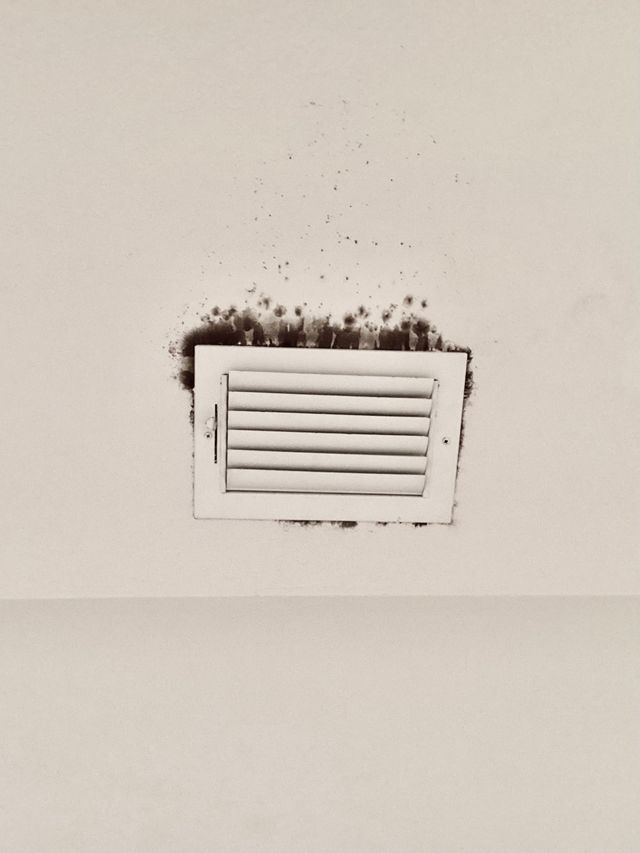
Mold in HVAC Systems in Palm Bay: What Homeowners in Brevard County Should Know
In Palm Bay, HVAC systems work hard almost year-round. Air conditioners run long hours to keep homes comfortable through heat, humidity, and stormy weather. Because these systems constantly deal with moisture, they are one of the most common places mold develops—often without homeowners realizing it at first.
Mold in HVAC systems isn’t usually caused by neglect or poor housekeeping. In Brevard County, it’s more often the result of how moisture behaves inside cooling equipment. Understanding why mold develops in HVAC systems, where it hides, how it affects the home, and what actually solves the problem helps Palm Bay homeowners avoid recurring issues and protect indoor comfort.
Why HVAC Mold Is Common in Palm Bay Homes
Palm Bay experiences high humidity, frequent rain, and long cooling seasons. HVAC systems don’t just cool air—they also remove moisture. When that moisture isn’t handled correctly, it creates ideal conditions for mold.
Local factors that increase HVAC mold risk include:
- High year-round humidity
- Long AC run times
- Warm temperatures that slow drying
- Homes kept closed and air-conditioned most of the year
- Slab foundations contributing to indoor moisture
- Storms and power outages disrupting normal operation
Because HVAC systems are constantly exposed to moisture, even small issues can lead to mold growth.
How Mold Develops Inside HVAC Systems
Mold spores are naturally present in Florida air. Inside an HVAC system, spores can settle on damp surfaces and begin growing when moisture lingers.
Common moisture sources inside HVAC systems include:
- Condensation on evaporator coils
- Standing water in drain pans
- Clogged or slow condensate drain lines
- Damp insulation inside air handlers
- Condensation on ductwork
When these areas stay wet for extended periods, mold growth becomes likely.
Where Mold Is Commonly Found in HVAC Systems
HVAC mold isn’t always visible from outside the unit. It often grows inside components homeowners rarely see.
Common HVAC mold locations include:
- Evaporator coils
- Condensate drain pans
- Inside air handlers
- Duct insulation
- Supply vents with frequent condensation
- Plenum boxes connected to ductwork
Visible mold at vents is often a sign that more growth exists deeper in the system.
Why HVAC Mold Often Goes Undetected
One reason HVAC mold is so frustrating is that it can exist for a long time before obvious signs appear.
HVAC mold often goes unnoticed because:
- Growth is hidden inside equipment
- Odors start subtly and worsen gradually
- Systems still cool effectively
- Mold spreads internally before becoming visible
By the time homeowners notice a problem, mold may already be well established.
Warning Signs of Mold in HVAC Systems
Even when mold isn’t visible, HVAC-related mold issues often create consistent clues.
Common warning signs include:
- Musty or earthy odors when the AC runs
- Odors strongest near vents
- Mold repeatedly appearing around supply vents
- Increased indoor humidity
- Dusty or damp vent surfaces
- Odors that worsen after storms or power outages
These signs often point directly to moisture inside the HVAC system.
How HVAC Mold Affects the Home
Mold inside HVAC systems doesn’t stay contained. Because air circulates throughout the home, mold-related odors and moisture can spread easily.
Potential impacts include:
- Persistent musty smells throughout the house
- Difficulty controlling indoor humidity
- Mold appearing in multiple rooms
- Repeated cleaning without lasting results
Addressing only surface mold without fixing HVAC conditions usually leads to repeat issues.
HVAC Mold After Storms and Power Outages
Storms are a major trigger for HVAC mold problems in Palm Bay.
After storms:
- Power outages shut down AC systems
- Humidity rises rapidly indoors
- Moisture sits in drain pans and coils
- Systems restart with damp internal components
Mold often develops weeks after storms, not immediately.
Why DIY Cleaning Doesn’t Fix HVAC Mold
Homeowners sometimes try cleaning vents or spraying disinfectants, but HVAC mold problems almost always return.
DIY efforts fail because:
- Mold inside the system isn’t reached
- Bleach and sprays don’t penetrate insulation
- Moisture sources remain unchanged
- Cleaning adds additional moisture
- Internal components aren’t properly dried
Without addressing moisture and internal growth, HVAC mold continues to spread.
The Role of Professional Mold Inspections
A professional mold inspection focuses on how moisture behaves inside the HVAC system, not just visible mold.
An HVAC-focused inspection may include:
- Checking drain pans and drain lines
- Evaluating evaporator coils
- Inspecting air handlers and insulation
- Measuring moisture levels around vents
- Identifying condensation patterns
This approach determines whether HVAC components are contributing to mold growth elsewhere in the home.
Brevard Mold Inspections & Removal works with Palm Bay homeowners to identify HVAC-related mold conditions clearly and calmly, focusing on causes rather than assumptions.
When Mold Testing Is Helpful for HVAC Issues
Mold testing isn’t always necessary, but it can help in certain HVAC-related situations.
Testing may be useful when:
- Odors persist without visible mold
- Mold appears in multiple rooms
- HVAC involvement is suspected but not confirmed
- Verification is needed after remediation
Testing works best when paired with inspection findings that explain moisture sources.
Proper Remediation for HVAC Mold
Effective HVAC mold remediation focuses on removal, correction, and prevention.
A proper approach may include:
- Cleaning or removing contaminated components
- Addressing clogged or damaged drain lines
- Correcting airflow or insulation issues
- Ensuring proper drainage and drying
- Managing indoor humidity consistently
Simply cleaning vents does not resolve HVAC mold.
Preventing Mold in HVAC Systems
Preventing HVAC mold in Palm Bay homes is about consistent maintenance and moisture control.
Helpful prevention steps include:
- Regular HVAC servicing
- Keeping condensate drain lines clear
- Replacing filters consistently
- Monitoring indoor humidity levels
- Addressing condensation promptly
- Inspecting systems after storms or outages
Small maintenance steps make a big difference over time.
The Importance of Drainage and Airflow
Two of the biggest contributors to HVAC mold are poor drainage and restricted airflow.
Key prevention tips:
- Ensure drain pans fully empty
- Keep drain lines unclogged
- Avoid blocking return vents
- Make sure insulation around ducts stays dry
Proper airflow helps moisture evaporate instead of lingering.
Why Local Palm Bay Experience Matters
HVAC mold behaves differently in Florida than in dry climates. Palm Bay homes face challenges tied to humidity, storms, slab foundations, and long cooling seasons.
Local professionals understand:
- How Palm Bay humidity affects HVAC systems
- Where moisture commonly accumulates locally
- How storms influence HVAC mold risk
- How quickly mold can spread in cooling systems
Local experience leads to more accurate evaluations and longer-lasting solutions.
A Calm, Practical Takeaway for Homeowners
Mold in HVAC systems is common in Palm Bay—but it’s manageable when addressed correctly. In most cases, it’s the result of moisture that stayed too long inside cooling components, not a failure of the system itself.
If your home has persistent musty odors, recurring vent mold, or humidity issues that don’t resolve, a professional inspection can provide clarity. Understanding how your HVAC system is handling moisture is the most effective way to stop mold, protect indoor comfort, and prevent repeat problems in Brevard County’s humid climate.