
Mold in HVAC Systems in Palm Bay: What Homeowners in Brevard County Should Know
Air conditioning systems are essential in Palm Bay and throughout Brevard County. With heat and humidity lasting most of the year, homeowners rely on their HVAC systems not only for comfort but also for moisture control. But when moisture builds up inside these systems, mold can begin growing where homeowners rarely look.
Many families first suspect HVAC mold when they notice musty odors each time the air conditioning runs. Others experience recurring humidity issues or discover mold during a home inspection. Because HVAC systems move air throughout the entire home, mold inside the system can affect multiple rooms at once.
Understanding how mold develops in HVAC systems — and how to prevent and address it — helps Palm Bay homeowners protect both their homes and indoor comfort.
Why HVAC Systems Are Vulnerable to Mold
Air conditioning systems naturally produce moisture as they cool indoor air. Warm air passes over cold coils, creating condensation that drains away through a condensate line. When this process works correctly, moisture leaves the home safely.
Problems occur when moisture remains inside the system.
Common HVAC mold causes include:
• Clogged condensate drain lines
• Dirty or blocked drain pans
• Poor airflow from dirty filters
• Oversized AC systems that cycle too quickly
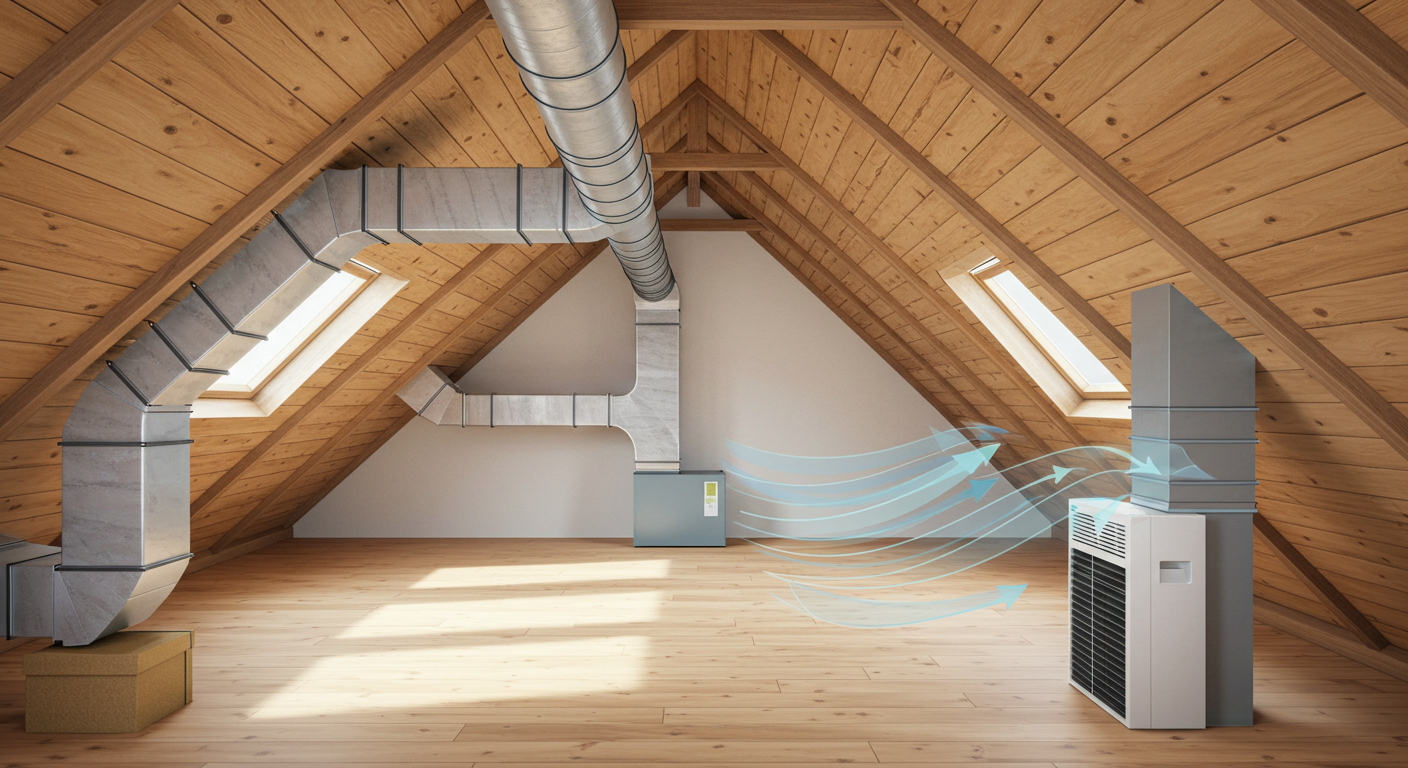
• Duct condensation in humid attics
• High indoor humidity levels
• Improper insulation around ductwork
In Palm Bay homes, air handlers are often located in garages, closets, or attics where humidity levels can be high. When moisture collects in these areas, mold has ideal conditions to grow.
Why Mold in HVAC Systems Is Common in Brevard County
Homes throughout Brevard County — including Palm Bay, Melbourne, Rockledge, Cocoa, Merritt Island, Titusville, Viera, Satellite Beach, and Cape Canaveral — face climate conditions that increase HVAC moisture risks.
Year-Round Humidity
Florida’s humidity remains high most of the year. HVAC systems constantly work to remove moisture, which increases condensation production.
Attic Heat and Moisture
Ductwork located in hot attics often sweats as cold air moves through warm spaces, creating moisture buildup.
Hurricane and Storm Impacts
Storms can damage roofs or allow moisture intrusion, affecting HVAC equipment located in attics or garages.
AC System Overuse
Because systems run frequently, maintenance issues like clogged drains or dirty coils quickly lead to moisture problems.
Slab Foundation Construction
Moisture trapped in homes built on slabs increases indoor humidity, forcing HVAC systems to work harder.
Even newer homes in Palm Bay can experience HVAC mold if maintenance is neglected.
Signs Mold May Be Present in Your HVAC System
Because HVAC systems circulate air throughout the home, mold growth can affect multiple areas.
Homeowners often notice:
• Musty smell when AC turns on
• Odors strongest near vents
• Increased indoor humidity
• Allergy-like irritation indoors
• Dust buildup around vents
• Visible mold around vents or air handlers
• Rooms feeling damp or stale
In some cases, mold becomes visible near supply vents where condensation occurs.
If odors or humidity persist despite cleaning and filter changes, the problem may be deeper within the system.
Where Mold Commonly Develops Inside HVAC Systems
Mold can grow in several areas of an HVAC system.
Air Handler Unit
The evaporator coil and drain pan collect moisture. If not cleaned regularly, mold can grow inside the unit.
Condensate Drain Line
Clogged lines cause water to back up, creating standing water conditions.
Ductwork
Poorly insulated ducts in hot attics often develop condensation, allowing mold growth inside duct surfaces.
Return Air Areas
Return vents pull air into the system. Dust and moisture buildup can support mold growth.
Filter Areas
Dirty or improperly installed filters allow dust accumulation, feeding mold growth.
Professional inspections often reveal contamination homeowners never suspected.
Why DIY Cleaning Often Doesn’t Solve HVAC Mold Problems
Homeowners sometimes try to clean vents or spray disinfectants into ducts, hoping to eliminate mold odors. Unfortunately, this usually addresses only surface issues.
Common DIY mistakes include:
• Cleaning vents but not the air handler
• Ignoring clogged condensate lines
• Spraying cleaners into ducts
• Using household chemicals not designed for HVAC systems
• Failing to address humidity problems
Without correcting moisture sources, mold often returns quickly.
Improper cleaning methods can also damage HVAC equipment.
How Professional HVAC Mold Inspection Works
A professional mold inspection evaluates both visible contamination and hidden moisture issues within the system.
Inspections typically include:
Visual System Inspection
Inspectors examine air handlers, drain pans, coils, and accessible ductwork.
Moisture Detection
Tools identify moisture buildup around HVAC components and surrounding areas.
Air or Surface Sampling (If Needed)
Testing may help determine whether mold levels are elevated indoors.
Condensate System Evaluation
Inspectors check whether drain lines are functioning properly.
Companies such as Brevard Mold Inspections & Removal often inspect HVAC systems after homeowners report persistent odors or humidity problems.
How Mold Remediation Works in HVAC Systems
If mold contamination is found, remediation focuses on cleaning and correcting moisture problems.
Remediation steps often include:
System Cleaning
Professionals clean coils, drain pans, and internal components.
Duct Cleaning or Replacement
Contaminated ducts may be cleaned or replaced depending on conditions.
Drain Line Repair
Blocked or damaged condensate lines are cleared or replaced.
Moisture Correction
Humidity or condensation issues are addressed.
Air Filtration Improvement
High-quality filtration helps reduce dust accumulation.
Final Cleaning
Remaining debris and contamination are removed from surrounding areas.
Proper remediation restores clean airflow and prevents future growth.
Preventing Mold in HVAC Systems Going Forward
Preventative maintenance is the best way to avoid HVAC mold problems.
Helpful steps include:
• Change air filters regularly
• Schedule annual AC maintenance
• Flush condensate drain lines periodically
• Install float switches to detect backups
• Use dehumidifiers when needed
• Ensure ducts are properly insulated
• Keep air handler areas clean and dry
• Monitor humidity levels indoors
Many Palm Bay homeowners schedule inspections before summer begins to ensure systems are functioning correctly.
Why Local Experience Matters for HVAC Mold Issues
HVAC mold problems in Florida differ from those in drier climates. Professionals familiar with Brevard County understand how moisture affects local homes.
Homes across Palm Bay, Melbourne, Cocoa Beach, Merritt Island, and surrounding communities face:
• Coastal humidity exposure
• Hurricane-related moisture intrusion
• Attic heat and duct condensation
• Slab foundation humidity challenges
• Heavy AC usage
Local professionals know where problems typically develop and how to correct them effectively.
Brevard Mold Inspections & Removal helps homeowners across Brevard County identify HVAC moisture problems and prevent mold from spreading through homes.
A Calm Next Step for Palm Bay Homeowners
If your home smells musty when the AC runs, feels overly humid, or shows signs of moisture near vents, a professional inspection can help determine whether mold is present.
Many HVAC mold problems remain manageable when discovered early. Proper cleaning and moisture correction restore comfort and help prevent recurrence.
If concerns arise, professional guidance can help clarify what’s happening inside your HVAC system and what steps may be needed next.
Addressing moisture issues early helps protect both your home and indoor comfort.