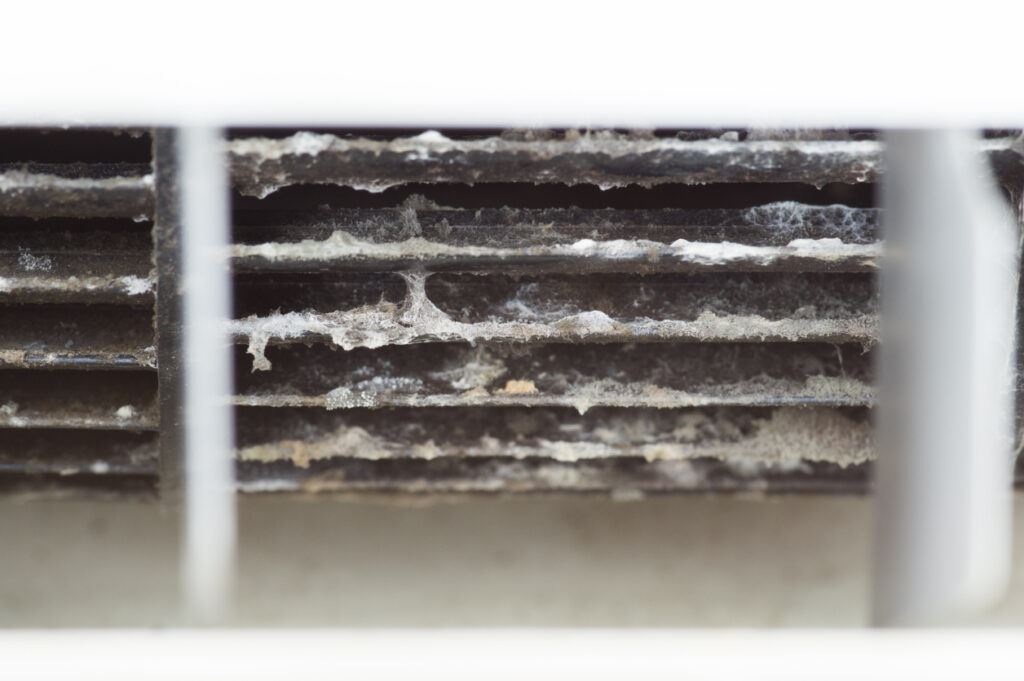
Mold in HVAC Systems in Titusville: What Homeowners in Brevard County Should Know
HVAC-related mold is a common concern for homeowners in Titusville and across Brevard County. With Florida’s heat, humidity, and near-constant air-conditioning use, HVAC systems naturally collect moisture. When that moisture isn’t properly drained or airflow is restricted, mold can begin growing inside components most homeowners never see.
Because HVAC systems circulate air throughout the home, mold inside them doesn’t stay contained. Understanding why HVAC mold develops, where it hides, and how to address it correctly can help Titusville homeowners protect indoor comfort and avoid repeat problems.
What Mold in HVAC Systems Really Is
Mold in HVAC systems refers to mold growth inside air handlers, evaporator coils, drain pans, ductwork, or nearby insulation. These areas are dark, damp, and often warm — ideal conditions for mold when moisture is present.
Unlike surface mold on walls or ceilings, HVAC mold often goes unnoticed at first. Growth may begin quietly inside the system and spread gradually as air moves through the ducts.
Why HVAC Mold Is Common in Titusville Homes
Titusville’s climate creates constant moisture challenges. Air-conditioning systems run most of the year, pulling humidity from the air. That moisture must drain properly — and when it doesn’t, problems begin.
Local factors that increase HVAC mold risk include:
- High outdoor humidity year-round
- Long AC run times
- Clogged or improperly sloped condensate drain lines
- Dirty coils and filters restricting airflow
- Power outages after storms that interrupt drying
- Older HVAC systems with worn components
Homes near the Indian River Lagoon often experience higher baseline humidity, making moisture control even more critical.
Common Signs of Mold in HVAC Systems
HVAC mold rarely announces itself clearly at first. Many homeowners notice subtle changes before discovering the source.
Common warning signs include:
- Musty or mildew-like odors when the AC runs
- Odors strongest near vents
- Increased indoor humidity
- Dusty or stale air despite clean filters
- Visible discoloration inside vents or air handlers
Some residents notice irritation or allergy-like symptoms, but symptoms alone don’t confirm mold. They do suggest moisture or air quality issues worth evaluating.
Where Mold Hides Inside HVAC Systems
HVAC systems have several areas where moisture can collect and mold can grow.
Common problem locations include:
- Evaporator coils with condensation buildup
- Condensate drain pans that don’t drain fully
- Drain lines with algae or debris buildup
- Insulation inside air handlers
- Ductwork in attics or crawl spaces
- Supply vents exposed to humid air
In Titusville homes, attic ductwork is a frequent issue due to heat and condensation.
Hidden Causes Homeowners Often Miss
Many HVAC mold problems aren’t caused by a single failure but by small issues over time.
Often-overlooked contributors include:
- Oversized AC units that short-cycle and don’t dehumidify well
- Poorly sealed duct connections pulling humid attic air
- Filters changed infrequently
- Bathroom exhaust fans venting into attics near ductwork
- Minor roof leaks dripping near HVAC components
Because these problems develop gradually, mold can establish itself long before visible signs appear.
Why DIY HVAC Mold Cleaning Can Backfire
Some homeowners attempt to clean vents or spray disinfectants into duct openings. While this may reduce odors temporarily, it rarely solves the underlying problem.
DIY approaches can:
- Miss mold deeper in the system
- Spread mold particles through the ductwork
- Leave moisture behind on coils or insulation
- Delay proper inspection and repair
Without addressing drainage, airflow, and humidity, HVAC mold is likely to return.
How Professional Mold Inspection Helps
A professional mold inspection looks beyond visible areas to understand conditions inside the HVAC system and surrounding spaces.
A proper inspection may include:
- Visual assessment of air handlers and vents
- Moisture readings near HVAC components
- Inspection of attic ductwork and insulation
- Thermal imaging to locate condensation patterns
- Air or surface sampling when appropriate
The goal is clarity — not alarm. Many Titusville homeowners work with Brevard Mold Inspections & Removal for calm, thorough evaluations grounded in local climate conditions.
Proper Mold Removal and Remediation for HVAC Systems
Effective HVAC mold remediation focuses on moisture control first. Cleaning without correcting the cause leads to repeat problems.
A proper approach may include:
- Containing affected areas during work
- Cleaning or replacing mold-affected components
- Clearing and correcting condensate drain systems
- Improving airflow and filtration
- Addressing duct sealing and insulation issues
- Thorough drying before restarting the system
Florida HVAC systems require remediation strategies designed for long cooling seasons and high humidity.
Preventing HVAC Mold in Titusville Homes
Prevention is often simpler and less disruptive than remediation.
Helpful prevention steps include:
- Regular HVAC maintenance and inspections
- Keeping drain lines clear
- Changing filters consistently
- Ensuring ductwork is properly sealed
- Monitoring indoor humidity levels
- Inspecting attic ductwork periodically
- Scheduling inspections after storms or power outages
Consistency matters in Florida’s climate.
Why Local Brevard County Experience Matters
HVAC mold behaves differently in Florida than in other regions. Titusville homes face humidity, storms, attic heat, and coastal moisture patterns that require local understanding.
Systems in older homes differ from newer construction. Homes near waterways differ from inland properties. Local experience helps ensure inspections and remediation plans are realistic and effective for Brevard County conditions.
A Calm, Practical Next Step
If you’re noticing musty odors, humidity issues, or concerns about your HVAC system in your Titusville home, a professional inspection can provide clear answers. Early evaluation helps prevent small moisture problems from becoming larger, more expensive issues.
Brevard Mold Inspections & Removal works with homeowners throughout Titusville and Brevard County to provide inspections, testing, and guidance focused on long-term comfort and home protection.