
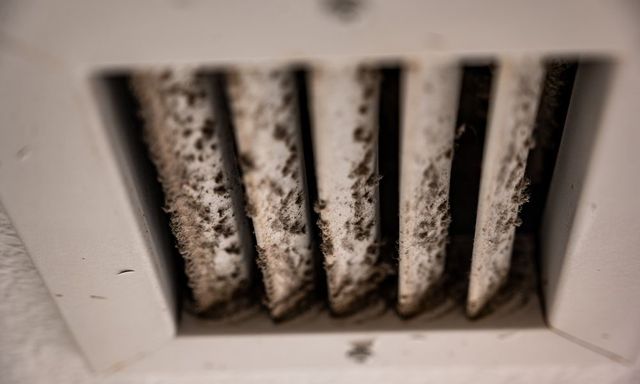
Mold in HVAC Systems in Titusville: What Homeowners in Brevard County Should Know
For homeowners in Titusville, mold in HVAC systems is one of the most common—and most misunderstood—mold problems. Because the air conditioning system runs most of the year in Brevard County, any moisture issue inside the system can quietly spread mold-related problems throughout the entire home.
Unlike mold on a wall or ceiling, HVAC mold isn’t always visible. Many homeowners first notice musty odors, stale air, or recurring humidity issues without realizing the source is hidden inside the AC system. Understanding how mold develops in HVAC systems and why it’s so common in Titusville helps homeowners address the real problem instead of chasing symptoms.
Why HVAC Systems Are Prone to Mold in Titusville
Air conditioning systems naturally create moisture. That alone isn’t a defect—it’s how cooling works.
Warm, humid air passes over cold evaporator coils, and moisture condenses out of the air. That water is supposed to drain away safely through a condensate line. When anything interrupts that process, moisture can build up inside the system.
Brevard County has high humidity for much of the year, and Titusville homes rely heavily on AC to stay comfortable. Long run times, combined with Florida humidity, mean HVAC systems are constantly managing moisture. Even small issues can create the conditions mold needs to grow.
Common Causes of Mold in HVAC Systems
Most HVAC mold problems trace back to moisture that doesn’t drain or dry properly.
Clogged condensate drain lines are one of the most frequent causes. Algae, debris, or buildup can block the line, causing water to back up into the air handler or overflow into surrounding materials.
Damaged or rusted drain pans can allow water to collect where it shouldn’t. Even a small crack can keep parts of the system damp.
Dirty evaporator coils can trap moisture. When coils are coated with dust and debris, water doesn’t drain efficiently and stays on the surface longer.
Poor airflow is another contributor. Restricted airflow from dirty filters or duct issues can cause coils to stay colder, increasing condensation.
High indoor humidity can overwhelm even a properly functioning system, especially in coastal-adjacent areas like Titusville.
Where Mold Typically Grows in HVAC Systems
Mold inside HVAC systems isn’t limited to one spot.
Common locations include:
- Inside the air handler cabinet
- On or near the evaporator coil
- In the condensate drain pan
- On duct insulation near the air handler
- Inside supply or return ducts if moisture is present
Because air flows through these components, mold-related odors and moisture can affect multiple rooms at once.
Signs Mold May Be in Your HVAC System
HVAC mold often announces itself indirectly.
Homeowners in Titusville frequently notice:
- A musty or earthy odor when the AC runs
- Odors that seem to come from vents
- Mold appearing repeatedly near vents or ceilings
- Excess indoor humidity despite constant AC use
- Condensation around vents or air handlers
If these signs worsen when the system cycles on, the HVAC system is often involved.
Why HVAC Mold Affects the Whole House
HVAC systems move air throughout the home.
When mold or moisture is present inside the system, odors and airborne particles don’t stay contained. They circulate through ductwork and into living spaces.
This is why homeowners sometimes see mold appearing in multiple rooms at the same time or notice that the entire house smells musty rather than just one area.
Addressing surface mold in individual rooms won’t resolve the issue if the HVAC system remains the source.
Why Cleaning Vents Alone Doesn’t Fix the Problem
Many homeowners start by wiping down vents or using spray cleaners.
While this may remove visible dust or surface staining, it does nothing to address moisture inside the system. If mold is growing on coils, inside the air handler, or in wet duct insulation, cleaning vents is purely cosmetic.
In some cases, spraying cleaners into vents can actually introduce more moisture, making conditions worse.
True resolution requires identifying where moisture is accumulating inside the HVAC system.
HVAC Mold vs. Normal Dust and Debris
Not every dark spot near vents is mold.
Dust buildup can appear dark, especially around supply vents where air movement deposits particles on ceilings or walls. However, recurring staining combined with musty odors or moisture issues often points to a deeper problem.
Distinguishing between dust and mold usually requires inspection of the system itself, not just the vent covers.
The Role of Humidity in HVAC Mold Problems
Humidity is a major factor in Titusville homes.
If indoor humidity remains high, even a well-maintained HVAC system may struggle to keep components dry. Oversized AC systems are a common issue—they cool the air quickly but shut off before removing enough moisture.
When humidity stays elevated:
- Condensation increases
- Drying time slows
- Mold risk rises
Managing humidity is just as important as fixing mechanical issues.
Why DIY HVAC Mold Cleanup Is Risky
HVAC systems are not designed for DIY mold removal.
Opening an air handler or disturbing components without containment can release mold particles into the air. In homes with central air, those particles can spread quickly.
Household cleaners are not appropriate for HVAC components and may damage coils or insulation. Spraying liquids into the system can also introduce additional moisture.
DIY efforts often miss hidden areas and underlying moisture problems, leading to recurring issues.
How Professional Inspections Identify HVAC Mold
A professional mold inspection evaluates the HVAC system as part of the whole home.
Inspections typically include:
- Visual assessment of air handlers and drain pans
- Moisture readings around HVAC components
- Evaluation of condensate drain lines
- Inspection of nearby duct insulation
- Assessment of indoor humidity and airflow
When appropriate, air or surface samples may be collected for documentation, but moisture findings guide decisions.
Local professionals such as Brevard Mold Inspections & Removal focus on identifying why moisture is present inside HVAC systems rather than just confirming mold exists.
When Mold Remediation Is Needed for HVAC Systems
Not all HVAC moisture issues require full remediation, but remediation is often needed when:
- Mold growth is visible inside the air handler
- Duct insulation is wet or moldy
- Odors persist despite maintenance
- Mold appears repeatedly throughout the home
Proper remediation may involve cleaning or replacing affected components, correcting drainage issues, and ensuring the system dries properly during operation.
Simply cleaning surfaces without fixing moisture will not last.
Preventing Mold in HVAC Systems
Prevention focuses on moisture management and maintenance.
Helpful steps for Titusville homeowners include:
- Changing filters regularly
- Keeping condensate drain lines clear
- Scheduling routine HVAC maintenance
- Monitoring indoor humidity
- Addressing unusual odors promptly
- Ensuring proper system sizing and airflow
After storms or power outages, HVAC systems should be checked for drainage issues or overflow.
Attics, HVAC, and Mold Connections
Many HVAC systems run through attics.
If attic humidity is high or insulation is damp, HVAC components can be affected. Condensation on ducts or air handlers in hot attics is a common mold trigger in Titusville homes.
Proper attic ventilation and insulation play a role in preventing HVAC-related mold.
Why Local Experience Matters in Titusville
HVAC mold behaves differently depending on climate.
Titusville homes face Florida humidity, long cooling seasons, slab foundations, and frequent storms. Local experience helps professionals understand how these factors interact inside HVAC systems and where problems typically start.
Generic HVAC advice often doesn’t account for these conditions.
A Practical Takeaway for Titusville Homeowners
Mold in HVAC systems is common in Titusville—but it’s manageable.
Musty odors, recurring mold near vents, or humidity that won’t come down are often signs of moisture inside the AC system. Addressing the source early prevents mold from spreading throughout the home.
If you suspect your HVAC system may be contributing to mold or air quality issues, a professional inspection can provide clear answers. With proper evaluation, moisture control, and local expertise, HVAC-related mold can be resolved effectively and kept from returning.