
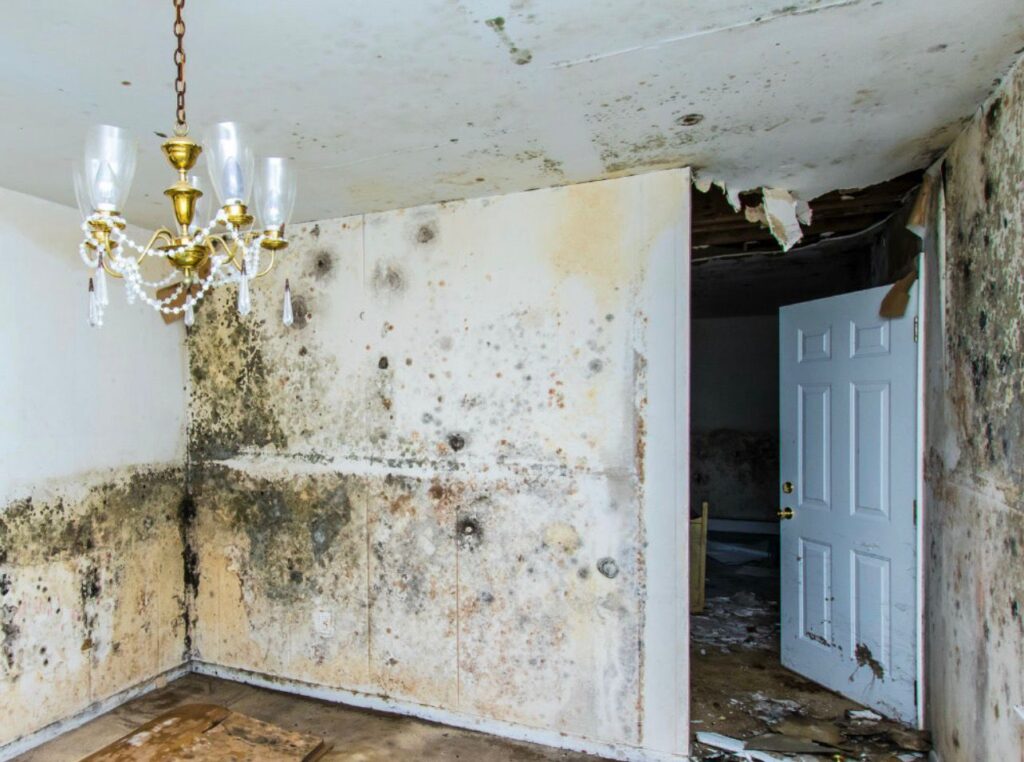
Mold in Rental Properties in Indian Harbour Beach: What Homeowners in Brevard County Should Know
Owning a rental property in Indian Harbour Beach can be a smart investment. The coastal location, proximity to Melbourne and Satellite Beach, and steady demand for housing make it attractive for both long-term tenants and seasonal renters.
But in Brevard County, rental properties face a consistent challenge: mold.
Humidity, coastal moisture, storms, and heavy AC usage create the ideal conditions for mold growth. When tenants are involved, the situation becomes more complex. Communication, responsibility, maintenance, and timing all matter.
If you own a rental property in Indian Harbour Beach — or anywhere in Brevard County — understanding how mold develops, how it’s identified, and how it should be handled protects both your property and your investment.
Why Rental Properties Are More Vulnerable to Mold
Rental homes and condos often experience different usage patterns than owner-occupied properties.
In Indian Harbour Beach and nearby Cocoa Beach, common contributing factors include:
- Tenants keeping windows open during humid weather
- AC systems set too high to save energy
- Bathroom exhaust fans not being used
- Furniture placed tightly against exterior walls
- Delayed reporting of small leaks
Even well-maintained properties can develop mold if indoor humidity stays elevated.
Unlike sudden water damage, humidity-related mold builds slowly. It may go unnoticed until a musty odor develops or visible staining appears.
Coastal Conditions in Indian Harbour Beach
Indian Harbour Beach sits directly along the Atlantic coast. That coastal environment creates ongoing exposure to moisture.
Local factors include:
Ocean humidity
Sea air carries moisture inland daily. Indoor humidity can rise quickly if AC systems are not properly balancing moisture removal.
Wind-driven rain
Storms push rain horizontally. Window seals and sliding glass doors can allow small amounts of water intrusion.
Salt exposure
Salt air accelerates wear on metal components, flashing, and seals.
Hurricane season
Homes in Brevard County endure heavy rain and high winds annually.
These conditions don’t mean mold is inevitable. But they do mean moisture management must be consistent.
Common Mold Locations in Rental Homes
In Indian Harbour Beach rentals, mold is often found in:
- Closets along exterior walls
- Behind bathroom tile
- Under vinyl plank or laminate flooring
- Inside HVAC closets
- Attic roof sheathing
- Around window frames
In slab foundation homes in Palm Bay or Rockledge, moisture may migrate upward after extended rainfall.
In older properties in Cocoa or Titusville, aging plumbing can contribute to hidden leaks.
Each property has its own moisture pattern.
Signs Tenants or Owners Might Notice
Mold in rental properties often begins with subtle warning signs.
These may include:
- Musty or damp smells
- Discoloration on walls or ceilings
- Peeling paint
- Warped baseboards
- Increased indoor humidity
- Recurring mildew in bathrooms
Sometimes tenants report “allergy-like” irritation indoors, though it’s important not to make medical conclusions without proper evaluation.
In many cases, the issue begins with a minor moisture imbalance.
Landlord and Tenant Considerations
In Florida, mold situations in rental properties can raise questions about responsibility.
Typically, responsibility depends on:
- The source of moisture
- Maintenance history
- Tenant behavior
- Lease agreements
For example:
- A roof leak during a storm in Satellite Beach may fall under structural responsibility.
- Running the AC minimally during humid months in Viera may contribute to condensation issues.
Clear communication is essential.
The focus should remain on identifying and correcting the moisture source rather than assigning blame.
Why Ignoring Mold in Rentals Is Risky
Mold rarely resolves on its own in Florida’s climate.
Ignoring the issue can lead to:
- Structural damage
- Flooring deterioration
- Tenant dissatisfaction
- Complicated real estate disclosures
- Increased remediation costs
Small humidity-driven mold problems are far easier to address than widespread contamination caused by delayed action.
Proactive inspections protect long-term property value.
What a Professional Mold Inspection Involves
When mold is suspected in an Indian Harbour Beach rental, a structured inspection provides clarity.
At Brevard Mold Inspections & Removal, the inspection process typically includes:
Visual Assessment
Examining interior and exterior moisture-prone areas.
Moisture Detection
Using professional meters to measure moisture inside walls, ceilings, and flooring.
Thermal Imaging
Identifying cooler zones that may indicate hidden moisture.
Humidity Measurements
Evaluating indoor humidity levels throughout the property.
Mold Testing (When Appropriate)
Air or surface samples may be collected and analyzed by a certified lab if confirmation is needed.
Testing is especially useful during disputes, real estate transactions, or when determining scope.
The goal is to provide objective information — not alarm.
Proper Mold Remediation in Rental Properties
If mold is confirmed, remediation focuses on correcting moisture first.
The process typically includes:
- Identifying and repairing the source
- Containing affected areas
- Removing damaged materials
- Cleaning structural surfaces
- Drying thoroughly
- Verifying moisture levels
Containment is especially important in occupied rentals in Melbourne or Merritt Island to prevent cross-contamination.
Effective remediation is practical and methodical — not dramatic.
Preventing Mold in Indian Harbour Beach Rentals
Prevention is possible, even in Florida’s climate.
Landlords can:
- Schedule annual roof and exterior inspections
- Service HVAC systems regularly
- Clean condensate drain lines
- Improve attic ventilation
- Provide tenants with humidity guidance
- Install whole-home dehumidifiers when necessary
Tenants should be encouraged to:
- Run bathroom exhaust fans
- Avoid blocking air vents
- Report leaks immediately
- Maintain reasonable thermostat settings
Clear expectations and routine maintenance reduce long-term issues.
Older vs. Newer Rental Properties
Older rentals in Cocoa or Titusville may have aging plumbing or insulation.
Newer properties in Viera or Palm Bay may be tightly sealed for efficiency but lack proper airflow.
Both styles can develop mold if humidity is unmanaged.
Understanding the construction type helps identify risk areas.
Why Local Experience Matters
Mold behavior in Brevard County is different from other parts of the country.
Indian Harbour Beach properties deal with:
- Constant ocean humidity
- Storm-driven rain
- Slab foundations
- High attic heat
- Year-round AC usage
A local inspection company understands how moisture travels in Florida homes.
Brevard Mold Inspections & Removal evaluates rental properties with those local patterns in mind, helping landlords make informed, calm decisions.
A Practical, Steady Approach
Mold in rental properties doesn’t need to become a crisis.
It requires:
- Clear inspection
- Moisture correction
- Proper documentation
- Prevention planning
If you own rental property in Indian Harbour Beach or anywhere in Brevard County, a professional mold inspection provides clarity and protects your investment.
Sometimes the issue is small and easily resolved. Other times, early intervention prevents larger structural damage and tenant complications.
In Florida’s climate, moisture management is part of responsible property ownership. With the right local expertise and a steady approach, mold in rental properties can be handled effectively and professionally.