
Mold in Rental Properties in Indian Harbour Beach: What Homeowners in Brevard County Should Know
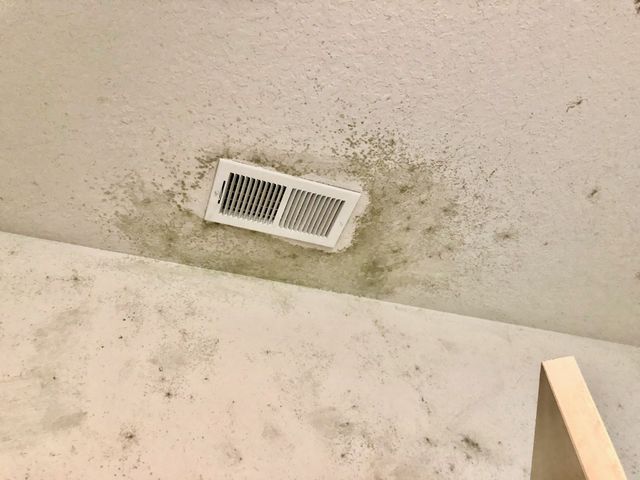
Rental properties in Indian Harbour Beach face many of the same mold risks as owner-occupied homes, but there’s one big difference: multiple occupants, varying habits, and delayed reporting sometimes allow moisture problems to continue longer than they should.
I’ve inspected rental homes where a slow leak or ventilation issue went unnoticed for months simply because tenants assumed it wasn’t urgent. Ever notice how small maintenance issues sometimes get postponed in rental properties? Moisture problems rarely stay small for long.
Let’s look at why mold develops in rental properties and what homeowners and landlords in Brevard County should know.
Why Rental Properties Are More Vulnerable to Mold
Rental homes often experience conditions that increase mold risk.
Common factors include:
- Delayed reporting of leaks
- High occupancy and daily moisture
- Limited ventilation habits
- Seasonal or short-term tenants
Rhetorical question time: if a small leak continues for weeks before anyone investigates it, what happens inside the walls? Moisture spreads, and mold becomes more likely.
Time often makes the difference between a minor repair and remediation.
Common Areas Where Mold Appears in Rentals
During inspections, mold in rental homes usually appears in predictable locations.
Frequent areas include:
- Bathrooms and ceilings
- Under sinks and near plumbing
- Around windows
- Behind furniture placed against exterior walls
These areas trap moisture and receive limited airflow.
IMO, bathrooms and kitchens account for most mold issues in rental properties.
The Role of Humidity and Coastal Air
Indian Harbour Beach’s coastal climate keeps humidity levels high for much of the year. Even without leaks, humid air can support mold growth in poorly ventilated spaces.
Humidity contributes to:
- Condensation on walls and windows
- Damp fabrics and carpets
- Slow drying after cleaning or showers
FYI, humidity alone can cause mold if ventilation is limited.
Ever notice how some rental units smell musty even when they look clean? Humidity often explains that.
Responsibilities of Tenants and Property Owners
Mold prevention works best when both tenants and property owners act quickly.
Tenants should:
- Report leaks promptly
- Use exhaust fans
- Avoid blocking vents
Property owners should:
- Respond quickly to maintenance issues
- Maintain HVAC systems
- Inspect properties periodically
Communication often prevents small issues from becoming larger problems.
Early Warning Signs of Mold in Rental Homes
Mold problems often begin with subtle clues.
Watch for:
- Musty odors
- Dark spots near vents or ceilings
- Peeling paint or bubbling drywall
- Persistent humidity
These signs often indicate moisture conditions that allow mold to grow.
Odors usually appear before mold becomes extensive.
How Mold Affects Indoor Air Quality in Rentals
Mold releases spores into the air as it grows. In rental properties, airflow from HVAC systems may distribute spores throughout the unit.
Possible signs include:
- Odors in multiple rooms
- Air feeling stale
- Symptoms improving outside the home
Ever wonder why musty odors sometimes seem strongest when the AC runs? Airflow often spreads spores.
Air circulation affects every room equally.
The Importance of Mold Inspection and Testing
Inspection helps identify:
- Moisture sources
- Visible and hidden mold
- Ventilation problems
Mold testing may help determine airborne mold levels when odors or air quality concerns persist.
Inspection identifies the cause. Testing measures the air.
Together, they provide a clearer understanding of conditions inside the property.
Mold Removal and Remediation in Rental Properties
If mold develops, remediation may include:
- Removing contaminated materials
- Cleaning structural surfaces
- Correcting moisture sources
- Drying affected areas
Containment and air filtration may also be used in larger projects to prevent spores from spreading.
Correcting moisture remains the most important step to prevent mold from returning.
Preventing Mold in Rental Properties
Homeowners and landlords in Indian Harbour Beach can reduce mold risk by:
- Performing routine inspections
- Maintaining HVAC systems
- Repairing leaks promptly
- Ensuring proper ventilation
Small maintenance steps often prevent larger remediation projects later.
Ever notice how properties that receive regular maintenance rarely develop persistent odors? Preventive care makes a big difference.
Why Acting Early Saves Time and Money
One consistent lesson from inspections is that early attention prevents larger repairs.
When moisture problems are addressed early:
- Mold remains localized
- Repairs stay smaller
- Tenant comfort improves
Waiting allows mold to spread into walls, flooring, and insulation, increasing both cost and repair time.
Maintenance almost always costs less than restoration.
Final Thoughts
Mold in rental properties in Indian Harbour Beach usually develops because moisture problems continue longer than they should. Delayed reporting, humidity, and ventilation issues often combine to create conditions where mold can grow unnoticed.
Clear communication, regular maintenance, and early inspections help property owners and tenants prevent small moisture problems from becoming major mold issu