
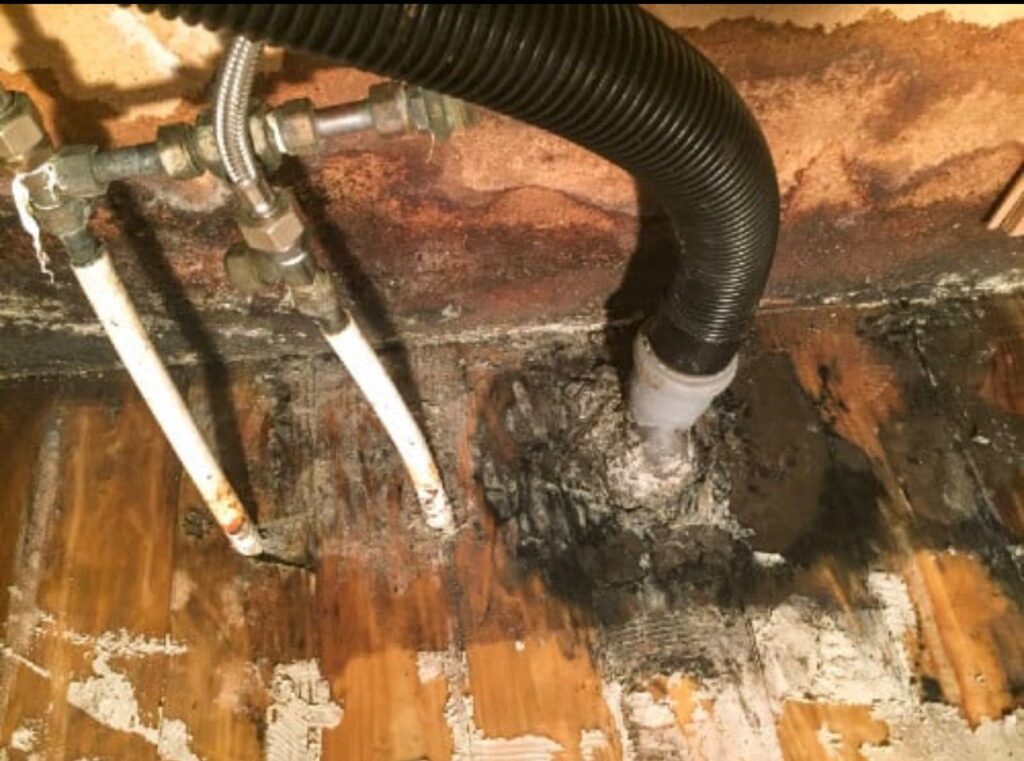
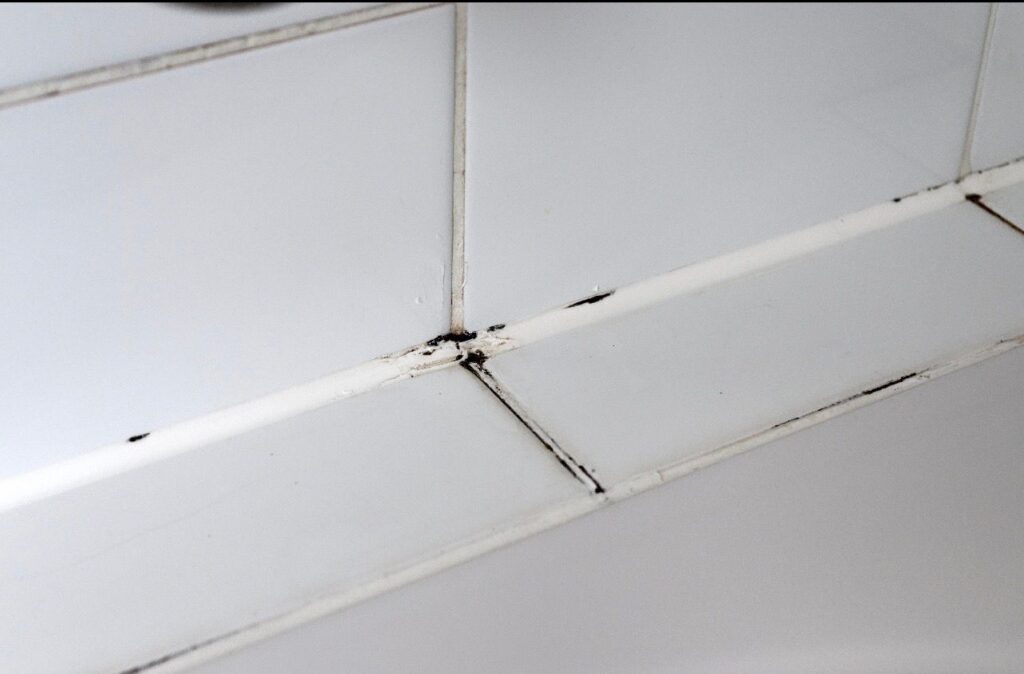
Mold in Rental Properties in Indian Harbour Beach: What Homeowners in Brevard County Should KnowMold in rental properties is a serious and common issue in Indian Harbour Beach. Coastal humidity, salt air, frequent rain, and older construction all contribute to moisture problems that can quickly turn into mold growth. For homeowners who rent out properties, mold is not just a maintenance concern. It can affect tenant health, lead to property damage, create legal disputes, and complicate insurance or lease agreements if not handled correctly.Rental properties face unique challenges because they are occupied by multiple tenants over time, each with different habits, maintenance awareness, and reporting timelines. Understanding how mold develops in rental homes, where it typically appears, and how responsibility is handled can help Brevard County property owners protect both their investment and their tenants.⸻Why mold is common in Indian Harbour Beach rental propertiesIndian Harbour Beach sits directly along the coast, where high humidity is present nearly year-round. Moisture from the ocean air easily enters buildings, especially older rental properties that may not have modern moisture barriers or ventilation systems.Common reasons mold develops in rental homes include: • Constant coastal humidity and salt air • Poor ventilation in bathrooms and kitchens • AC systems running continuously and producing condensation • Roof leaks after storms or heavy rain • Plumbing leaks under sinks, behind walls, or beneath slabs • Tenants not using exhaust fans or reporting leaks promptlyIn rental properties, small issues can go unnoticed longer than in owner-occupied homes. A slow leak or recurring condensation problem may persist across multiple tenants, allowing mold to spread gradually.⸻Common mold locations in rental propertiesMold in rental homes does not always appear in obvious places. While visible mold may show up on walls or ceilings, hidden mold is often a larger concern.Typical mold-prone areas in Indian Harbour Beach rentals include: • Bathrooms, especially ceilings and shower areas • Kitchens under sinks and behind appliances • Closets on exterior walls • HVAC systems and air ducts • Attics with poor ventilation • Crawl spaces or slab foundations • Behind drywall near plumbing linesIn coastal rentals, mold often forms in areas exposed to temperature differences, where warm, humid air meets cooler surfaces and creates condensation.⸻How tenant habits can affect mold growthTenant behavior plays a role in mold development, though it is rarely the sole cause. Everyday activities can introduce moisture into the home, especially if ventilation is limited.Contributing habits may include: • Not using bathroom exhaust fans • Leaving windows open during humid weather • Overcrowding the unit • Delaying reporting of leaks or water damage • Improper use of AC systemsWhile tenants can increase indoor humidity, mold growth usually indicates an underlying moisture or building issue. Relying solely on tenant behavior explanations often overlooks structural or mechanical problems that need correction.⸻Health concerns related to mold in rental propertiesMold in rental homes can impact tenant health, particularly when exposure is ongoing. Mold releases spores that circulate through indoor air and can spread throughout the unit.Common health symptoms include: • Sneezing and nasal congestion • Coughing or throat irritation • Eye irritation • Headaches or fatigue • Worsening asthma or allergy symptomsChildren, elderly tenants, and individuals with respiratory conditions may experience stronger reactions. Because rental properties house different occupants over time, unresolved mold issues can lead to repeated complaints from multiple tenants.⸻Landlord responsibilities in Brevard CountyIn Brevard County, property owners are generally responsible for maintaining a rental property in a habitable condition. This includes addressing moisture issues that can lead to mold growth.Landlord responsibilities typically include: • Maintaining plumbing, roofing, and structural components • Repairing leaks promptly • Ensuring proper ventilation systems are functional • Addressing water damage in a timely mannerIgnoring mold complaints or delaying repairs can escalate a minor issue into a larger problem involving tenant disputes or legal action. Proper documentation and prompt response are critical in rental situations.⸻Why mold disputes often arise in rental homesMold-related disputes are common in rental properties because responsibility is not always clearly understood. Tenants may believe any mold is the landlord’s fault, while property owners may assume tenant habits caused the issue.Disputes often arise due to: • Delayed maintenance or repairs • Lack of clear communication • Inadequate documentation of prior conditions • Disagreements over the source of moistureIn Indian Harbour Beach, where environmental humidity is already high, determining the true cause of mold requires careful evaluation of the property’s condition.⸻How fast mold can grow in Florida rentalsFlorida’s climate allows mold to grow quickly once moisture is present.In rental properties: • Mold can begin forming within 24 to 48 hours • Coastal humidity can sustain mold without visible leaks • Repeated moisture exposure allows mold to spread behind wallsBecause rental homes may not be inspected as frequently as owner-occupied properties, mold growth can continue unchecked for extended periods.⸻The impact of mold on rental property valueMold issues can significantly affect the value and marketability of rental properties. Even after cleanup, a history of mold can raise concerns during inspections or lease renewals.Potential impacts include: • Increased vacancy periods • Repair and remediation costs • Lower rental value • Complications during property sales • Negative tenant reviews or complaintsIn Indian Harbour Beach, where competition for rental properties is strong, maintaining good indoor air quality helps protect long-term investment value.⸻Preventing mold in rental propertiesPreventing mold in rental homes requires a proactive approach that focuses on moisture control and routine maintenance.Effective prevention strategies include: • Regular inspections between tenants • Prompt repair of plumbing and roof leaks • Ensuring bathroom and kitchen fans work properly • Servicing HVAC systems regularly • Monitoring humidity levels inside the property • Educating tenants on basic moisture controlCoastal rental properties benefit from ongoing attention rather than reactive repairs after mold becomes visible.⸻When mold in a rental becomes a serious concernMold issues should be addressed immediately when: • Mold covers large surface areas • Musty odors persist throughout the unit • Tenants report ongoing health symptoms • Water damage has occurred • Mold returns after previous cleanupAt this stage, simply cleaning visible mold is rarely sufficient. Identifying and correcting the moisture source is essential to prevent recurring problems.⸻Final thoughts for Indian Harbour Beach property ownersMold in rental properties is a common challenge in Indian Harbour Beach due to coastal humidity and environmental conditions. While tenant behavior can contribute to moisture buildup, mold growth usually points to underlying ventilation, plumbing, or structural issues that require attention.For Brevard County homeowners, addressing mold early, maintaining clear communication with tenants, and focusing on moisture control are key to protecting both property value and tenant well-being. Proactive management not only reduces mold-related disputes but also helps ensure rental properties remain safe, habitable, and desirable in Florida’s demanding coastal climate.