Mold in Rental Properties in Indian Harbour Beach: What Homeowners in Brevard County Should Know
Owning or managing a rental property in Indian Harbour Beach comes with unique responsibilities. Coastal humidity, salt air, frequent rain, and year-round air conditioning make moisture control an ongoing challenge. When moisture isn’t managed properly, mold can develop—sometimes quietly—inside rental homes, condos, and apartments.
For property owners in Indian Harbour Beach and across Brevard County, understanding how mold forms in rental properties, why it’s so common in this area, and how to address it calmly and correctly helps protect the property, maintain tenant comfort, and avoid recurring problems.
Why Rental Properties Are Vulnerable to Mold
Rental homes experience different moisture patterns than owner-occupied properties. Tenants may not always notice early warning signs, may hesitate to report minor leaks, or may unknowingly create excess humidity through daily activities.
In Indian Harbour Beach, these risks are amplified by coastal conditions. High humidity, wind-driven rain, and salt-laden air make it easier for moisture to enter buildings and harder for materials to dry out. Bathrooms, kitchens, laundry areas, and HVAC systems are especially vulnerable.
Mold issues in rentals are rarely about cleanliness. They are almost always about moisture management.
Why Mold Is Common in Indian Harbour Beach Rentals
Indian Harbour Beach sits directly along the coast, exposing properties to constant humidity and ocean air. Even small gaps around windows, doors, or roofs can allow moisture intrusion over time.
Other common contributors in rental properties include:
- Frequent tenant turnover leading to inconsistent maintenance
- Older exhaust fans or poor ventilation
- AC systems running constantly with clogged drain lines
- Slab foundations trapping moisture beneath flooring
- Past water damage that was never fully dried
Condos and multi-unit buildings may also share walls or ventilation systems, allowing moisture and odors to move between units.
Early Signs of Mold Tenants or Owners May Notice
Mold problems in rentals often begin with subtle signs that are easy to dismiss.
Common indicators include:
- Musty odors that don’t go away
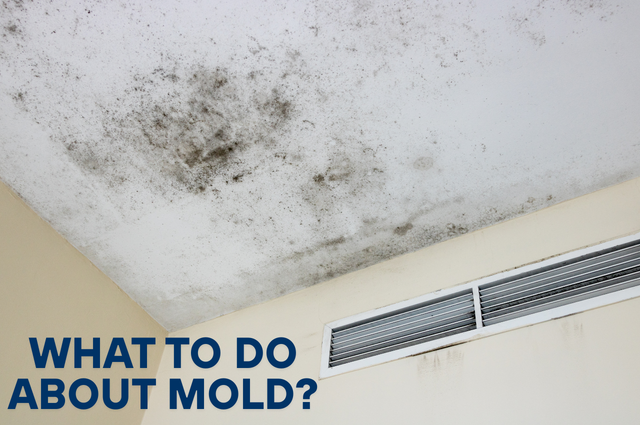
- Discoloration on walls, ceilings, or around vents
- Bubbling paint or peeling drywall
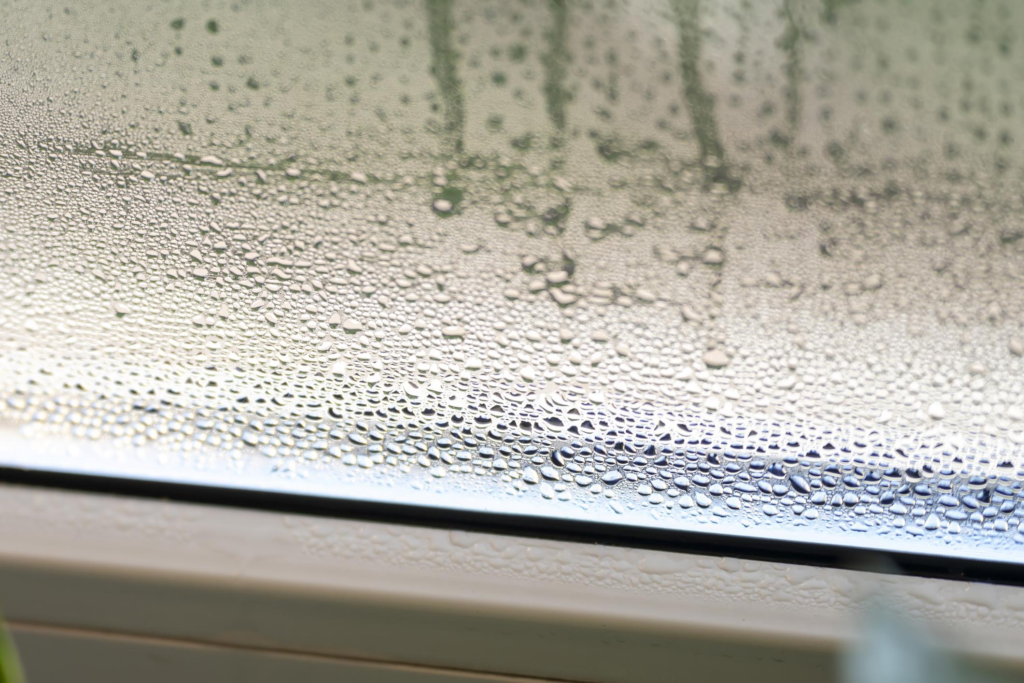
- Persistent condensation on windows or AC vents
- Complaints of dampness or discomfort indoors
These signs usually point to moisture issues that deserve attention before mold spreads further.
Hidden Mold Issues in Rental Properties
Some of the most serious mold problems in Indian Harbour Beach rentals occur out of sight. Mold can grow behind walls after plumbing leaks, under flooring following minor flooding, or inside HVAC systems where condensation is common.
In coastal areas, moisture can also enter through roof decking, attic spaces, or exterior wall assemblies without obvious leaks. Over time, this hidden moisture supports mold growth that may only become visible after significant damage occurs.
Regular inspections are especially important for rental properties because tenants may not access or inspect these areas themselves.
Comfort and Indoor Air Quality Concerns
Mold in rental properties often leads to tenant complaints about odors, humidity, or indoor comfort. When mold affects HVAC systems or wall cavities, spores and damp air can circulate throughout the unit.
Some occupants may notice irritation, congestion, or discomfort that seems worse indoors. While symptoms alone don’t confirm mold, they often indicate underlying moisture problems that need investigation.
Addressing these issues early helps maintain livable conditions and reduces repeated complaints.
Common Myths About Mold in Rentals
One common misconception is that mold complaints are always tenant-related or exaggerated. In reality, coastal Florida conditions make mold a legitimate concern even in well-maintained properties.
Another myth is that surface cleaning resolves the issue. Cleaning visible mold without correcting moisture sources often leads to repeated growth and ongoing complaints.
Long-term solutions always focus on moisture control, ventilation, and proper drying—not just appearance.
Why Ignoring Mold in Rental Properties Makes Things Worse
Delaying action when mold signs appear can allow moisture problems to worsen. Mold may spread to additional rooms, HVAC systems, or neighboring units in multi-family properties.
Over time, materials like drywall, insulation, and wood framing can deteriorate. What starts as a small moisture issue can turn into a more complex remediation project if left unaddressed.
Early inspection and correction are usually simpler and less disruptive than delayed response.
Professional Mold Inspection for Rental Properties
A professional mold inspection helps identify moisture sources, affected areas, and conditions that allow mold to grow. Inspectors evaluate visible areas and use moisture detection tools to locate hidden dampness.
When appropriate, air or surface sampling may be used to better understand indoor conditions. The primary goal is always determining why moisture is present and how to prevent recurrence.
Local professionals such as Brevard Mold Inspections & Removal understand Indian Harbour Beach construction styles, coastal exposure, and common rental property issues throughout Brevard County.
Proper Mold Removal and Remediation in Rentals
Effective mold remediation starts by correcting moisture problems. This may include repairing leaks, improving ventilation, servicing HVAC systems, or addressing drainage issues.
Containment is used to prevent spores from spreading during removal. Affected materials may be cleaned or replaced depending on severity. Once remediation is complete, steps are taken to reduce future moisture buildup.
The focus is always on restoring dry, stable indoor conditions rather than quick cosmetic fixes.
Preventing Mold in Indian Harbour Beach Rental Properties
Preventive maintenance is one of the most effective ways to reduce mold risk in rentals. Property owners can help by:
- Scheduling routine HVAC inspections and maintenance
- Ensuring exhaust fans work properly in bathrooms and kitchens
- Inspecting roofs, attics, and plumbing regularly
- Addressing leaks immediately
- Monitoring humidity levels between tenants
- Performing post-storm inspections
Clear communication with tenants about reporting leaks or moisture concerns early also plays an important role.
Why Local Brevard County Experience Matters
Mold behavior in coastal Florida is different from other regions. Indian Harbour Beach properties face higher humidity, salt air exposure, and storm-related moisture risks.
Local experience helps ensure inspections and solutions account for these conditions. What works inland in areas like Viera or Rockledge may not be sufficient for coastal rentals.
Professionals familiar with Brevard County understand how to tailor prevention and remediation strategies to local realities.
A Calm, Practical Approach for Property Owners
Mold concerns in rental properties don’t need to lead to conflict or uncertainty. With informed inspections, moisture-focused solutions, and consistent maintenance, most mold issues can be managed effectively.
Understanding how mold develops in Indian Harbour Beach rentals allows property owners to respond calmly, protect their investment, and maintain comfortable living conditions for tenants.
Images for This Article