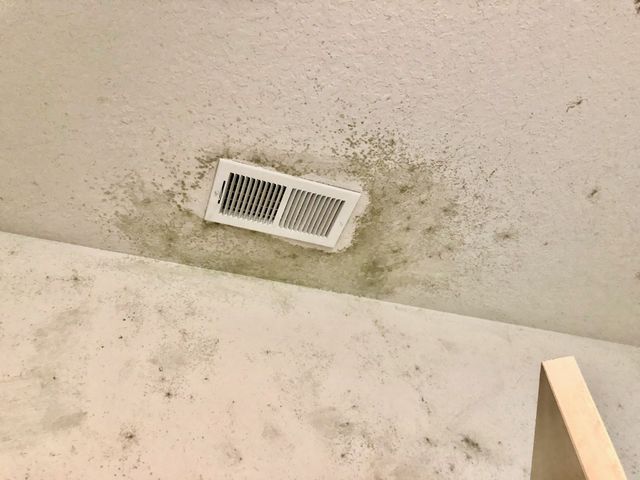
Mold in Rental Properties in Indian Harbour Beach: What Homeowners in Brevard County Should Know
Owning a rental property in Indian Harbour Beach can be a smart investment, but coastal living comes with one persistent challenge: moisture. High humidity, salt air, frequent storms, and constant air-conditioning make mold issues more common in rental properties than many owners expect. In Brevard County, mold problems in rentals are rarely about poor upkeep—they’re usually about how moisture behaves in coastal homes and how easily issues can go unnoticed between tenants.
Understanding how mold develops in rental properties, where it’s most likely to hide, and how to manage it responsibly helps property owners protect their investment, reduce tenant complaints, and avoid repeat problems.
Why Rental Properties in Indian Harbour Beach Are Especially Vulnerable
Indian Harbour Beach sits directly along the Atlantic, which means homes are exposed to humidity and moisture year-round. Rental properties face added risk because occupancy changes, homes may sit vacant, and small moisture issues aren’t always reported immediately.
Local factors that increase mold risk include:
- Constant coastal humidity
- Salt air degrading seals, windows, and caulking
- Wind-driven rain during storms
- Long AC run times creating condensation
- Homes closed up during vacancies
- Slab foundations trapping moisture beneath flooring
Even well-maintained rentals can develop mold when moisture doesn’t fully dry.
How Mold Commonly Starts in Rental Homes
Most mold problems in rental properties don’t begin with flooding. They usually start with small, ongoing moisture issues that quietly persist.
Common triggers include:
- Slow plumbing leaks under sinks or behind walls
- AC condensate drain line clogs
- Bathroom moisture without proper ventilation
- Roof leaks after storms
- Moisture intrusion around windows and sliding doors
Because these issues may not be obvious during routine walkthroughs, mold can develop unnoticed over time.
High-Risk Areas for Mold in Rental Properties
Certain areas in rental homes are more prone to mold due to repeated moisture exposure and limited airflow.
Common problem areas include:
- Bathrooms, especially ceilings and grout
- Kitchens and cabinet interiors
- HVAC air handlers and ductwork
- Attics after roof leaks
- Beneath laminate or vinyl flooring
- Closets on exterior walls
These areas often stay damp longer than expected, especially when homes are closed and air-conditioned.
Tenant Complaints That Often Signal Mold Issues
In Indian Harbour Beach rentals, mold concerns often come to light through tenant feedback rather than visual discovery.
Common tenant complaints include:
- Musty or damp odors
- Odors stronger when the AC runs
- Condensation around vents or windows
- Mold that returns after cleaning
- Indoor humidity that feels hard to control
These complaints don’t always confirm mold, but they strongly suggest moisture conditions that should be investigated.
Why Mold in Rentals Is Often Hidden
Rental properties frequently have hidden mold, especially when visible areas are cleaned without addressing moisture.
Hidden mold is often found:
- Behind drywall near plumbing lines
- Under flooring on slab foundations
- Inside wall cavities on exterior walls
- Around HVAC components
- Inside attics and insulation
Hidden growth can continue spreading even when the unit appears clean during inspections.
The Role of HVAC Systems in Rental Mold Problems
HVAC systems are a major factor in rental mold issues in Indian Harbour Beach. Systems often run continuously and may not receive consistent maintenance between tenants.
Common HVAC-related contributors include:
- Clogged condensate drain lines
- Standing water in drain pans
- Dirty evaporator coils
- Insulated ductwork trapping moisture
Because HVAC systems circulate air throughout the unit, mold in these areas can affect the entire rental.
Why Cosmetic or DIY Fixes Create Repeat Problems
Some property owners rely on surface cleaning, repainting, or caulking to address mold complaints. While these steps may improve appearance temporarily, they rarely solve the underlying issue.
Quick fixes often fail because:
- Moisture sources remain uncorrected
- Hidden mold is untouched
- High indoor humidity persists
- Mold returns quickly, leading to repeat complaints
In coastal rentals, unresolved moisture almost always leads to recurring mold issues.
The Importance of Mold Inspections for Rental Properties
A professional mold inspection helps owners understand what’s actually happening, rather than guessing.
A rental-focused inspection typically includes:
- Visual assessment of reported areas
- Moisture detection in walls, floors, and ceilings
- Inspection of HVAC systems and ventilation
- Attic and structural checks
- Identification of moisture sources
This information helps landlords address root causes instead of reacting to symptoms.
Brevard Mold Inspections & Removal works with rental property owners in Indian Harbour Beach to provide clear, factual evaluations—without exaggeration or pressure.
Mold Remediation in Rental Homes: What It Involves
When mold is confirmed, remediation focuses on removal and prevention, not just cleaning.
Proper remediation may include:
- Containment to prevent spore spread
- Removal of contaminated porous materials
- Correcting moisture sources
- Cleaning remaining surfaces appropriately
- Thorough drying and humidity control
Effective remediation reduces the risk of repeat tenant complaints and long-term property damage.
Mold During Vacancies and Turnovers
Mold problems often develop during vacancy periods when rentals are closed and airflow is minimal.
Common vacancy-related issues include:
- AC systems turned off or set too high
- No ventilation during humid weather
- Moisture buildup in bathrooms and kitchens
Maintaining humidity control during vacancies is critical in Indian Harbour Beach rentals.
Preventing Mold in Indian Harbour Beach Rentals
Prevention is one of the most effective ways to protect rental properties.
Helpful prevention strategies include:
- Regular HVAC maintenance and drain line cleaning
- Ensuring bathroom exhaust fans function properly
- Monitoring indoor humidity levels
- Inspecting units after storms
- Addressing leaks immediately
- Providing tenants with basic ventilation guidance
Consistency is more effective than occasional large repairs.
Why Local Coastal Experience Matters
Mold in rental properties behaves differently in coastal areas than inland. Indian Harbour Beach rentals face challenges tied to salt air, storms, and constant humidity.
Local professionals understand:
- How coastal moisture enters rental units
- Where mold commonly hides in beachside properties
- How HVAC systems behave in humid environments
- How vacancy periods increase mold risk
Local experience leads to more accurate assessments and longer-lasting solutions.
A Calm, Practical Takeaway for Property Owners
Mold in rental properties is common in Indian Harbour Beach—but it’s manageable with the right approach. Most issues trace back to moisture that wasn’t fully controlled, not tenant behavior or poor maintenance.
If your rental property has recurring mold complaints, musty odors, or a history of moisture issues, a professional inspection can provide clarity. Addressing moisture early helps protect your investment, maintain tenant satisfaction, and prevent ongoing mold problems in Brevard County’s coastal environment.